

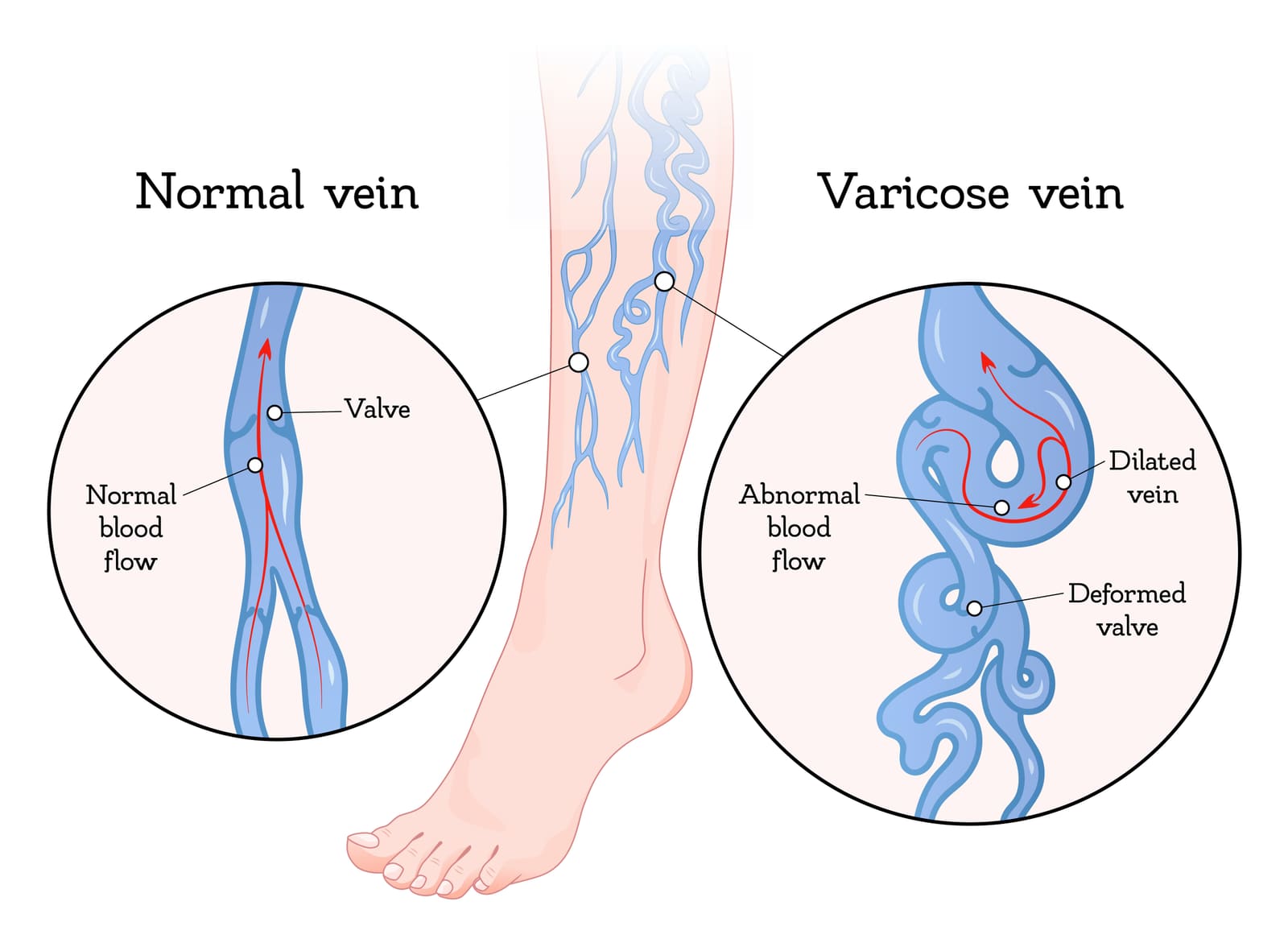
Unsightly varicose veins do not usually pose a serious health hazard, but they make people self-conscious about their appearance. People with gnarly, bulging varicose veins often hesitate to wear shorts or skirts. Fortunately, minimally invasive surgery can eradicate most varicose veins.
While varicose veins appear most often on the legs, they may affect other parts of the body, especially the feet and thighs.
Types of Varicose Veins
Different types of veins may become varicose. These include:
- Saphenous varicose veins -The leg’s saphenous veins swell to a considerable size and bulge outward, resulting in the classic ropey look. Sometimes, saphenous varicose veins are colorless. However, the protrusion makes them stand out.
- Reticular varicose veins – These mesh-like varicose veins spread out over the skin. They are less likely to bulge than saphenous varicose veins, but are thicker than normal and are red, purple, or green. like
- Spider veins –These small, red, blue, or purplish veins may appear anywhere on the body. They are thin and do not tend to bulge.
Varicose Vein Symptoms
While the most obvious symptom of varicose veins is their enlarged appearance, there are usually warning signs before this stage. Suspect incipient varicose veins if experiencing swelling or leg discoloration. Other symptoms include:
- Leg cramps
- Itchy ankles
- Leg discomfort
- Feeling of heaviness in the legs
If you experience varicose vein symptoms, visit a vein specialist.
Risk Factors
Varicose veins most often occur in older people. There is a strong genetic component, so if varicose veins run in your family, you are more likely to develop them.
Varicose veins are more common in women than men, and the first varicose veins may accompany pregnancy. Other risk factors include:
- Obesity
- A job requiring lots of standing or sitting
- Leg trauma
- History of blood clots in the leg.
Varicose Vein Complications
The development of leg ulcers is often related to varicose veins. Leaky valves in the veins allow blood pooling in the legs. Swelling and pain results. As skin damage continues, ulceration occurs. It can take months, if not longer, for leg ulcers to heal.
Blood clots are a major threat with varicose veins.
Varicose Vein Prevention
When caught early, varicose veins are preventable. Visit your doctor for an examination and treatment plan. Recommendations may include lifestyle changes such as diet and exercise and wearing compression stockings.
Varicose Vein Treatment
Patients have several options when it comes to treating and removing varicose veins. These include:
- Endovenous ablation – The use of lasers or radiofrequency to close varicose veins. The laser or radiofrequency application heats the vein, resulting in closure. There is no scarring with endovenous ablation. This is an outpatient procedure with the patient going home afterward.
- Injection sclerotherapy – The injection of a solution into a vein, causing collapse. A salt solution is the preferred injectable substance, and it results in vein irritation. This is also an outpatient procedure.
- Surgical ligation – Commonly called vein stripping, this procedure is usually performed in a hospital with the patient under general anesthesia. Vein stripping surgically removes the vein.
Sources
Información general, no consejo médico
Este artículo no puede tener en cuenta tu historial de salud ni tu tratamiento actual. Habla con un profesional sanitario cualificado antes de cambiar nada de tu cuidado.
Lee nuestro aviso médico →
En esta página
Types of Varicose Veins
Varicose Vein Symptoms
Risk Factors
Varicose Vein Complications
Varicose Vein Prevention
Varicose Vein Treatment
Sources
Pon en práctica lo que lees
Controla tus medicamentos, consulta un síntoma y habla con personas que viven con la misma enfermedad, todo en Healthread.
Descargar la app
Sigue leyendo
Beauty and Anti-Aging
Gastric Balloon for Weight Loss
The gastric balloon weight loss procedure is a new FDA-approved minimally invasive bariatric procedure for treating obesity. It is a temporary procedure that involves placing a saline-filled silicone balloon in the…
19 de junio de 2025 · 3 min de lectura
Beauty and Anti-Aging
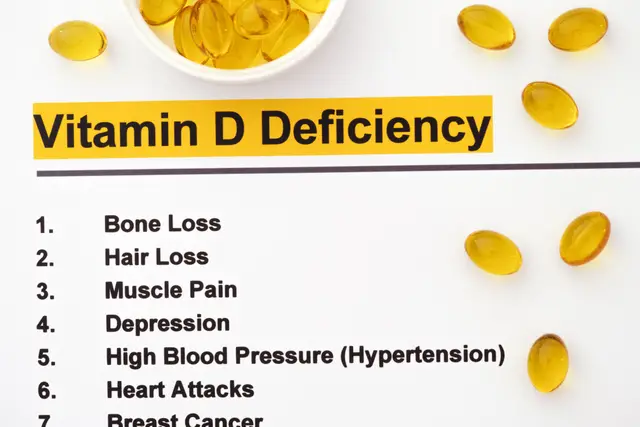
Vitamin D Deficiency
Also known as the sunshine vitamin, vitamin D is an essential nutrient that is naturally absorbed by the skin through exposure to sunlight. It can also be obtained from dietary sources and supplements.
30 de diciembre de 2024 · 3 min de lectura
Beauty and Anti-Aging
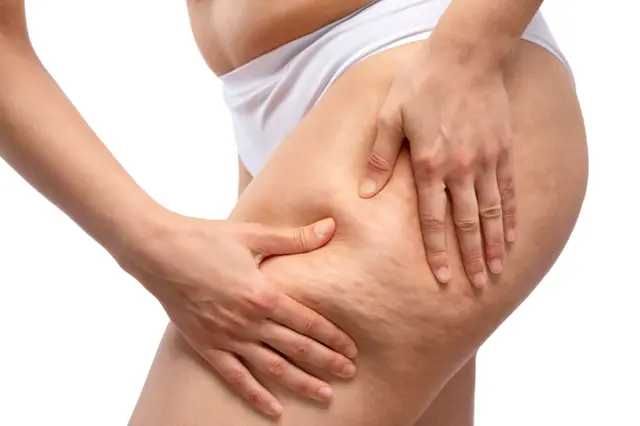
Cellulite
Cellulite appears with an orange peel or cottage cheese-like texture with a dimpled or lumpy skin surface. Mild cellulite is visible when you pinch the area with cellulite, like the thighs. Severe cellulite can make the…
13 de agosto de 2024 · 3 min de lectura


© 2026 Healthread
English · Español
Healthread no ofrece asesoramiento médico, diagnóstico ni tratamiento. Consulta siempre a un profesional sanitario cualificado sobre tu atención.