

Walking Pneumonia vs. Pneumonia
31 de enero de 2024
3 min de lectura
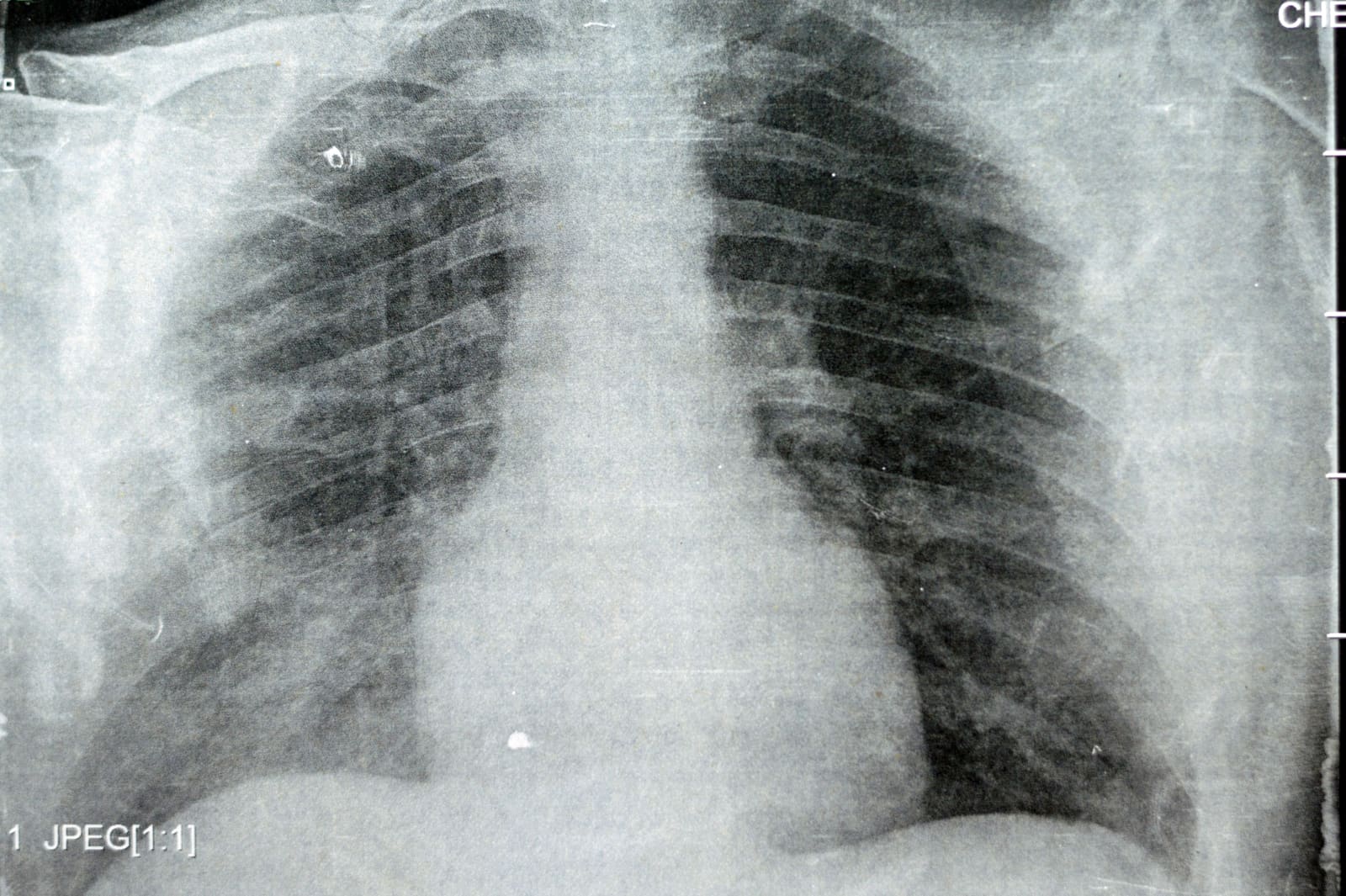
The terms “walking pneumonia” and “pneumonia” are often used interchangeably, even though they have certain differences.
Walking pneumonia is a milder case of pneumonia with symptoms that do not require hospitalization. Also known as atypical pneumonia, walking pneumonia is caused by bacteria, viruses, or mold and can take longer to recover than regular pneumonia.
In contrast, regular pneumonia is a more severe form of lung infection characterized by high fever, cough, and shortness of breath.
While people with severe pneumonia need several days of bed rest and even hospitalization, those with walking pneumonia may simply have symptoms of cold or viral illness.
What are their symptoms?
The symptoms of walking pneumonia are less severe than those of regular pneumonia.
Some of the symptoms of walking pneumonia are:
- Mild fever below 110℉
- Dry cough that lasts more than a week
- Chest pain
- Chills
- Labored breathing
- Headache
- Sore throat
- Loss of appetite
Symptoms of severe pneumonia are:
- High fever (110 to 105)℉
- Phlegm or mucus-producing coughs
- Headache
- Chills
- Fatigue
- Sore throat
- Shortness of breath
- Loss of appetite
- Chest pain with prolonged cough
What causes them?
Both walking pneumonia and severe pneumonia are respiratory tract infections, even though they are caused by different germs.
Walking pneumonia
Walking pneumonia is commonly caused by bacteria like:
- Mycoplasma pneumoniae
- Legionella pneumoniae, a bacteria that causes a severe form of walking pneumonia called Legionnaire’s disease
- Chlamydophila pneumoniae
Pneumonia
Regular pneumonia is a severe lung infection caused by viruses, bacteria, or fungi. While the most common pneumonia-causing bacteria is Streptococcus pneumoniae, the second most common is Haemophilus influenza.
Commonly, viral pneumonia is caused by the Influenza virus. In rare cases, fungal pneumonia occurs from the fungi in the soil or bird droppings.
Who gets them?
Both walking pneumonia and pneumonia can occur if you :
- Are 2 years of age or below
- Are 65 years of age and above
- Have a weakened immune system or take immunosuppressant drugs
- Have asthma
- Smoke or use tobacco products
- Live in highly polluted areas
- Use inhaled corticosteroids regularly
- Have chronic obstructive pulmonary disease (COPD)
- Have emphysema.
Diagnosis
Walking pneumonia
Your medical provider will diagnose walking pneumonia based on the symptoms. They may also perform blood and sputum tests or chest X-rays to identify the organism causing it.
Pneumonia
Pneumonia is diagnosed using more extensive tests like:
- A chest X-ray to determine how the disease affects the lungs
- Sputum and blood cultures to identify the organisms causing pneumonia
- Pulse oximetry monitoring that measures the fluctuating oxygen levels in a person’s blood
Treatment
Walking pneumonia
A doctor may recommend antibiotics for walking pneumonia, depending on the severity of the symptoms.
Home remedies include:
- Medications, like acetaminophen and ibuprofen for fever
- Antihistamines to reduce the symptoms
People with walking pneumonia must stay hydrated and take plenty of rest.
Pneumonia
The doctor may recommend additional treatments for pneumonia and severe forms of walking pneumonia, like:
- Oral or intravenous antibiotics
- Corticosteroids to reduce inflammation
- Oxygen to assist breathing
- Intravenous IV fluids
Severe pneumonia may require oxygen therapy as intubation or breathing therapy from a ventilator for supplemental oxygen.
Recovery time
While walking pneumonia has a longer recovery period of 6 weeks, most people take about one week to recover from regular pneumonia.
People with bacterial pneumonia recover after starting antibiotics, while those with viral pneumonia typically improve after one to three weeks of antiviral treatment.
Prevention
You can prevent walking pneumonia and pneumonia by:
- Getting flu vaccines and pneumonia vaccines to improve immunity
- Regular washing of hands with soap and water
- Covering nose and mouth while sneezing or coughing
- Avoiding sick people
- Avoiding smoking or drinking alcohol
Sources
- 1my.clevelandclinic.org/health/diseases/15744-pneumonia-atypical-walking-pneumonia
- 2healthline.com/health/walking-pneumonia-vs-pneumonia
- 3lung.org/blog/what-is-walking-pneumonia
- 4medicalnewstoday.com/articles/walking-pneumonia-vs-pneumonia
- 5mayoclinic.org/diseases-conditions/pneumonia/expert-answers/walking-pneumonia/faq-20058530
- 6verywellhealth.com/walking-pneumonia-vs-pneumonia-5219985
- 7medicinenet.com/pneumonia_vs_walking_pneumonia/views.htm
- 8pennmedicine.org/updates/blogs/health-and-wellness/2018/january/pneumonia
Información general, no consejo médico
Este artículo no puede tener en cuenta tu historial de salud ni tu tratamiento actual. Habla con un profesional sanitario cualificado antes de cambiar nada de tu cuidado.
Lee nuestro aviso médico →
En esta página
What are their symptoms?
What causes them?
Walking pneumonia
Pneumonia
Who gets them?
Diagnosis
Walking pneumonia
Pneumonia
Treatment
Walking pneumonia
Pneumonia
Recovery time
Prevention
Sources
Pon en práctica lo que lees
Controla tus medicamentos, consulta un síntoma y habla con personas que viven con la misma enfermedad, todo en Healthread.
Descargar la app
Sigue leyendo

Beauty and Anti-Aging
Gastric Balloon for Weight Loss
The gastric balloon weight loss procedure is a new FDA-approved minimally invasive bariatric procedure for treating obesity. It is a temporary procedure that involves placing a saline-filled silicone balloon in the…
19 de junio de 2025 · 3 min de lectura
Beauty and Anti-Aging
Vitamin D Deficiency
Also known as the sunshine vitamin, vitamin D is an essential nutrient that is naturally absorbed by the skin through exposure to sunlight. It can also be obtained from dietary sources and supplements.
30 de diciembre de 2024 · 3 min de lectura
Beauty and Anti-Aging
Cellulite
Cellulite appears with an orange peel or cottage cheese-like texture with a dimpled or lumpy skin surface. Mild cellulite is visible when you pinch the area with cellulite, like the thighs. Severe cellulite can make the…
13 de agosto de 2024 · 3 min de lectura


© 2026 Healthread
English · Español
Healthread no ofrece asesoramiento médico, diagnóstico ni tratamiento. Consulta siempre a un profesional sanitario cualificado sobre tu atención.