

Watch for Hidden Dental Infections-keep your teeth healthy
25 de julio de 2020
3 min de lectura
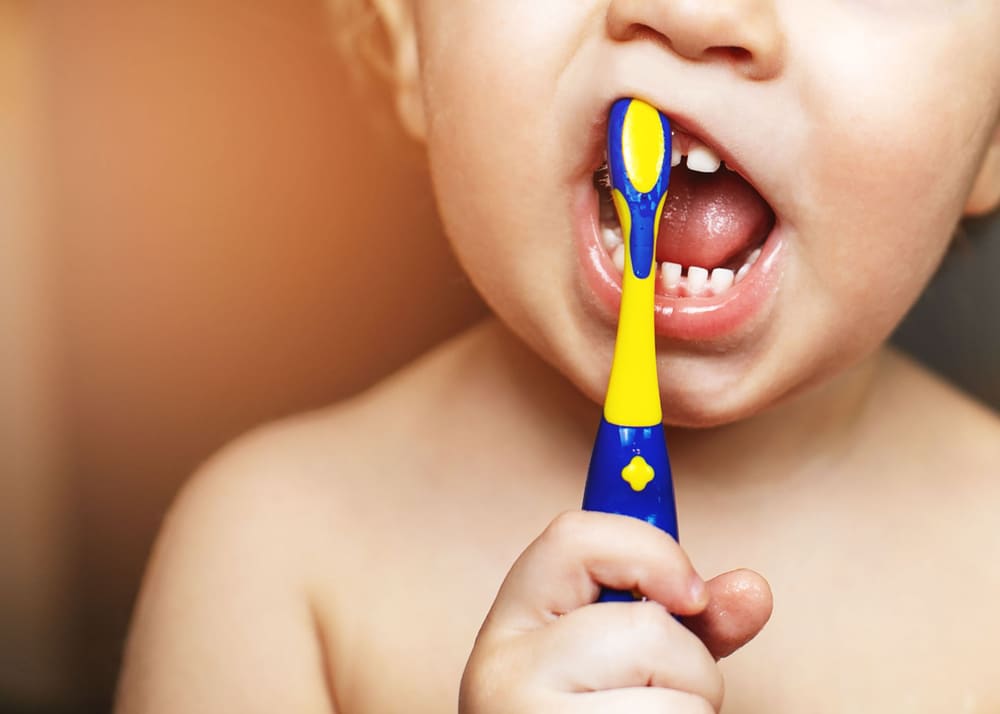
Did you know that bacteria from a dental infection could not only lead to bone and tooth loss, but also other health problems? It can. A 2016 study conducted by the University of Helsinki in Finland found that people with hidden dental infections in the roots of their teeth were 2.7 times more likely to have coronary artery disease than people with healthy teeth. For several decades, medical researchers have also documented the connection between periodontitis (gum disease) and heart disease. According to the Harvard Heart Letter, research is still ongoing as to exactly how and why gum disease is associated with heart disease, but people with gum disease have two to three times the risk of heart attacks, strokes, and other cardiovascular illness.
What are hidden dental infections?
If you have a toothache, you know you have a dental infection. But it's possible to have a serious dental infection with no symptoms. The Harvard Health Letter reports that one in five people over age 65 have untreated tooth decay.
One of the most common forms of hidden tooth decay involves the roots of our teeth. Bacteria can find their way into tooth roots and form an abscess (a pocket of infected pus). Although this sounds as though it would be painful and obvious, many times, it isn't. Over time, the infection can travel from tooth root to tooth root, and also infect the jaw.
What is gingivitis?
Tender, swollen, bleeding gums are a sign you may have gingivitis. Gingivitis is the first state of periodontal (gum) disease. Plaque, consisting of deposits of food and bacteria, can build up around your teeth and lead to gum irritation. If gingivitis goes untreated, it can grow worse, infecting your gums, and extending into the bone.
Bacteria from periodontal disease can get into your bloodstream, infecting your heart valves and causing dangerous and even potentially deadly complications.
What are other risks of hidden dental infections?
The exact connection is still being researched, but people with dental infections are more likely than others to have high blood pressure, diabetes, osteoporosis, rheumatoid arthritis (RA), pneumonia, and Alzheimer's disease.
Who is most at-risk?
As we age, we naturally experience more problems with our teeth. Our teeth also become naturally less sensitive as they age, so you may not feel a tooth infection the way you would have when you were younger. Our jaws, gums, and teeth also change as we age. Our gums naturally recede and expose more of the tooth which could have potential for infection.
If you have chronic health conditions like diabetes, or are taking medications which dry out your mouth, you are at a higher risk of dental infections. Dry mouth can directly lead to dental infections in as little as three months.
How can you keep your teeth healthy?
Good oral hygiene is important throughout our lives. Brush your teeth at least twice daily, and floss at least once a day. Make sure you're dislodging any bits of food and other debris.
Use fluoridated toothpaste and keep well-hydrated to avoid problems related to dry mouth. Our natural saliva helps to protect against gum disease and tooth decay, so if you're missing it, try chewing sugar-free gum or sucking sugar-free candies. Taking regular sips of water throughout the day can also relieve dry mouth. Caffeine and tobacco are both off-limits if you've got dry mouth. Each of them dries the mouth more and contributes to tooth decay and infections.
Also, take advantage of regular dental care. Depending on your oral health and other health needs, you should receive dental checkups at least twice a year, up to four times a year. With dental infections associated with heart disease, diabetes, arthritis, and many other serious health conditions, keeping your teeth healthy isn't just important for a healthy smile, it supports your overall health and well-being.
Sources
- 1health.harvard.edu/staying-healthy/hidden-dental-dangers-that-may-threaten-your-whole-body
- 2wmhs.com/hidden-tooth-infections-increase-heart-disease-risk-almost-three-times/#:~:text=According%20to%20a%202016%20study,experience%20pain%20or%20other%20symptoms
- 3sciencedaily.com/releases/2016/08/160802104159.htm
Información general, no consejo médico
Este artículo no puede tener en cuenta tu historial de salud ni tu tratamiento actual. Habla con un profesional sanitario cualificado antes de cambiar nada de tu cuidado.
Lee nuestro aviso médico →
En esta página
What are hidden dental infections?
What is gingivitis?
What are other risks of hidden dental infections?
Who is most at-risk?
How can you keep your teeth healthy?
Sources
Pon en práctica lo que lees
Controla tus medicamentos, consulta un síntoma y habla con personas que viven con la misma enfermedad, todo en Healthread.
Descargar la app
Sigue leyendo

Beauty and Anti-Aging
Gastric Balloon for Weight Loss
The gastric balloon weight loss procedure is a new FDA-approved minimally invasive bariatric procedure for treating obesity. It is a temporary procedure that involves placing a saline-filled silicone balloon in the…
19 de junio de 2025 · 3 min de lectura
Beauty and Anti-Aging
Vitamin D Deficiency
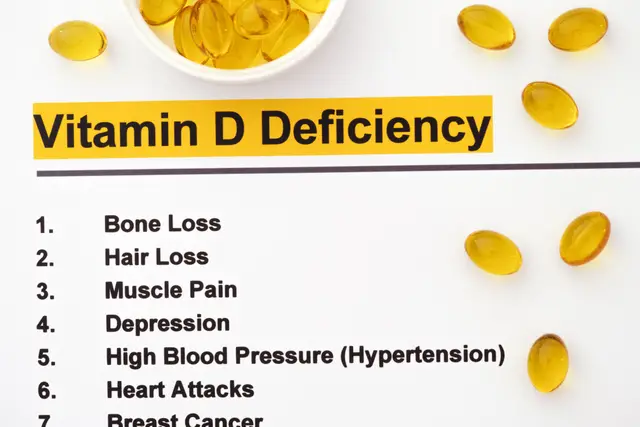
Also known as the sunshine vitamin, vitamin D is an essential nutrient that is naturally absorbed by the skin through exposure to sunlight. It can also be obtained from dietary sources and supplements.
30 de diciembre de 2024 · 3 min de lectura

Cancer-Updates
Gynecologic Cancer
Gynecologic cancer is a term used to describe a group of cancers that affect the female reproductive system. There are five types of gynecologic cancers named after the body part where they start.
5 de noviembre de 2024 · 3 min de lectura


© 2026 Healthread
English · Español
Healthread no ofrece asesoramiento médico, diagnóstico ni tratamiento. Consulta siempre a un profesional sanitario cualificado sobre tu atención.