

What are Neuroprotective Diets?
16 de febrero de 2021
3 min de lectura
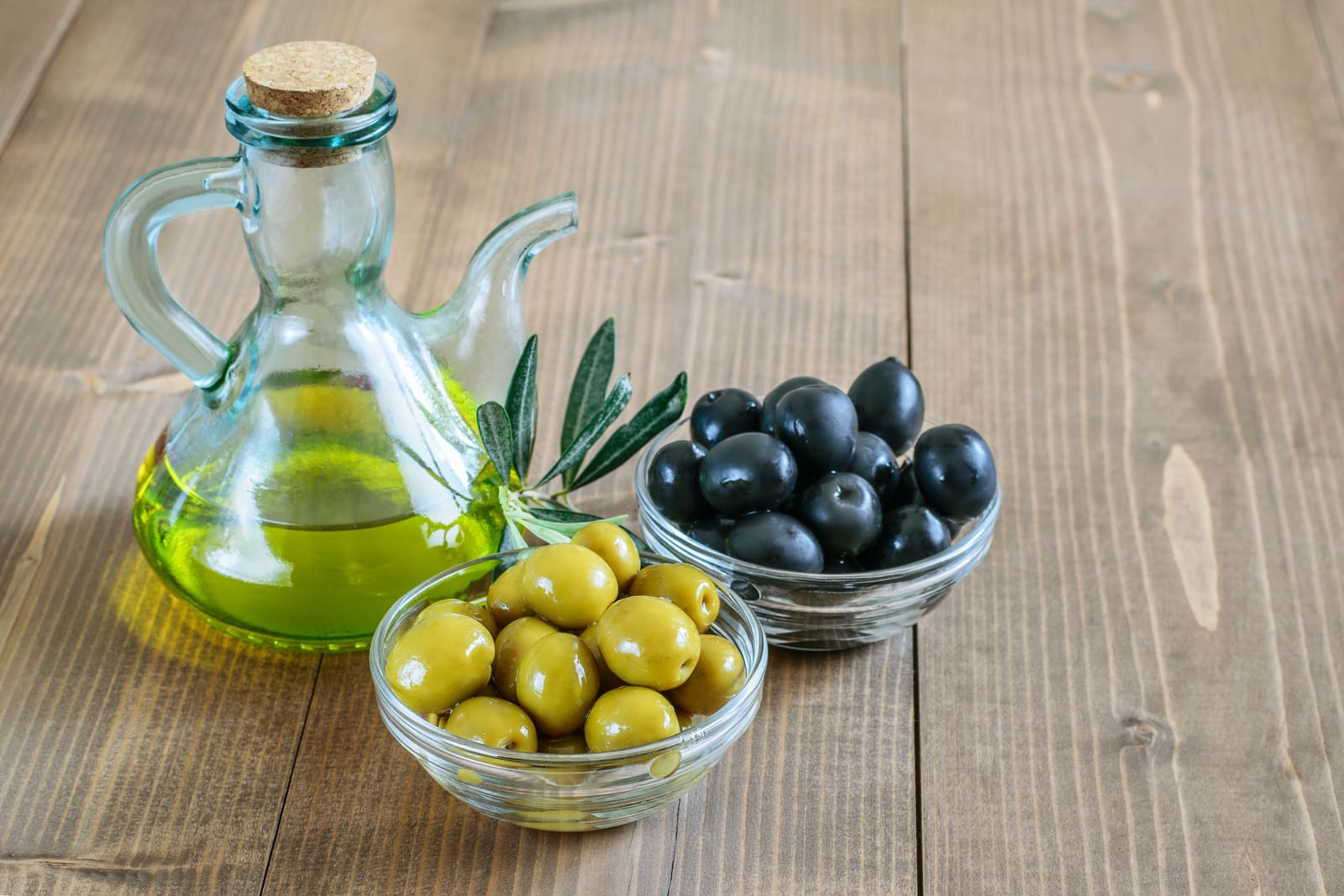
Consuming certain foods while staying away from others, was found to slow down the aging of a brain by 7.5 years and reduce the likelihood of developing Alzheimer's disease. Neuroprotective diets, like the Mediterranean diet, the MIND diet, and the DASH diet, aren't just the latest in the slew of diets either. They have decades of research backing them up on their impact on brain health.
What Is Neuroprotection?
Neuroprotection involves strategies and mechanisms that focus on protecting the nervous system from damage and injury, particularly in individuals who develop a health condition or sustain an injury with accompanying neurological effects.
Through neuroprotection research, scientists have been and still are searching for various ways to protect the body following acute events, like nervous system injury or stroke, and helping individuals with conditions that impact the nervous system, such as Parkinson's disease, Alzheimer's disease, and multiple sclerosis (MS).
What Are Neuroprotective Diets?
Neuroprotective diets, such as the Mediterranean diet, are shown to provide anti-inflammatory and vascular benefits and might also be neuroprotective. They're rich in:
- Vegetables
- Fruits
- Nuts
- Wholegrains
- Fish
- Olive oil
A study published in the Journal of the American Geriatrics Society with a large population of older adults showed that sticking with neuroprotective diets, like the MIND diet, was independently linked with lower risk of cognitive impairment and better cognitive function. Clinical trials are required to explain dietary patterns' role in cognitive aging.
What Are the Benefits of a Neuroprotective Diet?
Individuals who adhere to a neuroprotective diet stand to potentially see the following benefits:
- 1.Anti-inflammatory and neuroprotective benefits: As mentioned, the Mediterranean diet (Med Diet), was found to have anti-inflammatory and vascular benefits. It could also be neuroprotective.
- 2.Slower cognitive decline: Adhering to the Mediterranean diet is linked with a reduced risk of cognitive impairment, a slower rate of cognitive decline, and reduced risk of dementia, but there are conflicting findings.
- 3.Other health benefits: Plant foods that are eaten as part of a regular diet are not just a source of energy and nutrients, but might also offer health benefits that extend beyond basic nutritional functions due to their phytochemicals (dietary therapeutics).
What Foods Are Part of a Neuroprotective Diet?
The Mediterranean diet consists of:
- Fruits
- Vegetables
- Whole grains
- Yogurt
- Nuts
- Ricotta
- White meat
- Fish
- Legumes
Olive oil is another Mediterranean diet staple and researchers suggest using it as your main cooking oil instead of using margarine or butter.
Most neuroprotective diet expert recommends consuming meat sparingly to stick with brain-healthy eating. In an ideal MIND diet, for example, you would consume red meat less than four times a week. Lentils, beans, and soybeans help load you up with fiber and protein and are a great substitute for red meat. They'll load you up with B vitamins and keep you full. B vitamins are essential for brain health. You'll also consume fish once a week.
Latest Insights on Neuroprotective Diets
- In a large study of nationally representative older adults, higher consistent adherence to the MIND diet and Mediterranean diet was independently associated with reduced risk of cognitive impairment and better cognitive function.
- Stroke outcomes may be improved through the use of dietary supplementation adjunct therapy. Also, dietary supplementation as a pre-stroke treatment may promote neuroprotection by boosting neurogenesis and reducing inflammation.
Need Tips on Neuroprotective Diets?
The technology platform, Healthread, provides users with a way of connecting with others with similar health interests, like those searching for tips on neuroprotective diets, for instance. On Healthread, you read health articles, create posts, follow others with the same health issues and interests, share stories and experiences, chat in public groups, and more.
For people to truly know and understand their health problem, they must fill that leftover void where you can learn from others’ experiences and be able to share yours. This offers you much-needed insight and support that goes far beyond your family, friends, and doctor.
Sources
- 1medicalnewstoday.com/articles/53700
- 2intechopen.com/books/neuroprotection/introductory-chapter-concept-of-neuroprotection-a-new-perspective
- 3ncbi.nlm.nih.gov/pmc/articles/PMC5633651/
- 4ncbi.nlm.nih.gov/pmc/articles/PMC6263339/
- 5ncbi.nlm.nih.gov/pmc/articles/PMC5436354/
- 6medicalnewstoday.com/articles/53700
- 7deepblue.lib.umich.edu/bitstream/handle/2027.42/138278/jgs14922.pdf?sequence=1
- 8ncbi.nlm.nih.gov/pmc/articles/PMC3397535/
- 9multiplesystematrophy.org/about-msa/neuroprotective-diet-msa-patients/
- 10mayoclinic.org/healthy-lifestyle/nutrition-and-healthy-eating/in-depth/improve-brain-health-with-the-mind-diet/art-20454746
- 11ncbi.nlm.nih.gov/pmc/articles/PMC534917/
- 12pubmed.ncbi.nlm.nih.gov/11749009/
- 13jamanetwork.com/journals/jamaneurology/fullarticle/793992
Información general, no consejo médico
Este artículo no puede tener en cuenta tu historial de salud ni tu tratamiento actual. Habla con un profesional sanitario cualificado antes de cambiar nada de tu cuidado.
Lee nuestro aviso médico →
En esta página
What Is Neuroprotection?
What Are Neuroprotective Diets?
What Are the Benefits of a Neuroprotective Diet?
What Foods Are Part of a Neuroprotective Diet?
Latest Insights on Neuroprotective Diets
Need Tips on Neuroprotective Diets?
Sources
Pon en práctica lo que lees
Controla tus medicamentos, consulta un síntoma y habla con personas que viven con la misma enfermedad, todo en Healthread.
Descargar la app
Sigue leyendo
Beauty and Anti-Aging
Gastric Balloon for Weight Loss
The gastric balloon weight loss procedure is a new FDA-approved minimally invasive bariatric procedure for treating obesity. It is a temporary procedure that involves placing a saline-filled silicone balloon in the…
19 de junio de 2025 · 3 min de lectura
Beauty and Anti-Aging
Vitamin D Deficiency
Also known as the sunshine vitamin, vitamin D is an essential nutrient that is naturally absorbed by the skin through exposure to sunlight. It can also be obtained from dietary sources and supplements.
30 de diciembre de 2024 · 3 min de lectura
Beauty and Anti-Aging
Cellulite
Cellulite appears with an orange peel or cottage cheese-like texture with a dimpled or lumpy skin surface. Mild cellulite is visible when you pinch the area with cellulite, like the thighs. Severe cellulite can make the…
13 de agosto de 2024 · 3 min de lectura


© 2026 Healthread
English · Español
Healthread no ofrece asesoramiento médico, diagnóstico ni tratamiento. Consulta siempre a un profesional sanitario cualificado sobre tu atención.