

The developmental disability known as autism is a brain disorder manifesting itself by the time a child is 3. While there is no way to prevent autism spectrum or cure the condition, early treatment can make a big difference in patient outcomes.
According to the CDC, one out of every 54 children in the U.S. is somewhere on the autism spectrum. In the past, autism was divided into five distinct types. Currently, the disorder falls under the rubric of autism spectrum. While all of those diagnosed as falling on the autism spectrum share certain behaviors or characteristics, exactly how they are affected varies widely.
Autism is apparent by age 3, and is a lifelong condition. However, early intervention can improve symptoms over time. While autism is a disability, some people on the autism spectrum are quite gifted. Others face daily challenges and require extensive caregiving. There really is no “typical” person on the autism spectrum.
Autism Causes
There is no specifically known cause of autism. Genetics plays a role, as some youngsters on the autism spectrum have genetic disorders such as fragile X syndrome or Rett Syndrome. The former causes intellectual disability, while the latter also involves small head growth and the inability to use the hands properly. Rett Syndrome primarily affects females.
It is possible that environmental factors bear responsibility for some cases of autism. Researchers are exploring whether pregnancy complications, toxic exposure, medications, or viral infections are involved in autism spectrum disorder. There is some evidence that older fathers are more likely to sire children who are on the spectrum.
It is known that vaccines do not cause autism. A study published years ago linking autism and vaccines has been debunked.
Autism Risk Factors
Males are on the autism spectrum much more than females, with boys outnumbering girls at a ratio of 4 to 1. If you have a child diagnosed with autism, there is a greater likelihood that future children are also on the spectrum.
Family members of children with autism may display some of the minor signs of the disorder, such as poor communication skills or engaging in stereotypical behavior. Babies born preterm are at greater risk than those born at full-term.
Functional Levels
Many of the terms formerly referring to autism are no longer used. Those diagnosed with autism do receive a functional level determination, ranging from 1 to 3. The levels correlate with the level of support the patient will need.
- Level 1 – Support is necessary as these patients usually have communication issues and their behavior may prove less flexible and more rigid.
- Level 2 –These patients require “substantial” amounts of support. They may experience verbal problems or remain nonverbal. They do not enjoy social interactions and may have abnormal responses to such activities.
- Level 3 –These patients on the autism spectrum are the most impaired and require “very substantial” support.
No matter the level, it is critical that parents focus on their children as individuals, not as labels.
Autism Spectrum Symptoms
Parents may notice differences in their child’s behavior by their first birthday, and approximately 90 percent of parents realized their toddler had development delays by age 2.
Suspect that a child is on the autism spectrum if any of the following occur:
- Does not want to make eye contact
- By 14 months, no pointing at objects
- By 18 months, no “pretend” game playing
- Delayed speech
- Constant repetition of words or phrases
- Not responding to their name by 1 year of age
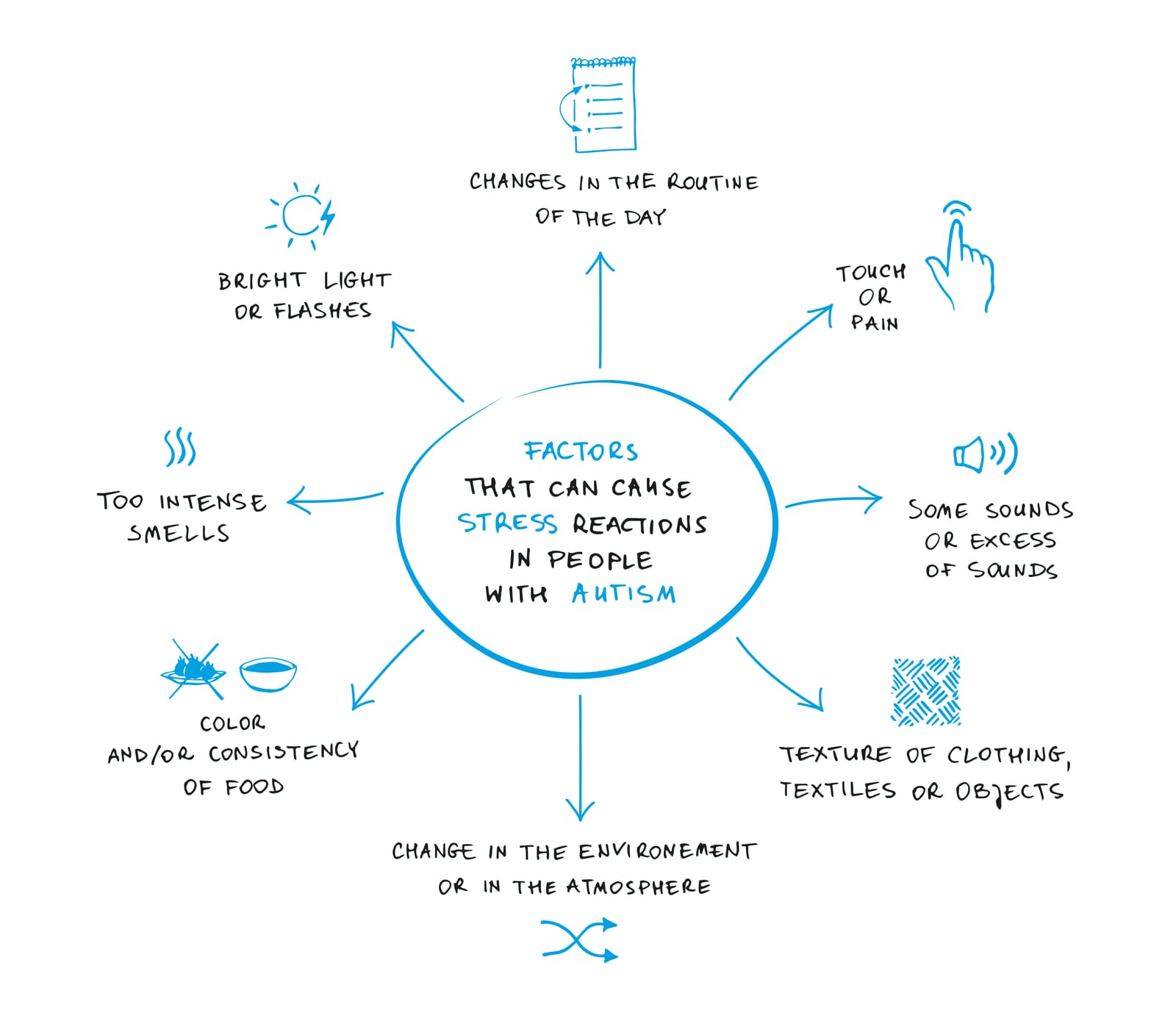
- Minor changes are extremely upsetting
- Hand flapping, body rocking or circle spinning
- Does not like physical contact
Older children may have obsessive interests. They may not recognize the concept of personal space. It is difficult for them to understand how other people feel, and they may not understand their own feelings. They must follow specific routines or become very upset. Odd or inappropriate facial expressions are common in those on the autism spectrum.
Autism Diagnosis
Screening for autism is a standard practice at 18 and 24-month well-child visits. Parents often sense something is different about their child and want a pediatrician’s advice. There is no test per se for an autism diagnosis, but the doctor will make a diagnosis based on the child’s behavior and how they are developing intellectually and emotionally.
While most people are diagnosed with autism as youngsters, some do not receive a proper diagnosis until they are teenagers or adults.
Autism Treatment
Treatment for autism spectrum disorder runs the gamut and is based on the individual patient. It may involve occupational and speech therapy, social skills training, and medication. The latter does not treat symptoms but may help parents manage some of the child’s issues, such as anxiety or hyperactivity.
While some children on the autism spectrum are in special education classes, others are able to attend regular classes.
Sources
- 1specialolympics.org/about/intellectual-disabilities/autism?gclid=Cj0KCQjwvIT5BRCqARIsAAwwD-QM_Fflo44JM-qLtI6sPyuehHpjHDrpqzLcRoaz16WCAJEeh0NFYcMaAmMyEALw_wcB
- 2nimh.nih.gov/health/topics/autism-spectrum-disorders-asd/index.shtml
- 3cdc.gov/ncbddd/autism/facts.html
- 4mayoclinic.org/diseases-conditions/autism-spectrum-disorder/symptoms-causes/syc-20352928
- 5psychiatry.org/patients-families/autism/what-is-autism-spectrum-disorder
- 6nationalautismassociation.org/?gclid=Cj0KCQjwvIT5BRCqARIsAAwwD-SqgQymFyj6R5NgwVQ5ThEqVfoQwNiahQAkIGwun6m3KaQ5N7PrSCQaAiMxEALw_wcB
Información general, no consejo médico
Este artículo no puede tener en cuenta tu historial de salud ni tu tratamiento actual. Habla con un profesional sanitario cualificado antes de cambiar nada de tu cuidado.
Lee nuestro aviso médico →
En esta página
Autism Causes
Autism Risk Factors
Functional Levels
Autism Spectrum Symptoms
Autism Diagnosis
Autism Treatment
Sources
Pon en práctica lo que lees
Controla tus medicamentos, consulta un síntoma y habla con personas que viven con la misma enfermedad, todo en Healthread.
Descargar la app
Sigue leyendo

Beauty and Anti-Aging
Gastric Balloon for Weight Loss
The gastric balloon weight loss procedure is a new FDA-approved minimally invasive bariatric procedure for treating obesity. It is a temporary procedure that involves placing a saline-filled silicone balloon in the…
19 de junio de 2025 · 3 min de lectura
Beauty and Anti-Aging
Vitamin D Deficiency
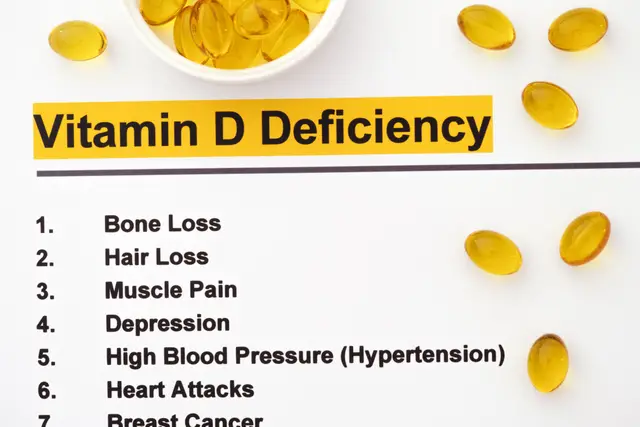
Also known as the sunshine vitamin, vitamin D is an essential nutrient that is naturally absorbed by the skin through exposure to sunlight. It can also be obtained from dietary sources and supplements.
30 de diciembre de 2024 · 3 min de lectura

Cancer-Updates
Gynecologic Cancer
Gynecologic cancer is a term used to describe a group of cancers that affect the female reproductive system. There are five types of gynecologic cancers named after the body part where they start.
5 de noviembre de 2024 · 3 min de lectura


© 2026 Healthread
English · Español
Healthread no ofrece asesoramiento médico, diagnóstico ni tratamiento. Consulta siempre a un profesional sanitario cualificado sobre tu atención.