

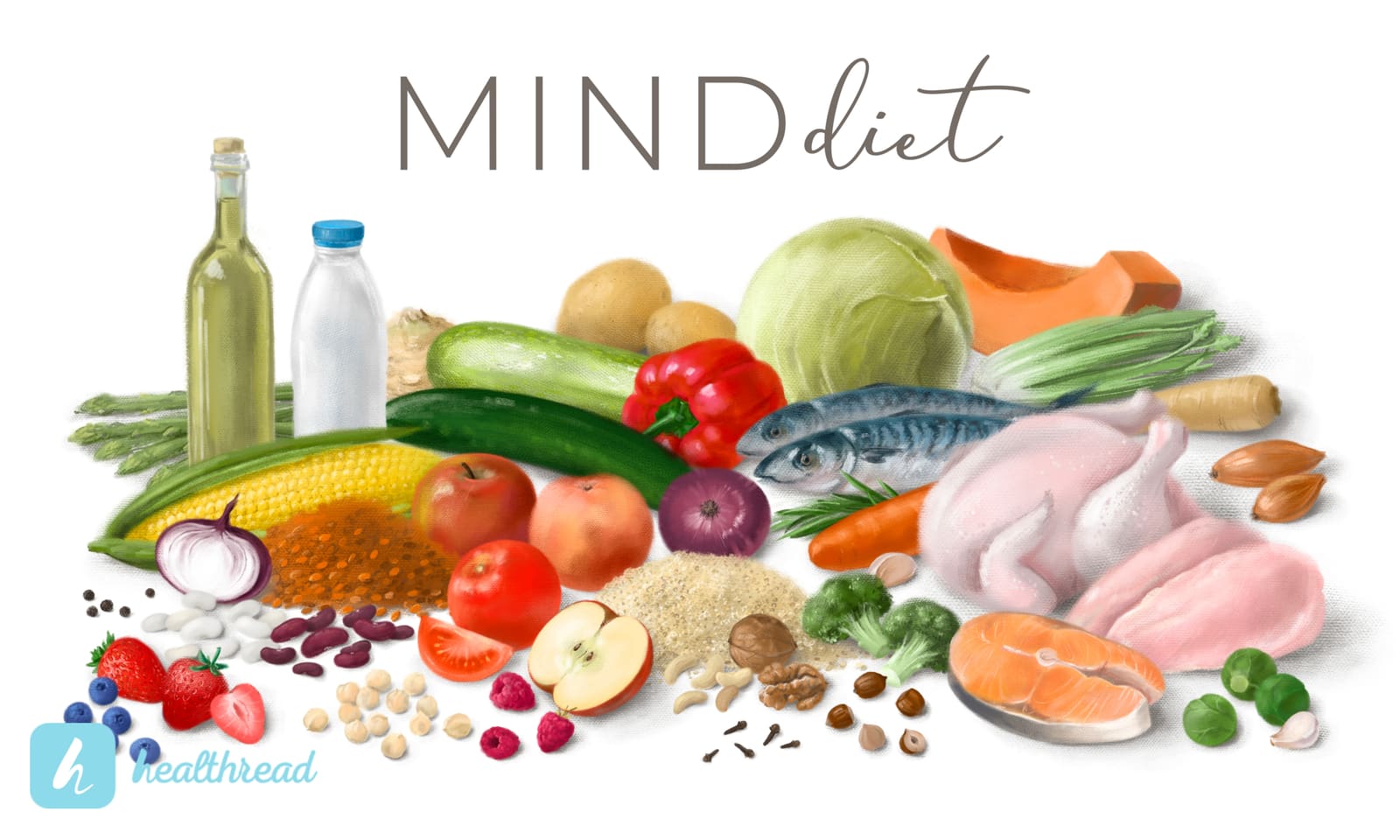
The MIND diet is a new diet developed by a nutritional epidemiologist at Rush University Medical Center, along with several colleagues. The diet stands for the Mediterranean-DASH Intervention for Neurodegenerative Delay (MIND). The diet, a hybrid between the Mediterranean diet and the Dietary Approaches to Stop Hypertension (DASH) diets, is believed to reduce the risks of developing Alzheimer’s disease by up to 53 percent among those who follow it rigorously.
While the MIND diet focuses on brain health and slowing cognitive decline, it offers other health benefits as well. The two diets used to create the MIND diet have been associated with numerous health benefits over the years, including:
- Reduced risks of hypertension
- Reduced risks of heart attacks
- Reduced risks of strokes
- Provides some protection against dementia
It was only among patients who followed both the Mediterranean diet and the DASH diet that the remarkable reductions in risks for Alzheimer’s disease were experienced. Fortunately, the MIND diet is easier to follow than the others while providing identifiable reductions in risks for Alzheimer’s disease.
What Does the MIND Diet Allow?
The mind diet is all about encouraging the consumption of healthy, brain-powering foods while discouraging the consumption of foods that promote inflammation that may be detrimental to brain health.
- Green leafy vegetables. At least one, one-cup serving per day.
- Other vegetables. At least one, half-cup serving per day.
- Nuts. Five one-ounce servings per week.
- Berries. At least five, half-cup servings per week.
- Beans/Legumes. At least three, half-cup servings per week.
- Whole grains. Three servings of three to five ounces daily.
- Fish. At least one serving of three to five ounces per week.
- Poultry. At least two servings of three to five ounces per week.
- Extra virgin olive oil (EVOO). Two tablespoons per day.
- Wine. A daily glass of wine is also encouraged.
The foods that are discouraged are just as important as those that are encouraged on the MIND diet, including those listed below.
- Red and processed meats. No more than three, three to five-ounce servings per week.
- Butter and margarine. Less than one teaspoon per day.
- Regular cheese. No more than two ounces per week.
- Pastries and sweets. No more than four treats per week.
- Fried foods and fast food. No more than one serving per week.
To reap the brain benefits the appropriately named MIND diet has to offer, it’s important for people to observe strict adherence to the tenants of the diet. Those that do follow the diet strictly have real odds of avoiding Alzheimer’s and its devastating effects. Even among those who follow the diet moderately, there is a noteworthy reduction of Alzheimer’s risk, 35 percent compared to the impressive 53 percent reduction for strict adherence.
Recent Insights Concerning the MIND Diet
The MIND diet itself is a fairly recent creation, only coming to prominence after the completion of the study, which was concluded in 2015. There hasn’t been much movement concerning the diet since then, though there have been books written to share insights and experiences.
A recent study found that adhering to a Mediterranean diet, like the MIND diet, May delay the onset of Parkinson’s disease up to more than 8 years for men and more than 17 years in women.
Alzheimer’s Foundations
The MIND diet came about due to research as to how to prevent Alzheimer’s disease through diet. These organizations can provide additional insights on prevention, disease management, Alzheimer’s disease progression, and more.
Alzheimer’s disease is a devastating disease that takes more than a single victim in its wake. Subscribe to Healthread today to connect with others going through Alzheimer’s disease, worried about preventing Alzheimer’s disease, or following the MIND diet as a preventative mechanism. You might be able to make friends, gain insights, and discover new and delicious recipes along the way.
Do You Follow the MIND Diet?
If you are following the MIND diet, share your strategies, successes, and failures with your fellow Healthread members. Share your meal plans and get ideas for new variations of meals to mix up your daily diet.
Sources
- 1jandonline.org/article/S2212-2672(15)01251-4/fulltext
- 2ncbi.nlm.nih.gov/pmc/articles/PMC4532650/
- 3rush.edu/news/new-mind-diet-may-significantly-protect-against-alzheimers-disease
- 4livescience.com/57132-mind-diet.html
- 5ncbi.nlm.nih.gov/pmc/articles/PMC7199507/
- 6health.usnews.com/best-diet/mind-diet
- 7mayoclinic.org/healthy-lifestyle/nutrition-and-healthy-eating/in-depth/improve-brain-health-with-the-mind-diet/art-20454746
- 8health.clevelandclinic.org/should-you-try-the-mind-diet-to-preserve-your-brains-health-after-a-stroke/
- 9movementdisorders.onlinelibrary.wiley.com/doi/10.1002/mds.28464
Información general, no consejo médico
Este artículo no puede tener en cuenta tu historial de salud ni tu tratamiento actual. Habla con un profesional sanitario cualificado antes de cambiar nada de tu cuidado.
Lee nuestro aviso médico →
En esta página
What Does the MIND Diet Allow?
Recent Insights Concerning the MIND Diet
Alzheimer’s Foundations
Do You Follow the MIND Diet?
Sources
Pon en práctica lo que lees
Controla tus medicamentos, consulta un síntoma y habla con personas que viven con la misma enfermedad, todo en Healthread.
Descargar la app
Sigue leyendo

Beauty and Anti-Aging
Gastric Balloon for Weight Loss
The gastric balloon weight loss procedure is a new FDA-approved minimally invasive bariatric procedure for treating obesity. It is a temporary procedure that involves placing a saline-filled silicone balloon in the…
19 de junio de 2025 · 3 min de lectura
Beauty and Anti-Aging
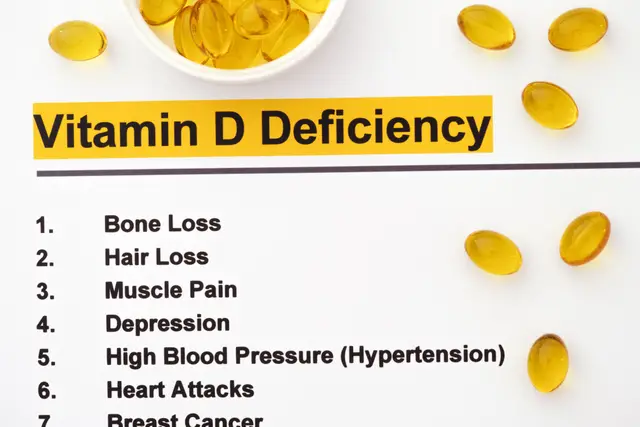
Vitamin D Deficiency
Also known as the sunshine vitamin, vitamin D is an essential nutrient that is naturally absorbed by the skin through exposure to sunlight. It can also be obtained from dietary sources and supplements.
30 de diciembre de 2024 · 3 min de lectura
Beauty and Anti-Aging
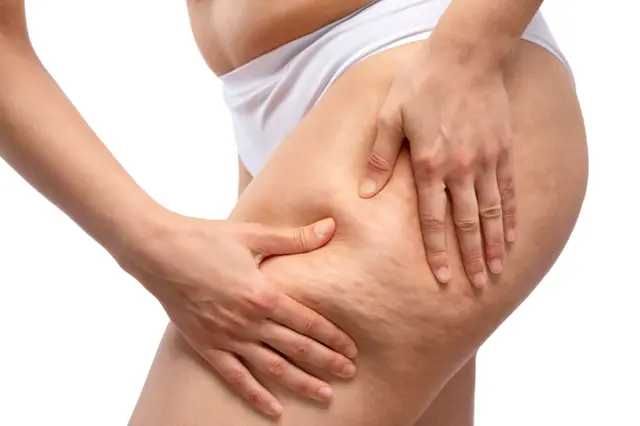
Cellulite
Cellulite appears with an orange peel or cottage cheese-like texture with a dimpled or lumpy skin surface. Mild cellulite is visible when you pinch the area with cellulite, like the thighs. Severe cellulite can make the…
13 de agosto de 2024 · 3 min de lectura


© 2026 Healthread
English · Español
Healthread no ofrece asesoramiento médico, diagnóstico ni tratamiento. Consulta siempre a un profesional sanitario cualificado sobre tu atención.