

What Medicines Cause Photosensitivity?
11 de octubre de 2022
4 min de lectura
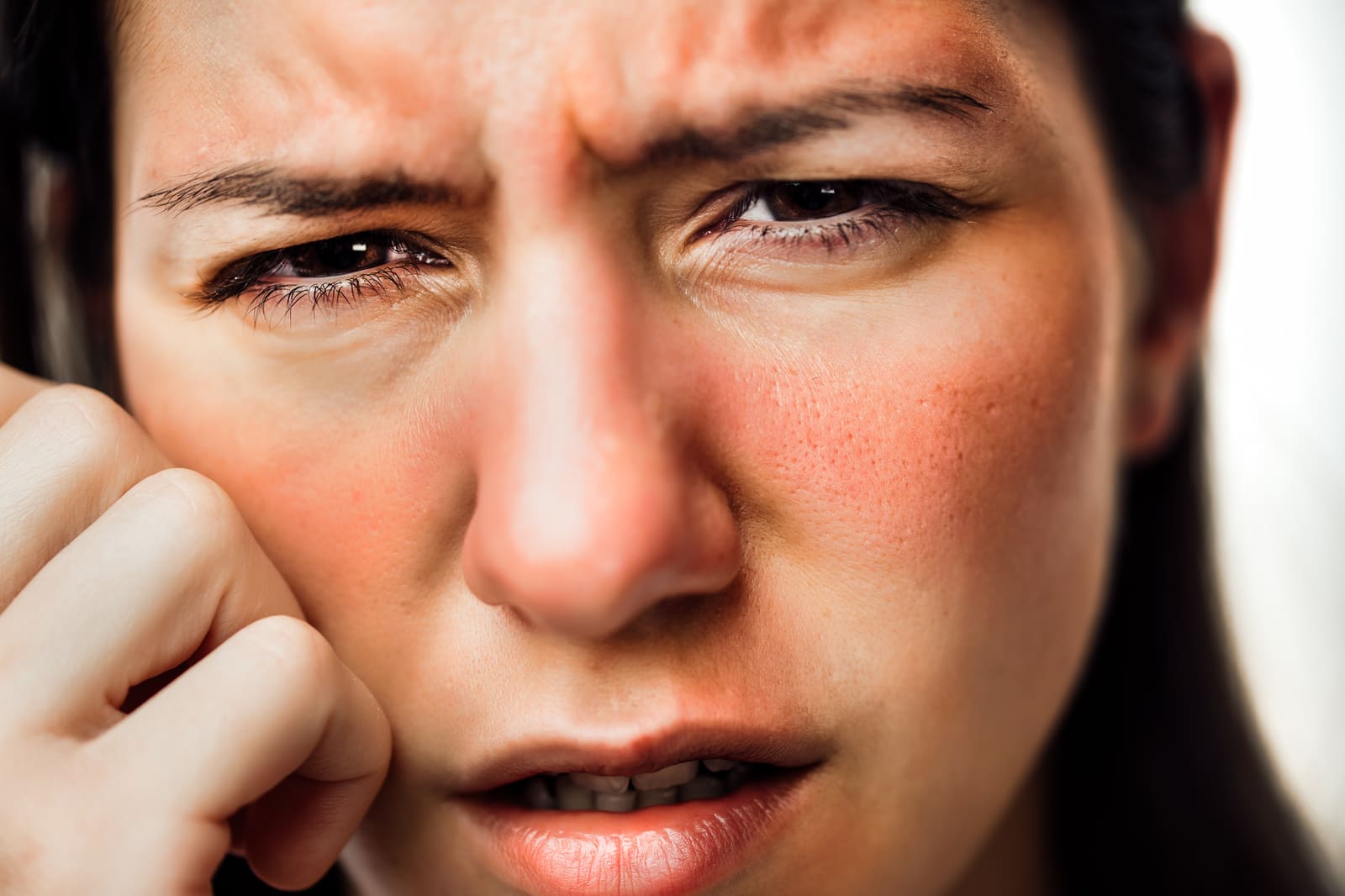
If you go out in the sun frequently, consider the medicines you take. Certain medications can cause your skin to become extra sensitive to the sun's ultraviolet rays, causing lasting skin damage that may even lead to skin cancer.
What is photosensitivity?
Photosensitivity occurs when your skin becomes extra sensitive to the sun's ultraviolet rays, causing more than usual sun damage.
You can become photosensitive if you:
- Take certain prescription medicines,
- Have certain medical conditions or a genetic disorder that predisposes you to photosensitivity, or
- Use certain cosmetics or skincare products.
Symptoms of photosensitivity
Where your medicines include directions to avoid direct sunlight or have photosensitivity as a possible side effect, they can trigger photosensitivity reactions.
Photosensitivity can cause abnormal reactions to direct UV sun rays, leading to severe sunburns even with limited exposure.
It can trigger skin eruptions on the exposed skin areas resulting in skin bumps, rashes, blisters, scaly patches, and even oozing skin lesions. Your skin may be itchy and burn, with a rash that can last for a few days.
You can become sensitive to other light sources, like indoor fluorescent lights. Some people find that they can be less sensitive to the sunlight reaction after multiple exposures.
Photosensitivity types
Photosensitive reactions can be of three main types:
Photoallergic reactions
Photoallegic reactions are relatively uncommon and can happen when the sun's UV rays interact with any ingredients of medicine or skincare products applied to the skin.
The sun's UV rays can trigger your body's immune system to produce more antibodies, causing rashes, blisters, red bumps, and skin oozing skin lesions on the skin's surface.
Photoallergic reactions typically develop within two to three days of exposure and can also occur in areas that are not exposed to the sun.
Phototoxic reactions
Phototoxic reactions occur when the medicines you take, either orally or applied to your skin, react with the sun's UV rays, causing skin damage that can look like a rash or sunburn.
You can have phototoxic reactions from certain ingredients in cosmetics or skincare products.
Phototoxic reactions can happen within minutes or after hours of direct sun exposure and are limited to the exposed skin surface.
Solar urticaria
This form of photosensitivity produces hives on sun-exposed skin. These hives appear as large red bumps, and are itchy.
What can trigger photosensitivity?
Medicines
Certain medicines can trigger photosensitivity in individuals when exposed to the direct UV rays of the sun. The exposed skin can develop sunburns, rashes, and other skin problems with an intensity and duration that are not seen in other individuals.
Diagnosis: Photosensitivity reactions from medicines can be diagnosed based on the history of the drug use and the clinical appearance of skin issues after using the drug.
Photo testing and photo patch testing are also used to diagnose the symptoms of photosensitivity from medicines.
Treatment: The idea is to prevent photosensitivity by using sun protection during certain drug use. If photosensitivity occurs, the treatment would involve,
- Discontinuation of the prescription drug; and
- Treatment of the reaction with a potent corticosteroid. See below for more treatment methods used for photosensitivity.
Medicines That Can Cause Photosensitivity
- Antibiotics, like ciprofloxacin, ofloxacin, tetracycline, trimethoprim, levofloxacin, doxycycline, and Sulfonamides
- Nonsteroidal anti-inflammatory drugs, such as naproxen, ibuprofen, and ketoprofen
- Antihistamines, like Benadryl and others
- Retinoids, like isotretinoin and acitretin
- Diuretics, like hydrochlorothiazide,bumetanide and furosemide
- Oral contraceptives and estrogens
- Drugs that lower cholesterol, like pravastatin and simvastatin
- Alpha hydroxy acids, used in cosmetics
- Antifungals, like voriconazole and flucytosine
- Antinausea drugs, like promethazine and prochlorperazine
- Certain chemotherapy medications, like Fluorouracil, Dacarbazine, Methotrexate, Nab-paclitaxel, Vinblastine
- Targeted therapy drugs, such as Amivantamab, Dasatinib, Erlotinib, Imatinib, Nilotinib, Vandetanib, Vemurafenib
Skincare products
Ingredients like retinol, glycolic acid, or benzoyl peroxide in skin care products can remove the outer protective skin layer causing photosensitive reactions from the sun's UV exposure.
Certain medical conditions
Autoimmune diseases, like lupus, can trigger photosensitivity in your skin when exposed to the sun's UV rays.
What is the treatment for photosensitivity?
For mild photosensitivity symptoms, you can apply a damp, cool washcloth to the skin affected or mist the area with cool water. If itchy, you can try to apply a cortisone-containing cream or nonprescription antihistamine.
For more severe photosensitivity symptoms, your doctor may recommend a prescription-strength corticosteroid cream or oral antihistamine.
If these remedies fail to relieve your symptoms, your physician may advise phototherapy, which gradually exposes your skin to increasing amounts of ultraviolet light. More advanced treatments include beta-carotene tablets, antimalaria drugs, and PUVA, which is a combination of ultraviolet light and psoralen.
How to protect yourself from photosensitivity?
If you are taking medications that trigger photosensitivity, you can reduce the risk of skin damage by taking the following steps.
- Use a broad-spectrum sunscreen of SPF 30 and above before sun exposure. Use sunscreen with physical blockers like zinc oxide or titanium oxide to prevent sun sensitivity.
- Wear hats, sunglasses, and long-sleeved clothes to limit sun exposure.
- Avoid going outdoors during peak sun hours, usually between 10 a.m. and 2. p.m., to protect yourself from the sun's UV rays.
Información general, no consejo médico
Este artículo no puede tener en cuenta tu historial de salud ni tu tratamiento actual. Habla con un profesional sanitario cualificado antes de cambiar nada de tu cuidado.
Lee nuestro aviso médico →
En esta página
What is photosensitivity?
Symptoms of photosensitivity
Photosensitivity types
Photoallergic reactions
Phototoxic reactions
Solar urticaria
What can trigger photosensitivity?
Medicines
Medicines That Can Cause Photosensitivity
Skincare products
Certain medical conditions
What is the treatment for photosensitivity?
How to protect yourself from photosensitivity?
Pon en práctica lo que lees
Controla tus medicamentos, consulta un síntoma y habla con personas que viven con la misma enfermedad, todo en Healthread.
Descargar la app
Sigue leyendo

Beauty and Anti-Aging
Gastric Balloon for Weight Loss
The gastric balloon weight loss procedure is a new FDA-approved minimally invasive bariatric procedure for treating obesity. It is a temporary procedure that involves placing a saline-filled silicone balloon in the…
19 de junio de 2025 · 3 min de lectura
Beauty and Anti-Aging
Vitamin D Deficiency
Also known as the sunshine vitamin, vitamin D is an essential nutrient that is naturally absorbed by the skin through exposure to sunlight. It can also be obtained from dietary sources and supplements.
30 de diciembre de 2024 · 3 min de lectura
Beauty and Anti-Aging
Cellulite
Cellulite appears with an orange peel or cottage cheese-like texture with a dimpled or lumpy skin surface. Mild cellulite is visible when you pinch the area with cellulite, like the thighs. Severe cellulite can make the…
13 de agosto de 2024 · 3 min de lectura


© 2026 Healthread
English · Español
Healthread no ofrece asesoramiento médico, diagnóstico ni tratamiento. Consulta siempre a un profesional sanitario cualificado sobre tu atención.