

Why are college students so vulnerable for Meningitis ?
11 de octubre de 2022
4 min de lectura
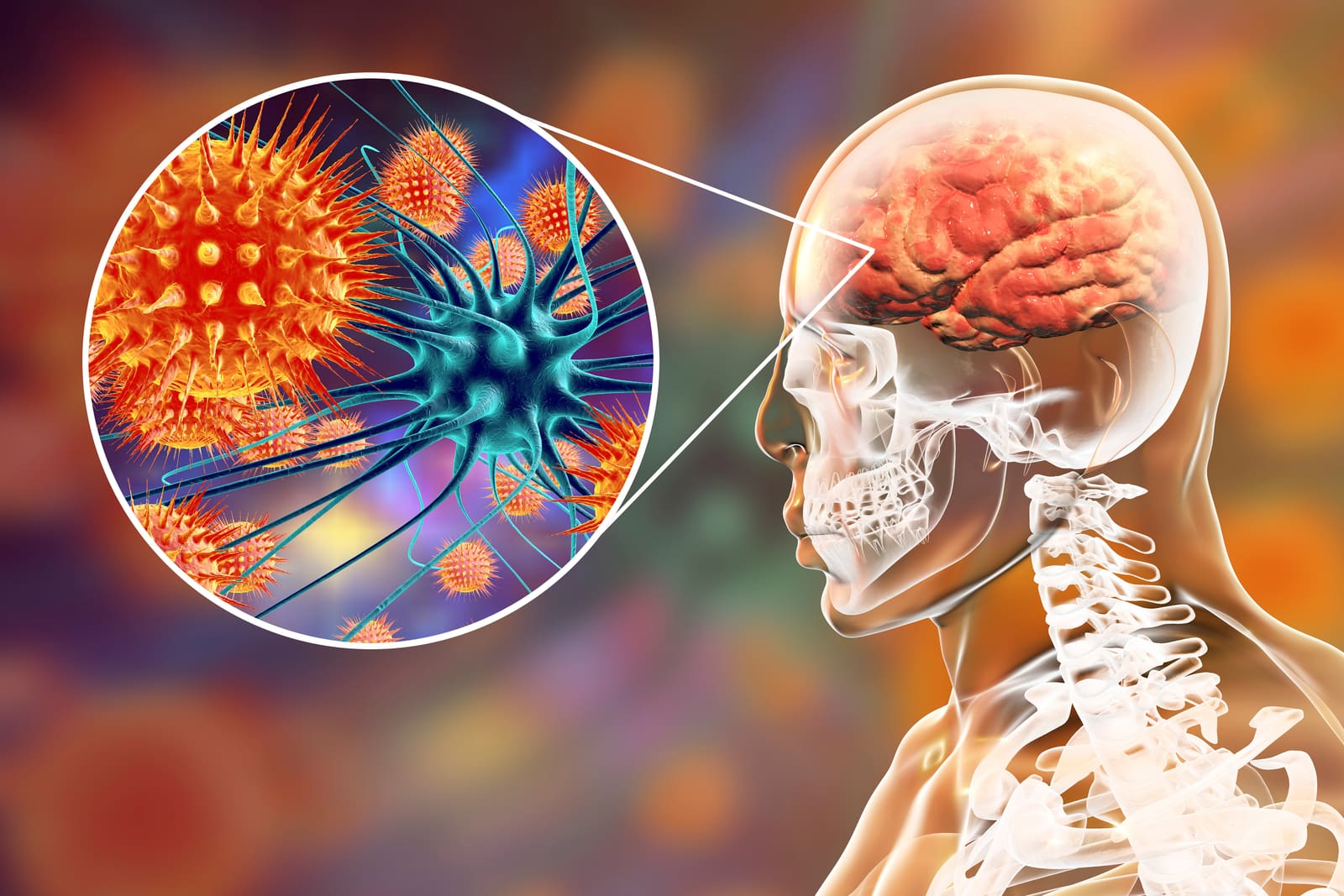
Meningitis is the inflammation of membranes and fluid and encasing your brain and spinal cord.
While doctors typically diagnose meningococcal disease in infants, teens, younger adults, and older adults, the incidence of meningitis has increased among college students in recent years.
According to a study, college students, especially those who stay in dorms, are 9 to 23 times more likely to get meningitis than those living in other accommodations.
Meningitis Types
Meningitis can be of the following types :
Bacterial Meningitis
Bacterial meningitis is contagious and can occur when bacteria enter the bloodstream and travels to the brain and spinal cord, affecting the meninges.
The bacteria can directly invade the meninges through an ear or sinus infection, a skull fracture, or in rare cases, due to surgery.
The following bacteria can cause bacterial meningitis:
- Neisseria meningitides ( meningococcus) - The bacteria commonly causes upper respiratory disease and can cause meningitis when entering the bloodstream. This highly contagious bacterial infection mainly affects young adults and teenagers and can cause epidemics in colleges and boarding schools.
- Streptococcus pneumoniae (pneumococcus) - The bacteria cause meningitis infection in infants, young children, and adults in the United States. It commonly causes ear and sinus infections and pneumonia.
- Listeria monocytogenes (listeria) - It is a food-borne bacteria found in unpasteurized cheeses and lunch meats that can infect newborns, pregnant women, kids, and older adults who have a weakened immune system.
- Haemophilus influenzae (Haemophilus) - The bacteria was a common cause of bacterial meningitis in children but has reduced significantly with the availability of HiB vaccines.
Fungal Meningitis
Cryptococcal meningitis is a fungal infection affecting people with AIDS or other immune deficiency diseases. It can be fatal if not treated with anti-fungal medication.
Viral Meningitis
Viral meningitis is mild and can be caused by a group of viruses called enteroviruses. Herpes Simplex virus, HIV mumps virus, or West Nile virus can also cause viral meningitis.
Parasitic Meningitis
Cerebral malaria or tapeworm infestation in the brain can cause parasitic meningitis. The parasites typically infect animals. Humans can get infected by eating food contaminated by such parasites.
Others
Certain cancers, chemical reactions, allergies from medicines, or inflammatory diseases like sarcoidosis can cause meningitis. They are, however, non-infectious.
Meningitis Symptoms
Meningitis symptoms mimic flu and can quickly worsen and lead to sudden death. The symptoms include:
- Sudden high fever
- Severe headache with nausea or vomiting
- Stiffness in the neck
- Seizures
- Skin rash
- Sensitivity to light
- Lack of appetite
- Confusion or difficulty in concentrating
- Excessive sleepiness.
Meningitis Risk Factors
The meningitis risk factors may include:
- A compromised immune system: People with AIDS, diabetes, or those who take Immunosuppressant drugs are more susceptible to contracting meningitis. Your risk of contracting the disease also increases if you’ve had your spleen removed.
- Age: Meningitis is often contracted by newborns, kids, young adults, and older adults.
- Living in a community setting: Bacterial meningitis, like meningococcal diseases, are highly infectious and can spread in a community such as college dorms and boarding schools. It typically spreads through sharing cups and water bottles and engaging in unhygienic behaviors.
- Skipping vaccination: People who have skipped the recommended childhood and adult meningitis vaccination are at an increased risk of getting the disease.
How to Prevent Meningitis
Common viral or bacterial meningitis typically spreads through coughing, sneezing, kissing, or sharing toothbrushes, utensils, lipstick, or cigarettes. The following steps can prevent the disease from spreading in communities.
- Maintain good hygiene by washing your hands frequently and avoiding sharing utensils, toothbrushes, food, and drinks with others.
- Keep your immune system healthy by eating a healthy diet rich in fruits and vegetables, exercising regularly, and taking enough rest.
- Cover your mouth and nose while coughing or sneezing to prevent the spread of the infection.
Role of Vaccinations in Protecting Against Meningitis
Vaccination can protect you from meningitis in a community setting like a college dorm. With an upsurge of meningococcal disease among college students, many states, universities, and colleges require meningococcal vaccination of students.
The CDC has recommended MenACWY vaccination for first-year college students living in the residence halls. The students need to get a booster shot when they have received a vaccination before their 16th birthday.
The CDC has further recommended Men B vaccination for people at increased risk of contracting the disease during serogroup B meningococcal disease outbreaks. A MenB booster shot has been proposed for college students who have previously received the vaccine.
Meningitis Organizations
The organizations below create awareness, conduct research, and/or provide resources to help protect you and your loved ones from meningococcal disease.
Are you a college student that has had meningitis? Share your story with other Healthread users.
Información general, no consejo médico
Este artículo no puede tener en cuenta tu historial de salud ni tu tratamiento actual. Habla con un profesional sanitario cualificado antes de cambiar nada de tu cuidado.
Lee nuestro aviso médico →
En esta página
Meningitis Types
Bacterial Meningitis
Fungal Meningitis
Viral Meningitis
Parasitic Meningitis
Others
Meningitis Symptoms
Meningitis Risk Factors
How to Prevent Meningitis
Role of Vaccinations in Protecting Against Meningitis
Meningitis Organizations
Pon en práctica lo que lees
Controla tus medicamentos, consulta un síntoma y habla con personas que viven con la misma enfermedad, todo en Healthread.
Descargar la app
Sigue leyendo

Beauty and Anti-Aging
Gastric Balloon for Weight Loss
The gastric balloon weight loss procedure is a new FDA-approved minimally invasive bariatric procedure for treating obesity. It is a temporary procedure that involves placing a saline-filled silicone balloon in the…
19 de junio de 2025 · 3 min de lectura
Beauty and Anti-Aging
Vitamin D Deficiency
Also known as the sunshine vitamin, vitamin D is an essential nutrient that is naturally absorbed by the skin through exposure to sunlight. It can also be obtained from dietary sources and supplements.
30 de diciembre de 2024 · 3 min de lectura

Beauty and Anti-Aging
Cellulite
Cellulite appears with an orange peel or cottage cheese-like texture with a dimpled or lumpy skin surface. Mild cellulite is visible when you pinch the area with cellulite, like the thighs. Severe cellulite can make the…
13 de agosto de 2024 · 3 min de lectura


© 2026 Healthread
English · Español
Healthread no ofrece asesoramiento médico, diagnóstico ni tratamiento. Consulta siempre a un profesional sanitario cualificado sobre tu atención.