

Surprising Ways Alcohol Affects Your Health
15 de octubre de 2020
3 min de lectura
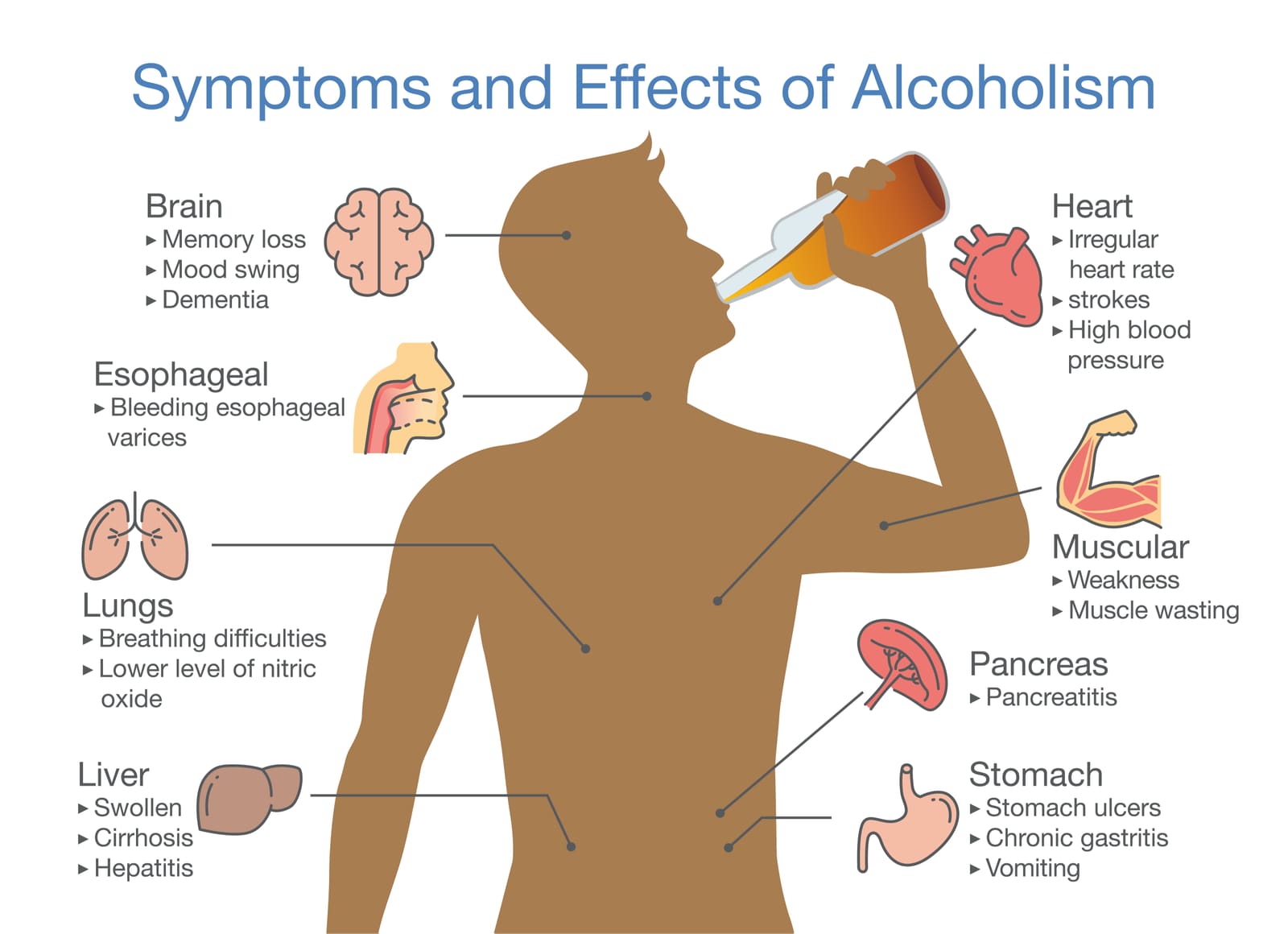
If you've been trying to curb your alcohol intake recently, you might find motivation in reviewing the ways drinking too much can affect your well-being and happiness—and it could be more than just intoxication, hangovers, alcohol-fueled fights with your loved ones, and liver damage.
Keep reading for some surprising ways excessive alcohol consumption can negatively affect your short- and long-term health.
5 Ways You Didn't Know Alcohol was Affecting Your Health
1. Disrupted Sleep
Many people claim that drinking alcohol helps them sleep better. The reality is that while alcohol may have a sedative effect that helps you fall asleep, we know that alcohol impairs the quality of your sleep and prevents you from going through the normal restorative sleep cycles throughout the night. This can lead to fractured sleep and fatigue.
2. Weight Gain
Research suggests that people who are heavy drinkers in young adulthood are more likely to gain weight or become obese later in life. This could be for several reasons. For example, alcoholic beverages contain calories, so drinking too much can easily cause you to exceed your recommended daily caloric intake. Plus, drinking alcohol lowers inhibitions and may make you more likely to make other poor health decisions, such as eating nutrient-poor, calorie-rich foods and not exercising.
3. Heart and Blood Vessel Damage
According to the American Heart Association, drinking too much alcohol can damage your blood vessels and heart, raise your blood pressure and cholesterol levels (two major risk factors for cardiovascular disease), and increase your risk of irregular heart beats. Heavy drinking also increases a person's risk of heart failure, heart attack, and stroke.
In addition to heart and blood vessel problems, drinking too much alcohol also increases your risk of certain cancers, including cancer of the larynx (voice box), mouth, throat, esophagus, liver, colon, rectum, and breast.
4. Depressed Mood
Alcohol is a chemical depressant that can exacerbate feelings of depression, anxiety, and other mood disorders due to the way it interacts with the brain and nervous system. If you take anti-depressant medications, drinking alcohol can make them work less effectively.
Paradoxically, many people with depression or mental health conditions self-medicate with alcohol. Unfortunately, this can lead to a range of unexpected and potentially deadly consequences, including an increased risk of suicide.
5. Weakened Immune System
Alcohol can impair your body's ability to defend itself against germs, infections, and illness because of its negative impact on your immune system. This is due to a number of mechanisms, including the damaging effect that alcohol has your gut bacteria and digestive tract (which actually play an important role in immune health).
Cheers to Your Health? Deciding Whether to Make Alcohol a Part of Your Life
There's no question that drinking too much can harm your health. But some research suggests moderate consumption of alcohol may actually offer certain health benefits. Does this mean you should drink wine, beer, or liquor to boost your well-being? And if, so how much?
Traditionally, officials have recommended that men consume no more than two alcoholic drinks per day and women consume no more than one alcoholic drink per day in order to minimize the risk of unintended health effects. However, a panel of experts on the Dietary Guidelines Advisory Committee recently updated their recommendations. They now suggest that both men and women should limit their daily consumption of alcohol to no more than one serving—that's equivalent to one can (12 ounces) of regular beer, 5 ounces of wine, or one shot (1.5 ounces) of liquor such as vodka or whiskey, according to the National Institute on Alcohol Abuse and Alcoholism.
In a July 2020 report to the U.S. Secretary of Agriculture and and Secretary of Health and Human Services, the Committee also suggest that "those who do not drink should not begin to drink because they believe alcohol would make them healthier."
In other words:
You don't need to drink in order to boost your well-being, and there's no amount of alcohol that is "necessary" for good health. In fact, not drinking is likely healthier than drinking any amount, and generally speaking drinking less is always better than drinking more.
So, if you are going to enjoy alcohol, remember to do so in moderation. You'll be helping yourself out in more ways than you may realize.
Learned something new? Share this article with your loved ones, and let us know what else you'd like to see on Healthread.
Sources
- 1bloomberg.com/opinion/articles/2020-08-26/new-usda-alcohol-dietary-guidelines-one-drink-a-day-really
- 2cdc.gov/cancer/alcohol/index.htm
- 3ajpmonline.org/article/S0749-3797(17)30140-X/abstract
- 4afmc.org/afmc-healthspot/alcohol-worsens-depression-depression-worsens-alcohol-abuse/
- 5ncbi.nlm.nih.gov/pmc/articles/PMC4590612/
- 6sleepfoundation.org/articles/alcohol-and-sleep
- 7niaaa.nih.gov/what-standard-drink
- 8mayoclinic.org/healthy-lifestyle/nutrition-and-healthy-eating/in-depth/alcohol/art-20044551
- 9dietaryguidelines.gov/sites/default/files/2020-07/ScientificReport_of_the_2020DietaryGuidelinesAdvisoryCommittee_first-print.pdf
- 10globalnews.ca/news/7181113/adults-1-alcoholic-drink-per-day/
- 11health.clevelandclinic.org/6-surprising-ways-alcohol-affects-health-not-just-liver/
Información general, no consejo médico
Este artículo no puede tener en cuenta tu historial de salud ni tu tratamiento actual. Habla con un profesional sanitario cualificado antes de cambiar nada de tu cuidado.
Lee nuestro aviso médico →
En esta página
5 Ways You Didn't Know Alcohol was Affecting Your Health
1. Disrupted Sleep
2. Weight Gain
3. Heart and Blood Vessel Damage
4. Depressed Mood
5. Weakened Immune System
Cheers to Your Health? Deciding Whether to Make Alcohol a Part of Your Life
Sources
Pon en práctica lo que lees
Controla tus medicamentos, consulta un síntoma y habla con personas que viven con la misma enfermedad, todo en Healthread.
Descargar la app
Sigue leyendo
Beauty and Anti-Aging
Gastric Balloon for Weight Loss
The gastric balloon weight loss procedure is a new FDA-approved minimally invasive bariatric procedure for treating obesity. It is a temporary procedure that involves placing a saline-filled silicone balloon in the…
19 de junio de 2025 · 3 min de lectura
Beauty and Anti-Aging
Vitamin D Deficiency
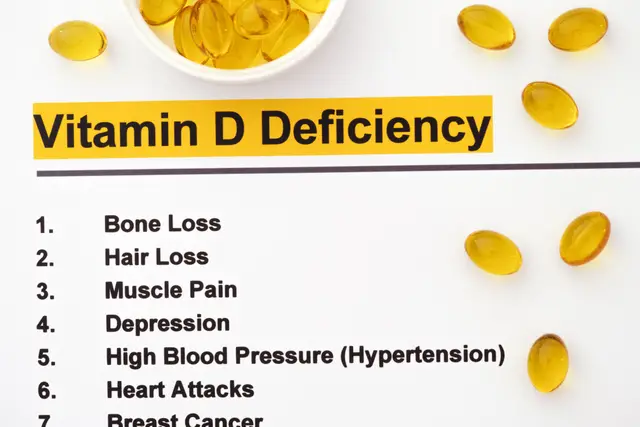
Also known as the sunshine vitamin, vitamin D is an essential nutrient that is naturally absorbed by the skin through exposure to sunlight. It can also be obtained from dietary sources and supplements.
30 de diciembre de 2024 · 3 min de lectura
Beauty and Anti-Aging
Cellulite
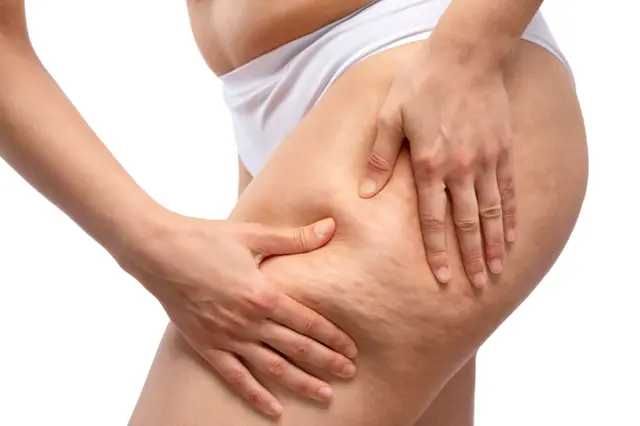
Cellulite appears with an orange peel or cottage cheese-like texture with a dimpled or lumpy skin surface. Mild cellulite is visible when you pinch the area with cellulite, like the thighs. Severe cellulite can make the…
13 de agosto de 2024 · 3 min de lectura


© 2026 Healthread
English · Español
Healthread no ofrece asesoramiento médico, diagnóstico ni tratamiento. Consulta siempre a un profesional sanitario cualificado sobre tu atención.