

Yes, Flossing IS That Important—Here Are X Ways to Build a Consistent Flossing Habit
21 de octubre de 2020
3 min de lectura
Do you floss? Despite being told by our dentists how important flossing is for oral health, research suggests only about a third of Americans practice this dental habit regularly.
While some research suggests the benefits of flossing aren't conclusively proven, organizations including the American Dental Association urge people to floss in addition to twice-daily brushing as a way to fight plaque build-up in your mouth, brighten teeth, and reduce the risk of gingivitis (mild gum disease). And since flossing is low-cost and generally safe when performed correctly, most experts agree that it's a great habit to build.
Even though flossing is easy to do, however, some people find themselves struggling to develop a consistent practice. Keep reading for a few helpful habit-building tips you can count on.
3 Simple Ways to Build a Great Flossing Habit
1. Set the Bar Low
It can cost a lot of mental energy to build a new habit or break a bad one. And some people find that trying to make too big of a change all at once—such as going from no flossing to flossing every single day—can lead to enough frustration that they simply give up altogether.
So, set yourself up for success by setting the bar a little lower. For example, start with an easy goal of flossing just twice per week. This makes you more likely to achieve your goal and gives you the momentum you need to keep it up, thanks to the beneficial effects of positive reinforcement, which has been shown to promote the development of healthy habits.
2. Make it Consistent
According to a 2012 paper published in the British Journal of General Practice, consistency is key when it comes to making a new habit. Being consistent with a flossing habit means:
· Deciding when and where you will floss every day
· Flossing every time you encounter that time and place
An obvious example would be to floss after each time you brush your teeth in the morning and/or at night. You may also find it useful to tack on your flossing habit onto something else you already do daily. For example, you may try flossing:
- Right after you workout
- While you're waiting for your coffee to brew
- Right after you get into your car
- Before you sit down to use social media
- While you're watching television
- Before or after you shower
- After you walk the dog
Overall, it doesn't really matter when you floss, although experts recommend doing it the same time you brush your teeth. The key is to consistently perform the task around the same time and in the same place every day (with clean hands, please!) until it eventually becomes something you don't even have to think about doing.
By the way—it's not necessarily true that it takes 21 days to build a habit. According to a 2009 study in the European Journal of Social Psychology, habit-forming may take anywhere from two and a half weeks to the better part of a year. In other words, don't be discouraged if you're still building your flossing habit after three weeks. Just work doing the small act daily until it become second nature. It will get easier eventually.
3. Put Up Reminders
Visual reminders can prevent your busy life from getting in the way of your new habit. Try posting notes or visual cues around your bathroom or wherever you plan to floss that will remind you to get your healthy habit done. This could be as simple as writing a few words on a sticky note or even just leaving your flossing tool where it's easy to see and grab.
For extra incentive, you may even jot down a few of the benefits you can get from flossing, such as "bright teeth" or "healthy smile."
Not sure on the right flossing technique or tool to use? Be sure to talk to your dentist for guidance, and let us know at Healthread what other dental health questions you have. And don't forget to share this article with anyone you know who's trying to build a better health habit.
Sources
- 1newsinhealth.nih.gov/2016/11/dont-toss-floss
- 2citeseerx.ist.psu.edu/viewdoc/download?doi=10.1.1.695.830&rep=rep1&type=pdf
- 3tandfonline.com/doi/abs/10.1080/08870446.2017.1310862?journalCode=gpsh20
- 4apa.org/monitor/dec04/junkfood
- 5digitalcommons.brockport.edu/cgi/viewcontent.cgi?article=1818&context=ehd_theses
- 6ada.org/en/press-room/news-releases/2016-archive/august/statement-from-the-american-dental-association-about-interdental-cleaners
- 7usnews.com/news/articles/2016-05-02/how-many-americans-floss-their-teeth
Información general, no consejo médico
Este artículo no puede tener en cuenta tu historial de salud ni tu tratamiento actual. Habla con un profesional sanitario cualificado antes de cambiar nada de tu cuidado.
Lee nuestro aviso médico →
En esta página
3 Simple Ways to Build a Great Flossing Habit
1. Set the Bar Low
2. Make it Consistent
3. Put Up Reminders
Sources
Pon en práctica lo que lees
Controla tus medicamentos, consulta un síntoma y habla con personas que viven con la misma enfermedad, todo en Healthread.
Descargar la app
Sigue leyendo

Beauty and Anti-Aging
Gastric Balloon for Weight Loss
The gastric balloon weight loss procedure is a new FDA-approved minimally invasive bariatric procedure for treating obesity. It is a temporary procedure that involves placing a saline-filled silicone balloon in the…
19 de junio de 2025 · 3 min de lectura
Beauty and Anti-Aging
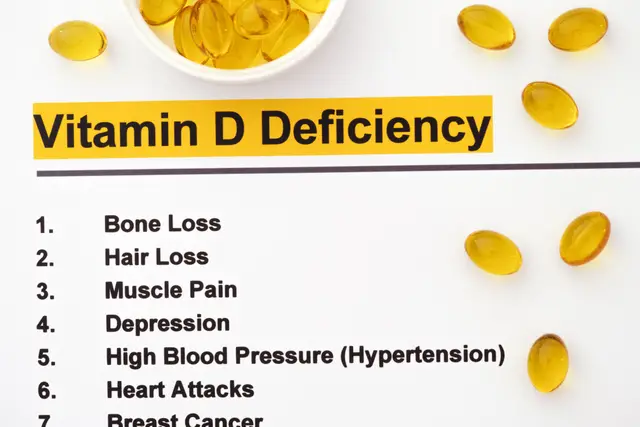
Vitamin D Deficiency
Also known as the sunshine vitamin, vitamin D is an essential nutrient that is naturally absorbed by the skin through exposure to sunlight. It can also be obtained from dietary sources and supplements.
30 de diciembre de 2024 · 3 min de lectura
Cancer-Updates
Gynecologic Cancer
Gynecologic cancer is a term used to describe a group of cancers that affect the female reproductive system. There are five types of gynecologic cancers named after the body part where they start.
5 de noviembre de 2024 · 3 min de lectura


© 2026 Healthread
English · Español
Healthread no ofrece asesoramiento médico, diagnóstico ni tratamiento. Consulta siempre a un profesional sanitario cualificado sobre tu atención.