

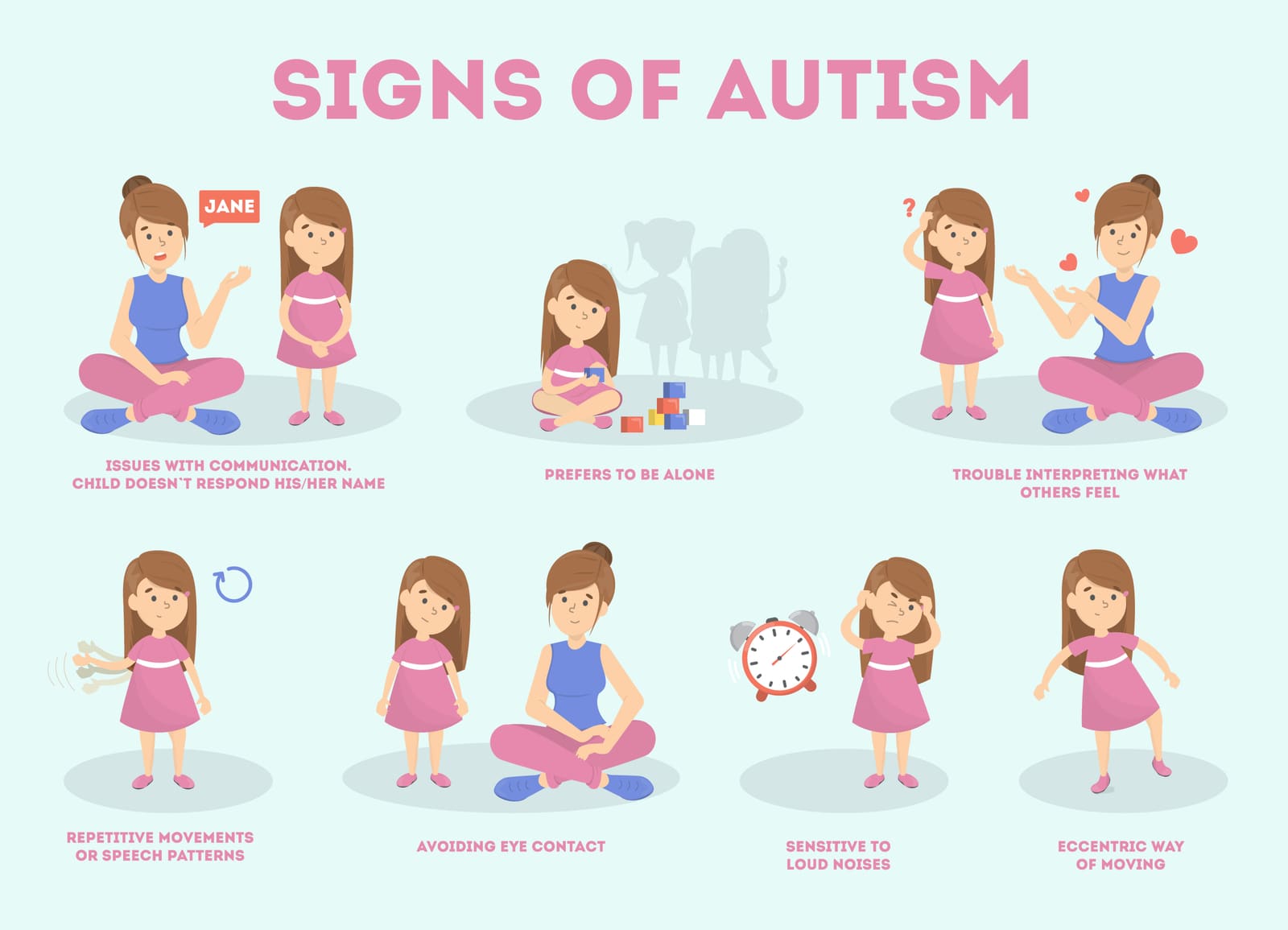
Asperger’s syndrome (also known as Asperger’s Disorder) is a developmental disorder characterized by decreased social abilities, poorly developed physical skills, and obsessive behaviors. Technically, individuals are no longer diagnosed with Asperger’s syndrome, because it is part of a larger group of neurological conditions called autism spectrum disorders. People refer to Asperger’s syndrome as a mild version of an autism spectrum disorder. The symptoms of Asperger’s syndrome can be mild enough that individuals interacting with them may not be aware that they are on the autism spectrum.
Characteristics of People with Asperger’s Syndrome
People with Asperger’s syndrome face several challenges that impact their ability to integrate into society and live independently. Typical characteristics of Asperger’s syndrome include:
- strong intellectual or artistic interest, often being particularly gifted in that area
- atypical patterns of speech (intonation, rhythm, or volume)
- delayed motor development (varies widely in severity)
- lacking in social skills, perhaps to the point the point of not valuing social connection
- psychological issues, such as anxiety and depression
- much more detail-oriented than the average person
- high integrity and transparency in their intentions
- extreme persistence in their quest to accomplish a goal
People with Asperger’s may desire to “fit in,” but they may have difficulty due to a lack of understanding about the typical “rules” of social interactions or apparent differences in their physical behavior. They may not be able to converse on topics of interest to others, because they are obsessively focused on a topic that interests them and don’t understand language nuances, such as use of humor or irony.
Diagnosis
Diagnosis of Asperger’s syndrome has been increasing, but it is not clear if this is due to more cases developing or an increase is screening. Unlike people with autism, early language development is unaffected; so, children may not be diagnosed at an early age. Their language and cognitive skills can be normal, making it difficult for others to detect that something is different about them. However, as more and more of the characteristics listed above present themselves, people will begin to recognize that these children are different and need additional support.
The symptoms of Asperger’s disorder are not outgrown and will persist throughout life. Given increases in awareness over the past few decades, many adults who had been unknowingly living with Asperger’s syndrome became aware of the root cause of some of their challenges. Adult diagnosis of autism spectrum disorders is becoming more rare given modern routine childhood screenings. Diagnosis of Asperger’s is usually made during childhood.
If an autism spectrum disorder is suspected, medical professionals will ask for a developmental history and conduct a period of observation. They will look for the characteristics listed above, as well as rule out other autism spectrum disorders. Early diagnosis is helpful for ensuring patients with Asperger’s syndrome are treated as early as possible, in order to increase the chance of them having an independent, normal life.
Treatment
Treatment aims to address 3 areas that greatly impact the individual’s daily life:
- poor communication skills
- obsessive behaviors and routines
- uncoordinated physical movement/motor skills
Treatment programs usually aim to take advantage of the child’s interests. These individuals thrive on a schedule, so treatment activities will be highly structured and consistently reinforce desired behaviors. Treatment will be tailored to the individual, and it may include practicing social skills, modifying behaviors, and treating co-existing medical conditions.
With treatment, children with Asperger’s syndrome can learn to integrate into society in a normal way. However, they may continue to have difficulty with social interactions and personal relationships. Many adults with Asperger’s have normal jobs and live independently their entire lives. Continued encouragement and treatment may be needed throughout adulthood.
Causes of Asperger’s Syndrome
The cause of autism spectrum disorders is unknown. Research suggests that abnormalities in brain structure and function may be present, and these arise during fetal development. Several environmental factors have been associated with increased risk, including exposure to valproate (a seizure medication) during fetal development, older parental age, and low birth weight. There is also a clear genetic component to Asperger’s, as well as other autism spectrum disorders. The genetics of autism spectrum disorders is an active area of ongoing research.
Sources
General information, not medical advice
This article can't account for your health history or current treatment. Talk to a qualified clinician before you change anything about your care.
Read our medical disclaimer →
On this page
Characteristics of People with Asperger’s Syndrome
Diagnosis
Treatment
Causes of Asperger’s Syndrome
Sources
Put what you read to work
Track your medicines, check a symptom and talk with people managing the same condition, all in Healthread.
Get the app
Keep reading

Beauty and Anti-Aging
Gastric Balloon for Weight Loss
The gastric balloon weight loss procedure is a new FDA-approved minimally invasive bariatric procedure for treating obesity. It is a temporary procedure that involves placing a saline-filled silicone balloon in the…
June 19, 2025 · 3 min read
Beauty and Anti-Aging
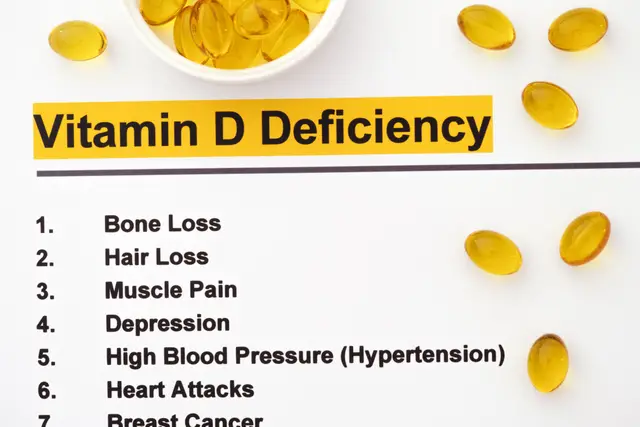
Vitamin D Deficiency
Also known as the sunshine vitamin, vitamin D is an essential nutrient that is naturally absorbed by the skin through exposure to sunlight. It can also be obtained from dietary sources and supplements.
December 30, 2024 · 3 min read

Cancer-Updates
Gynecologic Cancer
Gynecologic cancer is a term used to describe a group of cancers that affect the female reproductive system. There are five types of gynecologic cancers named after the body part where they start.
November 5, 2024 · 3 min read


© 2026 Healthread
English · Español
Healthread does not provide medical advice, diagnosis or treatment. Always speak to a qualified clinician about your care.