

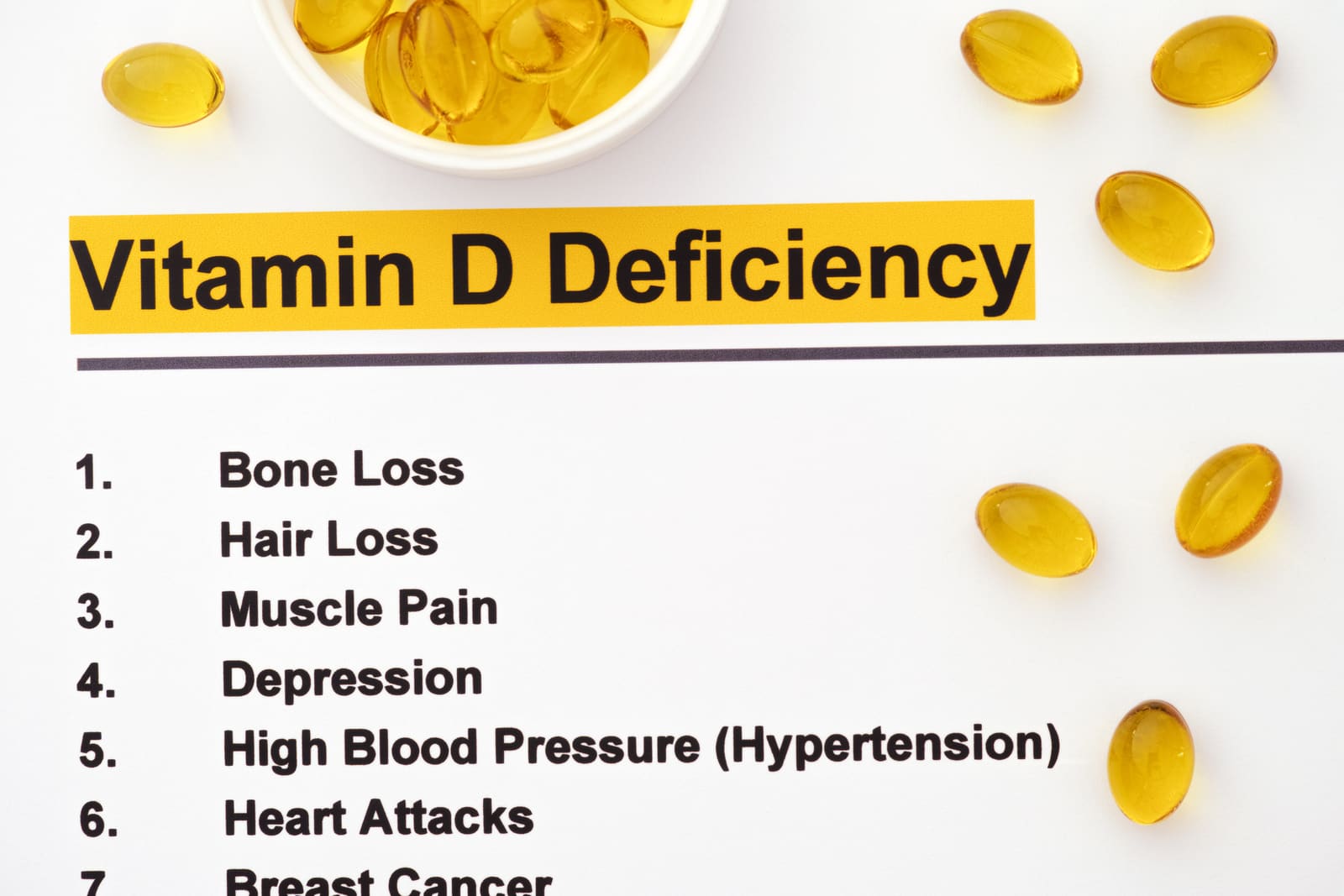
Vitamin D deficiency means you do not have enough vitamin D in your body. Also known as the sunshine vitamin, vitamin D is an essential nutrient that is naturally absorbed by the skin through exposure to sunlight. It can also be obtained from dietary sources and supplements.
Why is vitamin D important?
Vitamin D has important functions including:
- Supporting bone health through healthy absorption of calcium
- Helping in cell growth.
- Helping in the absorption of calcium and phosphorous to build bones and support healthy tissue.
- Maintaining the immune system.
- Reducing inflammation and preventing diseases like rheumatoid arthritis.
- Maintaining cardiovascular health.
Vitamin D Deficiency Causes
The causes of vitamin D deficiency may include:
Not getting enough vitamin D from the diet:
People who follow a strict vegan diet may miss out on the vitamin D available from certain animal
based foods like:
- Egg yolks
- Fatty fish including salmon, tuna, mackerel, and trout
- Fish liver oils
- Beef liver
- Milk and milk products
Not getting enough sun exposure
The body makes vitamin D naturally when exposed to sunlight. Some people may experience a vitamin D deficiency if they:
- Stay indoors most of the time.
- Live in the northern climate.
- Wear sunscreen every time they go out.
Having a darker skin tone
People with a darker skin tone have a higher amount of melanin, the pigment that gives the skin its color. High melanin content can block the skin’s ability to create vitamin D after exposure to the sun.
Medical conditions
The medical conditions that can cause a vitamin D deficiency may include:
- Obesity: Having a BMI of more than 30.
- Cystic fibrosis, Crohn’s disease, and colitis: The conditions may prevent the intestine from absorbing vitamin D.
- Kidney and liver disease: The conditions reduce certain enzymes required to change the vitamin D to a form in which it can be used.
Weight loss surgeries
Weight loss surgeries like gastric bypass surgery that reduce the stomach size or bypass a part of the small intestine can make it difficult for the body to absorb essential nutrients, vitamins, and minerals.
Medications
The medications that can cause a vitamin D deficiency include
- Steroids, like prednisone
- Laxatives
- Cholesterol-lowering drugs like colestipol and cholestyramine
- Seizure-preventing drugs like phenytoin and phenobarbital
- Orlistat (a weight-loss drug)
- Rifampin (a tuberculosis drug).
Symptoms of Vitamin D Deficiency
While a deficiency in vitamin D may have no symptoms or the symptoms may appear after many years, it increases the risk of developing certain long-term health problems.
Some symptoms of vitamin D deficiency may include:
- Bone and back pain
- Fatigue
- Muscle aches and cramps
- Mood changes like anxiety and depression
- Impaired wound healing
In the long run, severe vitamin D deficiency may cause:
- Loss of bone density which contributes to fractures and osteoporosis.
- Osteomalacia that leads to bone pain, and bone and muscle weaknesses.
Children with mild vitamin D deficiency may have weak, sore, or painful muscles.
How is vitamin D deficiency diagnosed?
Your healthcare provider may order a blood test to determine your vitamin D levels if you:
- Have any symptoms.
- Have any underlying medical conditions that can cause a vitamin D deficiency.
- Are at a risk of developing a vitamin D deficiency.
Vitamin D Deficiency Treatment
People with a vitamin D deficiency may be prescribed supplements. The supplements come in two forms:
- Ergocalciferol (D2) which needs a prescription; and,
- Cholecalciferol(D3) ,available over-the-counter.
It takes about six to eight weeks of taking vitamin D supplements for the body to reach normal vitamin D levels.
Vitamin D Deficiency Prevention
Vitamin D deficiency can be prevented by:
- Getting regular sun exposure.
- Having a diet rich in vitamin D.
- Taking vitamin D supplements.
Can too much vitamin D be harmful?
Too much vitamin D can be harmful with symptoms like:
- Nausea and vomiting
- Constipation
- Weaknesses
- Loss of appetite
High levels of vitamin D may cause hypercalcemia (high calcium levels) leading to:
- Kidney failure
- Irregular heartbeat (arrhythmia)
- Confusion
Source links
- 1my.clevelandclinic.org/health/diseases/15050-vitamin-d-vitamin-d-deficiency
- 2medlineplus.gov/vitaminddeficiency.html
- 3webmd.com/diet/vitamin-d-deficiency
- 4yalemedicine.org/conditions/vitamin-d-deficiency
- 5healthline.com/nutrition/vitamin-d-deficiency-symptoms
- 6mayoclinic.org/healthy-lifestyle/nutrition-and-healthy-eating/expert-answers/vitamin-d-deficiency/faq-20058397
- 7ods.od.nih.gov/factsheets/VitaminD-HealthProfessional/
- 8medicalnewstoday.com/articles/318060
- 9pmc.ncbi.nlm.nih.gov/articles/PMC2912737/
- 10nejm.org/doi/full/10.1056/NEJMra070553
General information, not medical advice
This article can't account for your health history or current treatment. Talk to a qualified clinician before you change anything about your care.
Read our medical disclaimer →
On this page
Why is vitamin D important?
Vitamin D Deficiency Causes
Not getting enough sun exposure
Having a darker skin tone
Medical conditions
Weight loss surgeries
Medications
Symptoms of Vitamin D Deficiency
How is vitamin D deficiency diagnosed?
Vitamin D Deficiency Treatment
Vitamin D Deficiency Prevention
Can too much vitamin D be harmful?
Source links
Put what you read to work
Track your medicines, check a symptom and talk with people managing the same condition, all in Healthread.
Get the app
Keep reading

Beauty and Anti-Aging
Gastric Balloon for Weight Loss
The gastric balloon weight loss procedure is a new FDA-approved minimally invasive bariatric procedure for treating obesity. It is a temporary procedure that involves placing a saline-filled silicone balloon in the…
June 19, 2025 · 3 min read
Beauty and Anti-Aging
Cellulite
Cellulite appears with an orange peel or cottage cheese-like texture with a dimpled or lumpy skin surface. Mild cellulite is visible when you pinch the area with cellulite, like the thighs. Severe cellulite can make the…
August 13, 2024 · 3 min read
Beauty and Anti-Aging
Peptic Ulcer Disease
The gastrointestinal tract has a protective mucus lining that protects the stomach from substances like corrosive digestive acids. Peptic ulcer occurs when the layers of the mucus lining are eroded.
August 11, 2024 · 3 min read


© 2026 Healthread
English · Español
Healthread does not provide medical advice, diagnosis or treatment. Always speak to a qualified clinician about your care.