

Asthma is a condition that affects the respiratory system, making it difficult for you to breathe. Recognizing triggers for your asthma can help you avoid asthma attacks, but the first step is to get an accurate diagnosis.
What Is Asthma?
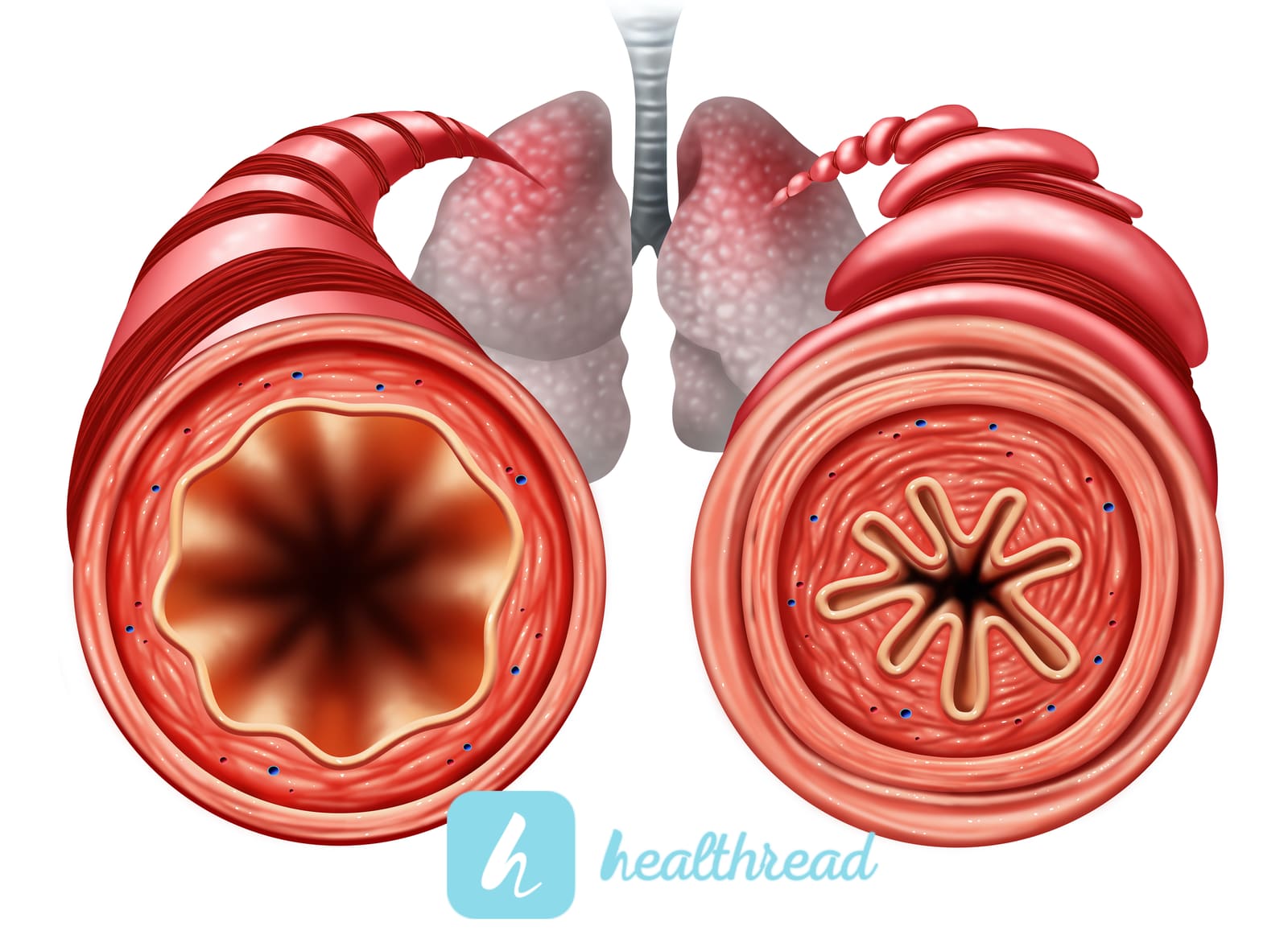
Asthma affects the airways that deliver air to and from your lungs. These airways are called the bronchial tubes. As the lungs expand and contract, air flows in and out of these tubes. For most people, airflow through the bronchial tubes is unobstructed. For people with asthma, the airways are inflamed. This makes them more susceptible to closing.
During an asthma attack, something triggers your airways to narrow and become even more swollen. The bronchial tubes also produce extra mucus, further clogging airflow. As a result, you will find it difficult to breathe. Asthma ranges in severity, and certain asthma attacks may be worse than others.
Signs and Symptoms of Asthma
The major sign of asthma is difficulty breathing. This may happen episodically during an asthma attack or all of the time. Common symptoms include:
- Shortness of breath
- Chest tightness
- Chest pain
- Wheezing or a whistling sound when letting a breath out
- Coughing
- Difficulty sleeping because it’s hard for you to breathe easily
- Wheezing attacks that get worse when you have a cold or the flu
Mild symptoms of asthma may simply be a nuisance. In severe cases, you may need to be hospitalized to get the breathing under control.
Diagnosing Asthma
Although your primary care doctor may be able to diagnose asthma based on your symptoms, an allergist is a specialist who can confirm the diagnosis. Typically, diagnosis of asthma is based on a breathing test called spirometry. You will be asked to take a deep breath and blow into a sensor. The sensor measures your lung capacity (how much air your lungs can hold) as well as the speed and forcefulness of your breathing. This helps the doctor understand how well your lungs are working.
In some cases, your doctor may recommend a FeNO test. This is a test that measures exhaled nitric oxide. It is used when your doctor wants to determine the extent of lung inflammation. If you are taking inhaled steroids for allergy-associated asthma, the FeNO test may help your medical provider understand how well the inhaler is working. Another common asthma test is a methacholine challenge, in which the common asthma trigger methacholine is presented. If you develop asthma symptoms, this suggests that you have asthma. Testing cells in your saliva is another way to diagnose inflammation of the airways.
Recognizing Your Asthma Triggers
After getting a diagnosis of asthma, it is important to recognize your triggers. Keep a journal that outlines where, when, and how the asthma attack occurred, including any environmental triggers and a list of your symptoms. Over time, this can help you identify what things may be triggering your asthma. The most common asthma triggers include:
- Allergies. Airborne allergies often trigger asthma symptoms. These might include pollen, mold, or pet dander. If you haven’t been tested for allergies, a visit to an allergist can help you get an accurate diagnosis so you know what may trigger your asthma.
- Exercise. Physical activity is a common asthma trigger. Exercising causes you to breathe more heavily, and this may exacerbate your symptoms. Exercise-induced asthma is often worse in cold or dry air.
- Chemicals. Fumes, gases, dust, and other airborne irritants can trigger asthma symptoms.
- Laughing or crying. Experiencing strong emotions can sometimes trigger an asthma attack.
- GERD. Acid reflux can cause some people to experience asthma symptoms.
- Certain foods. Foods with high levels of sulfites and preservatives, such as processed potatoes, shrimp, beer, wine, and dried fruit often trigger inflammation of the airways.
Treatment for Asthma
The best treatment for asthma is to avoid asthma attacks in the first place. That means getting to know your triggers very well, taking steps to avoid them whenever possible. When you begin to notice your breathing change, it is important to immediately take measures to get it under control. This may mean leaving the present environment if dust or allergens are present, focusing on deep breathing, or using a quick-relief inhaler like albuterol.
Asthma control medications are typically taken daily. These include inhaled corticosteroids (e.g., Flonase, Omnaris, Aerospan), oral medications like Singulair or Zyflo, inhaled beta agonists (Serevent, Foradil), the pill theophylline (Theo-24, Elixophyllin), or combination inhalers (e.g., Advair Diskus, Symbicort) that include both a long-acting beta agonist and a corticosteroid. Allergy medications are also useful if allergies are a trigger for your asthma symptoms.
When your long-acting medications are working properly, your asthma should be under control on a daily basis. If you find yourself frequently reaching for your quick-relief inhaler, it’s time to visit your doctor for a medication adjustment.
Sources
General information, not medical advice
This article can't account for your health history or current treatment. Talk to a qualified clinician before you change anything about your care.
Read our medical disclaimer →
On this page
What Is Asthma?
Signs and Symptoms of Asthma
Diagnosing Asthma
Recognizing Your Asthma Triggers
Treatment for Asthma
Put what you read to work
Track your medicines, check a symptom and talk with people managing the same condition, all in Healthread.
Get the app
Keep reading

Beauty and Anti-Aging
Gastric Balloon for Weight Loss
The gastric balloon weight loss procedure is a new FDA-approved minimally invasive bariatric procedure for treating obesity. It is a temporary procedure that involves placing a saline-filled silicone balloon in the…
June 19, 2025 · 3 min read

Beauty and Anti-Aging
Vitamin D Deficiency
Also known as the sunshine vitamin, vitamin D is an essential nutrient that is naturally absorbed by the skin through exposure to sunlight. It can also be obtained from dietary sources and supplements.
December 30, 2024 · 3 min read

Cancer-Updates
Gynecologic Cancer
Gynecologic cancer is a term used to describe a group of cancers that affect the female reproductive system. There are five types of gynecologic cancers named after the body part where they start.
November 5, 2024 · 3 min read


© 2026 Healthread
English · Español
Healthread does not provide medical advice, diagnosis or treatment. Always speak to a qualified clinician about your care.