

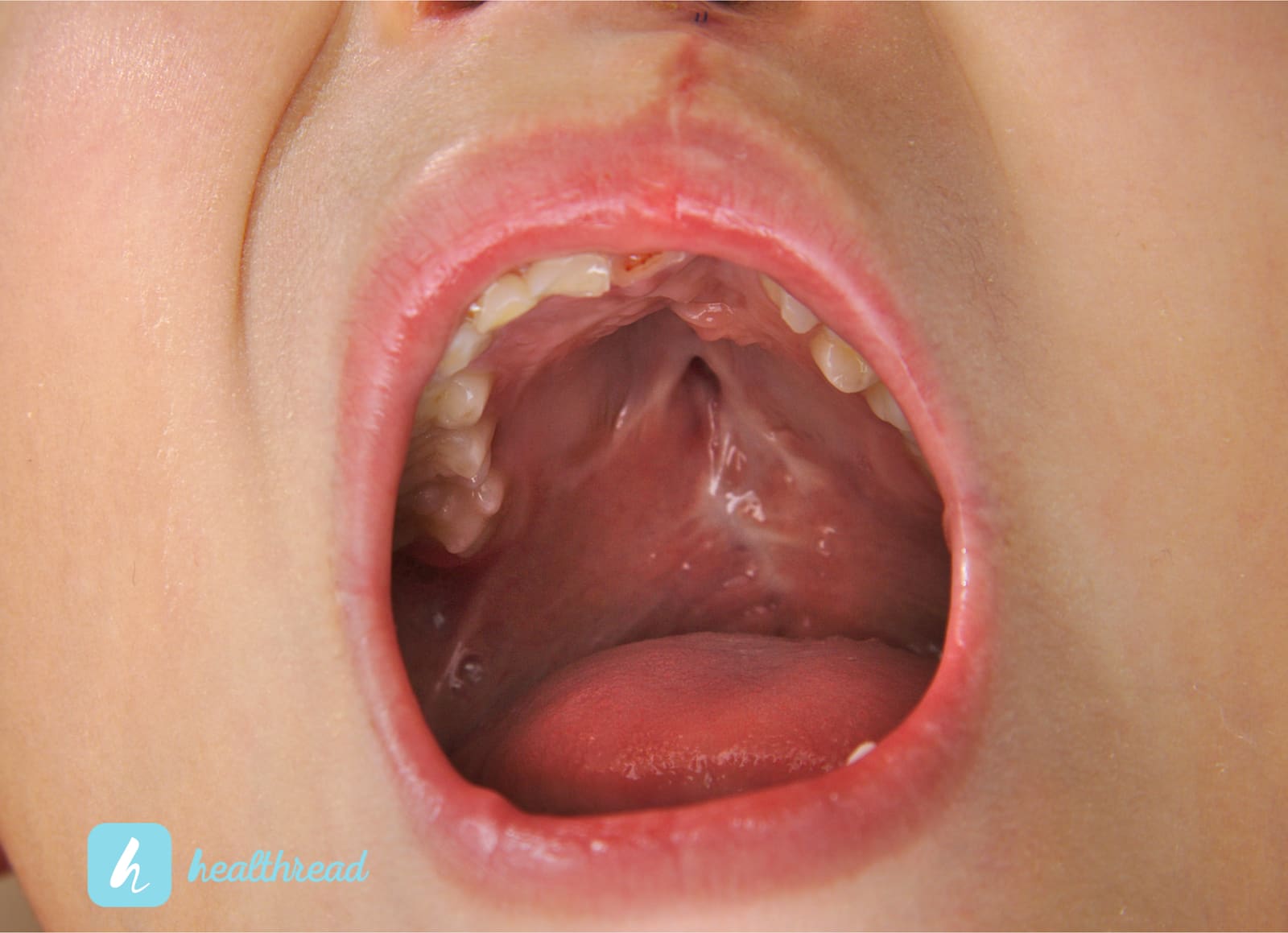
Cleft lip and cleft palate are among the most common types of birth defects. Classified as craniofacial disorders or orofacial defects, these conditions develop when a baby's lips and/or palate (roof of the mouth) do not fully develop properly while the baby is still in the womb. This leads to the appearance of an opening or slit in the lip, palate, or both.
Knowing your baby has a cleft lip or cleft palate can inspire many worries and concerns. If you're planning to have a baby, it's helpful to learn more about this condition and understand how you can prevent it.
1. Cleft Lip and Palate is More Common Thank You Think
Cleft lip and cleft palate are two separate birth defects that often occur together. In the United States, fewer than 1 percent of babies are born with cleft lip and palate each year. Still, this means about 1 in every 1,600 babies are affected by these birth defects.
2. Cleft Lip and Cleft Palate Can Be Diagnosed Before Birth
Using ultrasound machines, which use sound to create images of human tissues, doctors can often diagnose cleft lip or cleft palate before a baby is born. Some types of cleft lip or cleft palate defects are not detected until after birth or sometimes a bit later in life.
3. There Are Risk Factors for Cleft Lip and Cleft Palate
There is still a lot to know about why cleft lip and cleft palate happen. Through research, we have identified certain risk factors that may increase the risk of having a baby born with a cleft lip or cleft palate. These risk factors include:
- Family history of cleft lip and palate
- Moms who smoke during pregnancy
- Moms who are obese during pregnancy
- Moms who have diabetes before they become pregnant
- Certain medications taken during pregnancy, including topiramate or valproic acid (for epilepsy) taking within the first trimester
Some research, including a 2012 study published in the British Journal of Medical Practice, suggests that moms who don't take enough folic acid within the first three months of pregnancy may also be more likely to have a baby born with a cleft lip or cleft palate. Folic acid is a synthetic form of folate, an important B vitamin that is best known for reducing the risk of neural tube defects, such as spinal bifida.
4. Cleft Lip and Palate Can Cause Complications
Cleft lip and palate can be severely disfiguring and lead to a variety of complications. For parents, the stress and financial strain of caring for a child with a birth defect can be intense. For the child, a cleft lip and palate may lead to issues such as:
- Problems breastfeeding
- Speech problems
- Dental problems
- Hearing loss and more frequent ear infections
- Emotional and behavioral problems as a result of the challenge of having a disfiguring medical condition
5. Cleft Lip is Treatable
Cleft lip and palate defects range significantly in terms of severity. In most cases, surgery to repair the cleft lip or palate is recommended within the first year of life; surgery is an effective way to improve the appearance and function of a child's face and mouth. Sometimes, additional surgeries are required as a child gets older.
If a child has other complications or health problems as a result of their cleft lip and palate, proper treatment of these issues will be important as well. For instance, many children with cleft lip and palate will require specialized dental care or speech therapy.
Want to Learn More About Cleft Lip and Palate?
If you have a child with cleft lip and palate and are looking for support, find it among your fellow readers on our Healthread app today. You can also connect with resources near you area by searching on the Cleft Lip and Palate Association.
Sources
- 1cdc.gov/ncbddd/birthdefects/cleftlip.html
- 2mayoclinic.org/diseases-conditions/cleft-palate/symptoms-causes/syc-20370985
- 3clapa.com
- 4hopkinsmedicine.org/news/media/releases/do_your_research_with_cleft_palate_on_the_rise_parents_should_know_what_to_expect
- 5bmj.com/content/345/bmj.e4614
- 6marchofdimes.org/complications/cleft-lip-and-cleft-palate.aspx
General information, not medical advice
This article can't account for your health history or current treatment. Talk to a qualified clinician before you change anything about your care.
Read our medical disclaimer →
On this page
1. Cleft Lip and Palate is More Common Thank You Think
2. Cleft Lip and Cleft Palate Can Be Diagnosed Before Birth
3. There Are Risk Factors for Cleft Lip and Cleft Palate
4. Cleft Lip and Palate Can Cause Complications
5. Cleft Lip is Treatable
Want to Learn More About Cleft Lip and Palate?
Sources
Put what you read to work
Track your medicines, check a symptom and talk with people managing the same condition, all in Healthread.
Get the app
Keep reading

Beauty and Anti-Aging
Gastric Balloon for Weight Loss
The gastric balloon weight loss procedure is a new FDA-approved minimally invasive bariatric procedure for treating obesity. It is a temporary procedure that involves placing a saline-filled silicone balloon in the…
June 19, 2025 · 3 min read

Beauty and Anti-Aging
Vitamin D Deficiency
Also known as the sunshine vitamin, vitamin D is an essential nutrient that is naturally absorbed by the skin through exposure to sunlight. It can also be obtained from dietary sources and supplements.
December 30, 2024 · 3 min read

Cancer-Updates
Gynecologic Cancer
Gynecologic cancer is a term used to describe a group of cancers that affect the female reproductive system. There are five types of gynecologic cancers named after the body part where they start.
November 5, 2024 · 3 min read


© 2026 Healthread
English · Español
Healthread does not provide medical advice, diagnosis or treatment. Always speak to a qualified clinician about your care.