

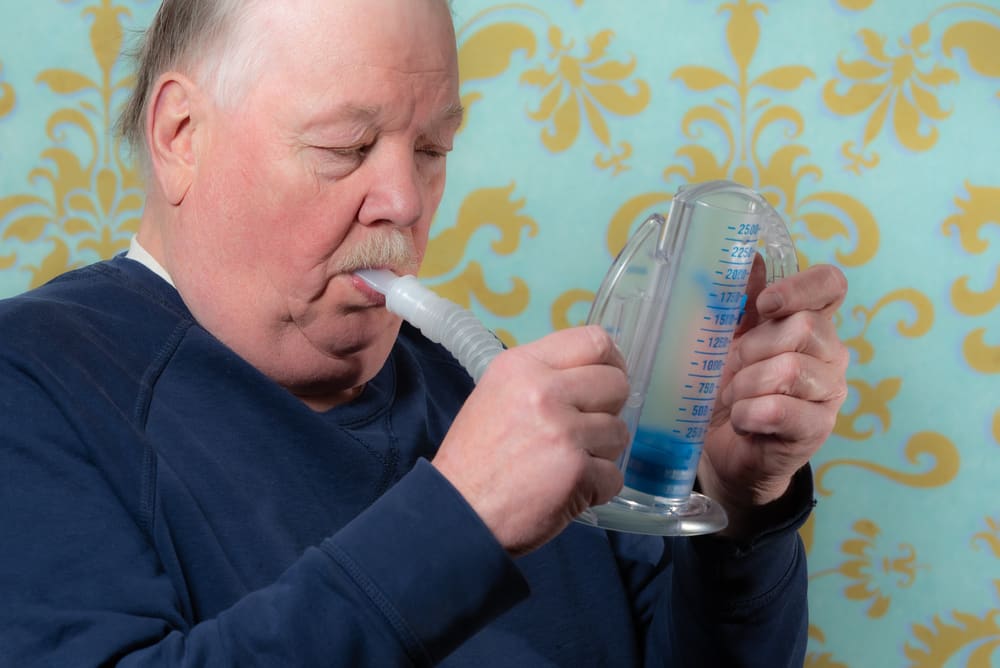
Chronic obstructive pulmonary disease, or COPD, is a chronic lung disease. In many cases, it is preventable and treatable.
What Is COPD?
When you breathe in, air travels down the trachea (windpipe) through two large tubes (bronchi) into your lungs. Once there, the bronchi divide into many smaller tubes called bronchioles. At the end of each bronchiole is a cluster of small air sacs called alveoli. The alveoli have very thin walls. These walls are full of tiny blood vessels.
As you breathe, the alveoli fill with air. Because the alveoli walls are so thin, oxygen from the air passes into the blood vessels. Carbon dioxide from cellular waste is exchanged to be sent out with your exhale. The bronchial tubes and alveoli are naturally elastic, allowing them to expand easily during each breath. For people with COPD, the airway and air sacs become stiffer and more brittle. This causes them to over-expand, leaving air trapped in your lungs every time you breathe.
There are several conditions that cause COPD. In emphysema, the walls forming the alveoli get destroyed. As you exhale, the tiny bronchioles (small tubes) collapse. This prevents you from fully expelling air from the lungs. Another cause of COPD is chronic bronchitis, in which the bronchial tubes become inflamed. The inflammation causes them to narrow, making it difficult to clear your airways. At the same time, your lungs produce more mucus. This can be uncomfortable and often causes a chronic cough as you try to expel the mucus. The most important risk factor for chronic obstructive pulmonary disease (COPD) is cigarette smoking. Exposure to air pollutants, working in industrial environments with airborne toxins, and certain genetic conditions can increase your risk for COPD.
Signs and Symptoms of COPD
In many cases, significant lung damage occurs before people develop the symptoms of COPD. Symptoms may begin gradually and worsen over time. That makes it very important to catch COPD in its earliest stages, before significant lung damage accumulates. The three cardinal symptoms of COPD are shortness of breath, chronic cough, and sputum production.
Common symptoms of COPD include:
· Shortness of breath that worsens with physical activity
· Tightness of the chest
· Wheezing
· A chronic cough that won’t go away; this may be a “productive” cough that produces mucus
· Poor energy
· Frequent respiratory infections
· Swelling in the extremities, particularly the ankles and feet
COPD significantly increases your risk of other medical problems. People with COPD are more vulnerable to respiratory infections such as the flu, common cold, or pneumonia. They also have higher risk of developing high blood pressure, lung cancer, and heart problems. In many cases, people with COPD develop depression due to the physical limitations that come along with the condition.
How COPD Is Diagnosed
If you have symptoms of COPD, visit your doctor immediately. Prompt treatment can help to slow the progression of the disease. Your doctor may recommend one or more of the following tests:
· Pulmonary (lung) function tests. This test requires you to blow into a large tube that measures how much air your lungs can hold. This helps your doctor understand whether your lungs send enough oxygen to the rest of the body.
· Chest X-ray. A chest X-ray shows signs of emphysema, one of the most common causes of COPD. It can also be helpful to rule out heart failure or other causes of breathing problems.
· CT scan. CT scans are useful to screen for lung cancer.
· Arterial blood gas analysis. The arterial blood gas analysis is a blood test that measures the ability of the lungs to bring in oxygenated blood and discard carbon dioxide.
· Genetic testing. If your provider suspects you may have a genetic form of COPD, a blood test can help to identify the genetic defect.
Treatment for COPD
The most important thing you can do for COPD treatment is to prevent the disease from worsening. That means quitting smoking immediately if you do so. Talk to your doctor about resources to help you quit, including nicotine replacement, psychotherapy, and medications like Wellbutrin. Staying physically active can also reduce your risk of developing COPD.
There are several treatments that can be helpful to ease symptoms of COPD, although most of the physical damage to your lungs may be irreversible. Bronchodilators and corticosteroids often come in inhaler form. Using these inhalers can help to increase the size of the airways when you have difficulty breathing. Other medications may also help you breathe more easily.
It is also important to pursue non-pharmacologic treatment. For example, pulmonary rehabilitation involves breathing exercises, nutrition planning, and other support. This can be extremely helpful to adjusting to the COPD diagnosis and your new limitations.
Resources
Learning about your chronic condition is the best way to take charge of your health and make positive lifestyle changes. Following are resources that can help you learn more about COPD and how to treat it.
Sources
General information, not medical advice
This article can't account for your health history or current treatment. Talk to a qualified clinician before you change anything about your care.
Read our medical disclaimer →
On this page
What Is COPD?
Signs and Symptoms of COPD
How COPD Is Diagnosed
Treatment for COPD
Resources
Sources
Put what you read to work
Track your medicines, check a symptom and talk with people managing the same condition, all in Healthread.
Get the app
Keep reading
Beauty and Anti-Aging
Gastric Balloon for Weight Loss
The gastric balloon weight loss procedure is a new FDA-approved minimally invasive bariatric procedure for treating obesity. It is a temporary procedure that involves placing a saline-filled silicone balloon in the…
June 19, 2025 · 3 min read
Beauty and Anti-Aging
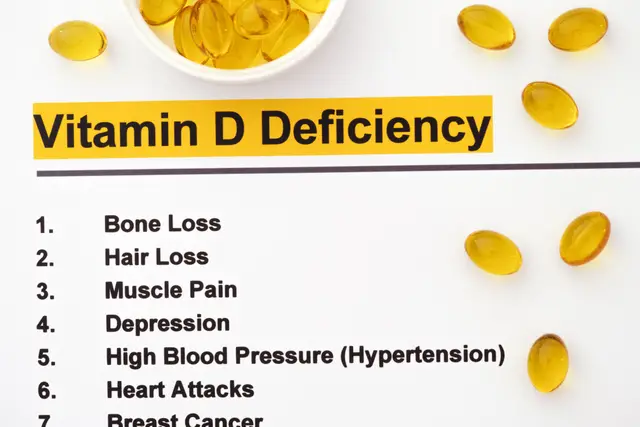
Vitamin D Deficiency
Also known as the sunshine vitamin, vitamin D is an essential nutrient that is naturally absorbed by the skin through exposure to sunlight. It can also be obtained from dietary sources and supplements.
December 30, 2024 · 3 min read
Cancer-Updates
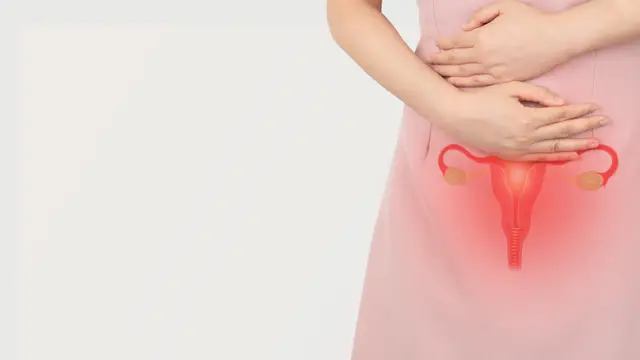
Gynecologic Cancer
Gynecologic cancer is a term used to describe a group of cancers that affect the female reproductive system. There are five types of gynecologic cancers named after the body part where they start.
November 5, 2024 · 3 min read


© 2026 Healthread
English · Español
Healthread does not provide medical advice, diagnosis or treatment. Always speak to a qualified clinician about your care.