

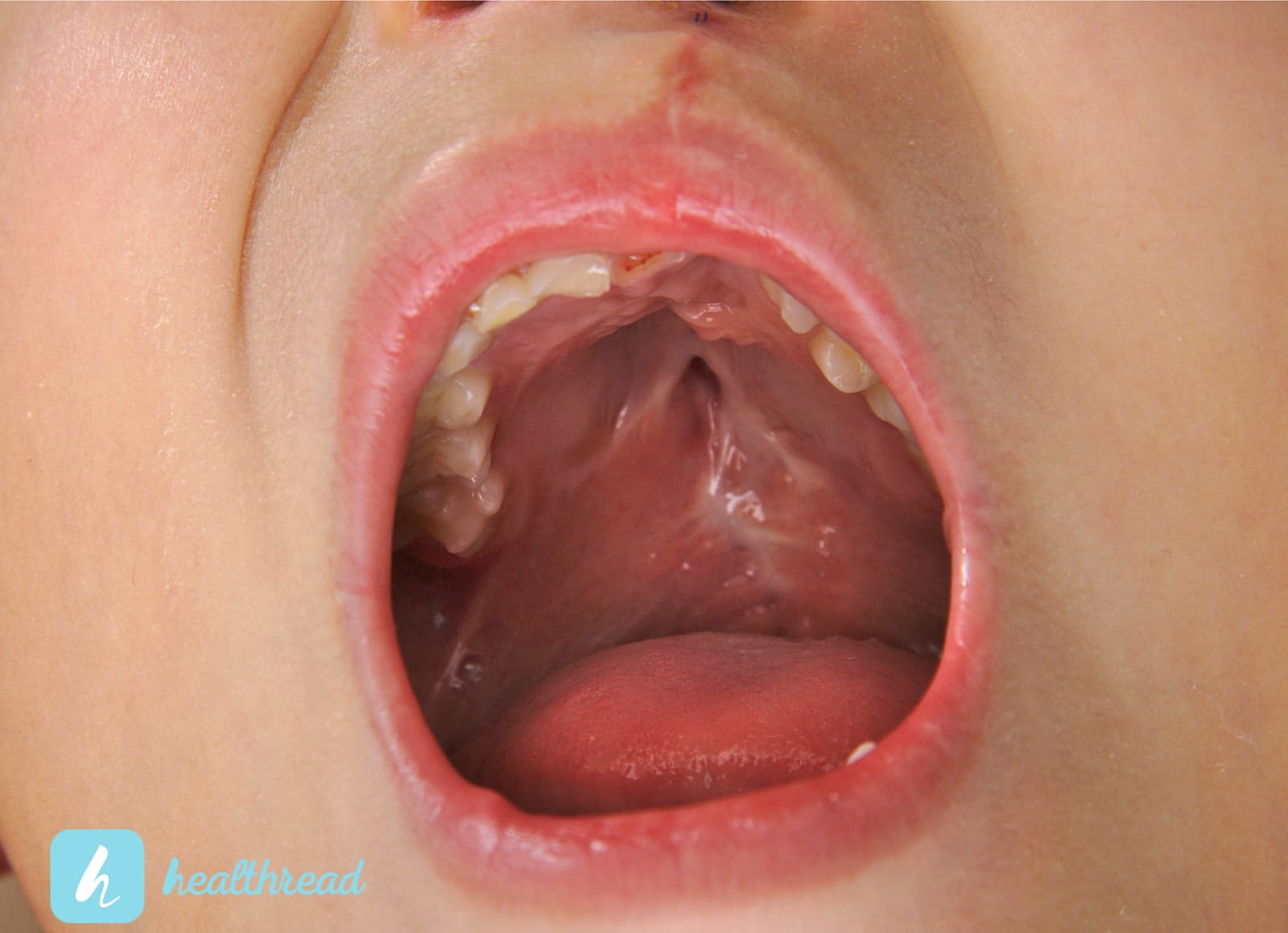
Craniofacial disorders (sometimes called craniofacial anomaly or difference) are a group of conditions, typically present at birth, that affect the face and head. These disorders can range from mild to severe, and can be distressing initially for parents and loved ones to see in their children.
Keep reading to learn more about craniofacial disorders and where you can find support and resources.
Types of Craniofacial Disorders
Certain craniofacial disorders are quite common, while others are considered extremely rare. Some of the most well-known craniofacial disorders include:
- Cleft lip and palate: an opening in the roof of the mouth and/or lip
- Craniosynostosis: premature closing of soft spots in an infant's skull
- Hemifacial microsomia: bones on one side of the face are underdeveloped
Some conditions may be categorized as craniofacial disorders even though they do not directly involve the bones of the head and skull. These include:
- Vascular malformations: birthmark or growth made up of blood vessels that may cause functional or cosmetic issues
- Hemangioma: abnormally growing blood vessel in the skin present at birth or appearing within the first months after birth (aka port wine stain)
Another type of craniofacial disorder, called deformational plagiocephaly (positional skull deformity), leads to flattening on one side of the skull and a misshapen head due to repeated pressure on the same area of the infant's head. This can happen if a baby constantly sleeps in the same position or has trouble moving its head. Deformational plagiocephaly may be thought of as an acquired craniofacial disorder, because it develops after birth. It is different from craniosynostosis because the skull bones do not abnormally fuse together.
Craniofacial disorders often co-occur in the setting of specific genetic conditions or syndromes, such as Apert syndrome, Crouzon syndrome, Pfeiffer syndrome, Pierre Robin syndrome, and Kleeblattschadel syndrome. Depending on the type and severity of a craniofacial disorder, an infant may experience complications associated with their disorder, ranging from breathing, speech, and eating problems to neurological issues due to impaired brain growth.
Why Do Craniofacial Disorders Occur?
Craniofacial disorders happen because bones inside an infant's face and/or skull fuse incorrectly or too early. Doctors and researchers are still learning about why this might happen, but some risk factors have been identified in the research, including:
- Maternal obesity during pregnancy
- Maternal diabetes prior to pregnancy
- Family history of craniofacial disorders
- Inherited genes
- Exposure to certain medications, alcohol, and/or cigarettes during pregnancy
- Folic acid deficiency in pregnancy
Sometimes, craniofacial abnormalities can develop even without a clear cause.
Treatment Options for Craniofacial Disorders
Treatment for a craniofacial disorder is highly individualized and depends on factors like the severity of the deformity and whether a child has other complications or health conditions.
In cases where a craniofacial disorder significantly impacts a child's function, appearance, and/or quality of life, surgery may be recommended. Surgeries to correct craniofacial disorders are performed by highly trained specialists, including pediatric neurosurgeons and pediatric craniofacial plastic surgeons. These surgeries can be complex and require various hardware or implants to help stabilize, reshape, and protect a child's skull, facial bones, and brain.
Other types of craniofacial disorders may be treated with less invasive surgeries or non-invasive interventions, like the use of special helmets to help guide a child's skull bones as they grow.
Because infants' brains and skulls growly rapidly, it's best to seek professional help as soon as possible, if not immediately after birth. Early consultation with a medical team may help improve a child's outcomes and increase the availability of treatment options.
Does Your Child Have a Craniofacial Disorder?
Having a child with a craniofacial disorder can come with a lot of challenging experiences. If you're looking for support from parents who can relate to your experience, explore the many resources available at the Children's Craniofacial Association or reach out to other parents on our Healthread app.
Sources
- 1ccakids.org/resources.html
- 2hopkinsmedicine.org/health/conditions-and-diseases/craniofacial-abnormalities
- 3hopkinsmedicine.org/health/conditions-and-diseases/deformational-plagiocephaly
- 4childrenshospital.org/conditions-and-treatments/conditions/c/craniofacial-anomalies
- 5medlineplus.gov/craniofacialabnormalities.html
- 6stanfordchildrens.org/en/topic/default?id=overview-of-craniofacial-anomalies-90-P01830
General information, not medical advice
This article can't account for your health history or current treatment. Talk to a qualified clinician before you change anything about your care.
Read our medical disclaimer →
On this page
Types of Craniofacial Disorders
Why Do Craniofacial Disorders Occur?
Treatment Options for Craniofacial Disorders
Does Your Child Have a Craniofacial Disorder?
Sources
Put what you read to work
Track your medicines, check a symptom and talk with people managing the same condition, all in Healthread.
Get the app
Keep reading

Beauty and Anti-Aging
Gastric Balloon for Weight Loss
The gastric balloon weight loss procedure is a new FDA-approved minimally invasive bariatric procedure for treating obesity. It is a temporary procedure that involves placing a saline-filled silicone balloon in the…
June 19, 2025 · 3 min read

Beauty and Anti-Aging
Vitamin D Deficiency
Also known as the sunshine vitamin, vitamin D is an essential nutrient that is naturally absorbed by the skin through exposure to sunlight. It can also be obtained from dietary sources and supplements.
December 30, 2024 · 3 min read

Cancer-Updates
Gynecologic Cancer
Gynecologic cancer is a term used to describe a group of cancers that affect the female reproductive system. There are five types of gynecologic cancers named after the body part where they start.
November 5, 2024 · 3 min read


© 2026 Healthread
English · Español
Healthread does not provide medical advice, diagnosis or treatment. Always speak to a qualified clinician about your care.