

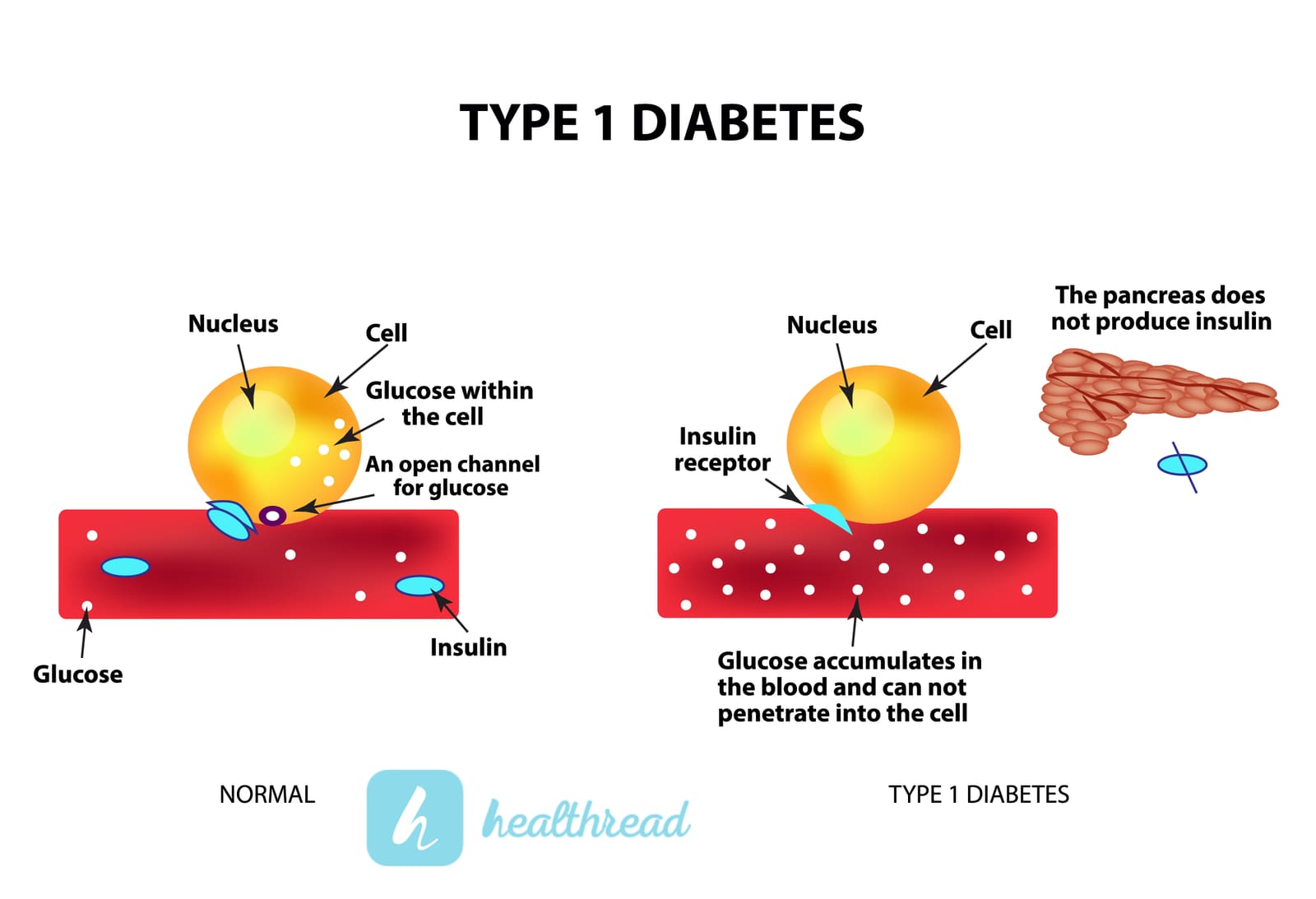
Whether you’re hearing of a diabetes diagnosis for your child or for yourself as an adult, there are many thoughts and fears associated with the word. Diabetes is a chronic disease that, when uncontrolled poses life-threatening risks.
There are three main types of diabetes. They are:
- 1.Type I diabetes
- 2.Type II diabetes
- 3.Gestational diabetes
Gestational diabetes is a temporary condition that is often identified between the 24th and 28th week of pregnancy. It usually ends by six to 12 weeks after the baby is born. Women who have gestational diabetes while pregnant experience a heightened risk of developing type II diabetes later in life. While this form of diabetes only affects women, the other two types are equal opportunity offenders.
Many people view types I and II diabetes through a similar lens, but there are key differences between the two. One of the most important differences is preventability. There is currently no known method one can take to prevent type I diabetes. In contrast, type 2 diabetes can often be prevented and managed with lifestyle changes, physical activity, healthy diets, and other vital changes.
Type I Diabetes
Type I diabetes, which previously was referred to as juvenile diabetes, is usually diagnosed in children, teens, and young adults. The American Diabetes Association reports that almost 1.6 million people in the U.S. have type 1 diabetes.
People with type I diabetes have immune systems that seek out and destroy the beta cells in the pancreas that are responsible for producing insulin, leaving their bodies unable to produce insulin on their own. In other words, it is an organ-specific autoimmune disease.
Treatment options for Type I diabetes include taking insulin, consistently monitoring blood sugar levels, regularly exercising, and counting carbohydrates, protein, and fat consumption.
Type I diabetes can impact life expectancy. According to Scottish researchers, the estimated life expectancy among patients at the age of 20 are diminished by 11 years for men and 13 years for women when compared to people who do not have type I diabetes.
While type II diabetes is becoming an increasingly widespread diagnosis at these ages, the one definitive way to determine whether a child, teen, or young adult has type I or type II diabetes is through the GAD antibodies test. If these antibodies are not present, it is unlikely you have type I diabetes.
Type II Diabetes
According to the CDC, between 90 and 95 percent of people living with diabetes have type II diabetes. This condition develops over the course of many years and is most often diagnosed in adulthood (though, as mentioned before, it is becoming increasingly common for children, teens, and young adults to be diagnosed with type II diabetes).
Unlike type I diabetes which is an autoimmune disease, type II diabetes occurs when the body still produces insulin, but is no longer able to use it effectively. While there is some mystery as to why some people develop insulin resistance when others do not, there are some factors that may contribute, such as:
- Genetics
- Lifestyle
- Inactivity
- Diet
- Weight distribution (people with abundant belly fat experience greater risk)
- Obesity
- Age
For both type I and type II diabetes, you can live with these conditions for long amounts of time without any obvious symptoms. Once symptoms begin to manifest, they often include one or more of the following:
- Excessive thirst (drinking a lot)
- Frequent urination
- Increased hunger
- Excessive fatigue
- Blurry vision
- Wounds, cuts, and sores that do not heal properly
- Unintentional weight loss
- Irritability and mood changes
If you’re experiencing these symptoms or have been diagnosed with type I or type II diabetes, it is important to understand that treatment methods and technology have improved to the point the condition is much easier to manage, monitor, and live with than in the past. Follow the recommendations of your physician as you work together to find the right balance of insulin, diet, and exercise to keep your diabetes under control and well-managed.
Looking to Better Manage Your Diabetes?
Subscribe to Healthread to find and connect with others like you who are looking for ways to improve their diabetes. Plus, read articles on diabetes to help you to learn more about the condition.
As a collaborative social media platform, Healthread brings people together to share information and insight about similar health interests and problems, including diabetes. You can share your unique diabetes story, lean on other people for support, and talk about what has — and hasn’t worked for you in managing your diabetes.
You access Healthread through the web or smartphone app. You can read articles about health, create posts, follow others in the diabetes group, talk in direct messages. or in thematic chat groups, and share your experience all on Healthread.
Additional Healthread Diabetes Articles
Diabetes and Vision Impairment
Diabetes Mellitus- Adult onset
Juvenile Diabetes Mellitus
Kidney Disease and Diabetes
Gestational Diabetes: Prevalence and Risk Factors
Diet Choices for Type 2 Diabetes
Diabetes - Current Management Strategies
General information, not medical advice
This article can't account for your health history or current treatment. Talk to a qualified clinician before you change anything about your care.
Read our medical disclaimer →
On this page
Type I Diabetes
Type II Diabetes
Looking to Better Manage Your Diabetes?
Additional Healthread Diabetes Articles
Diabetes and Vision Impairment
Diabetes Mellitus- Adult onset
Juvenile Diabetes Mellitus
Kidney Disease and Diabetes
Gestational Diabetes: Prevalence and Risk Factors
Diet Choices for Type 2 Diabetes
Diabetes - Current Management Strategies
Put what you read to work
Track your medicines, check a symptom and talk with people managing the same condition, all in Healthread.
Get the app
Keep reading

Beauty and Anti-Aging
Gastric Balloon for Weight Loss
The gastric balloon weight loss procedure is a new FDA-approved minimally invasive bariatric procedure for treating obesity. It is a temporary procedure that involves placing a saline-filled silicone balloon in the…
June 19, 2025 · 3 min read
Beauty and Anti-Aging
Vitamin D Deficiency
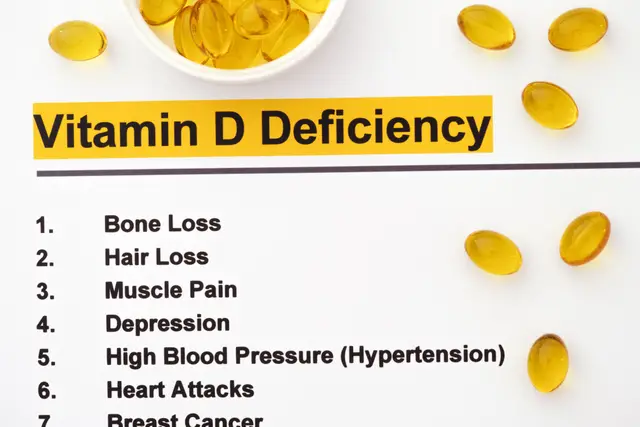
Also known as the sunshine vitamin, vitamin D is an essential nutrient that is naturally absorbed by the skin through exposure to sunlight. It can also be obtained from dietary sources and supplements.
December 30, 2024 · 3 min read

Cancer-Updates
Gynecologic Cancer
Gynecologic cancer is a term used to describe a group of cancers that affect the female reproductive system. There are five types of gynecologic cancers named after the body part where they start.
November 5, 2024 · 3 min read


© 2026 Healthread
English · Español
Healthread does not provide medical advice, diagnosis or treatment. Always speak to a qualified clinician about your care.