

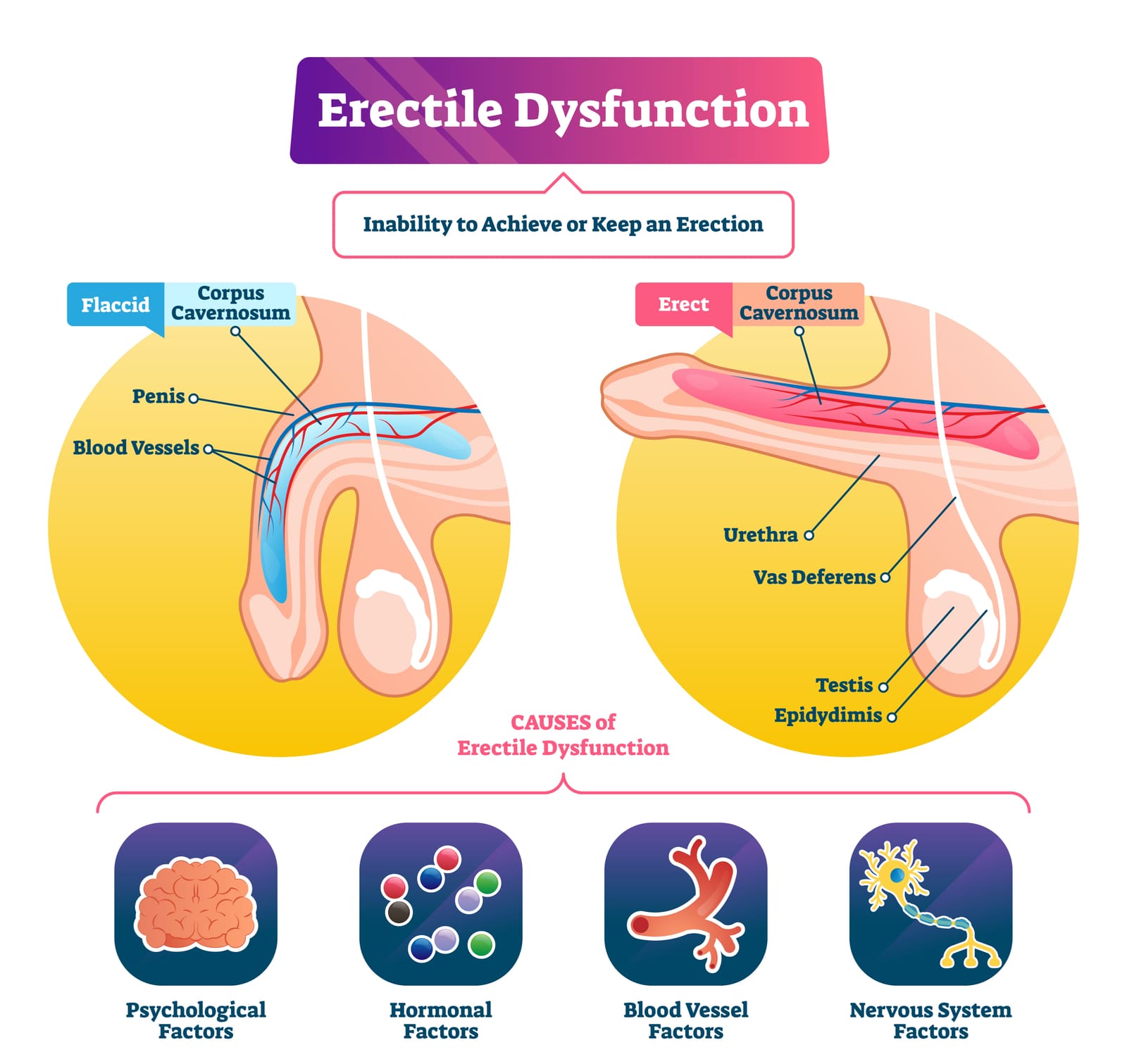
For men, erectile dysfunction (ED) is one of the more embarrassing and frustrating medical issues to discuss with their doctors. But if you or someone you know struggles with it, you shouldn't let embarrassment keep you from bringing it up. Erectile dysfunction is often associated with potentially serious health problems, so it's important to get it checked out.
Plus, treatments are available! Keep reading to learn about the causes of ED and what can be done about it.
Possible Causes of Erectile Dysfunction (Some May Surprise You!)
Also known as impotence, erectile dysfunction happens when a man is unable to maintain or keep an erection. Mild to moderate erectile dysfunction affects about half of men in their 50s, and prevalence increases by 10 percent every decade of life thereafter.
Getting an erection involves the complex interaction between a man's brain, hormones, nerves, muscles and circulation, and dysfunction of any one of these elements may lead to ED. According to Mayo Clinic, there are a large number of physical and psychological issues that may lead to erectile dysfunction, including:
- High blood pressure
- Heart disease (ED is often a man's first warning sign of heart disease)
- Atherosclerosis (hardening of the arteries)
- Diabetes
- Obesity
- Metabolic syndrome (high blood pressure, high insulin, high cholesterol, and increased abdominal body fat)
- Parkinson's disease
- Multiple sclerosis
- Some medications
- Tobacco use
- Peyronie's disease (the abnormal development of scar tissue inside the penis)
- Alcohol use disorder and other types of substance abuse
- Sleep disorders
- Spinal cord injuries
- Injuries to the pelvis or penis itself
- Low testosterone
- Mental health disorders including depression and anxiety
- Relationship problems
- Stress
Erectile dysfunction may also be a side effect of certain treatments for prostate cancer or an enlarged prostate.
Preventing and Treating Erectile Dysfunction
Having the occasional difficulty getting or maintaining an erection is not necessarily abnormal. But if you or your loved one frequently struggle with ED, talking to a doctor is a good next step. Your doctor can help you confirm a diagnosis of ED, figure out what underlying factors are leading to your symptoms, and help you find a solution.
Since many of the contributing factors to ED are lifestyle-related, there are things you can do to improve or prevent ED on your own. These include:
- Exercising
- Not smoking
- Keeping a healthy weight
- Eating a healthy diet
- Minimizing or eliminating the use of alcohol and other substances
- Reducing stress
- Scheduling routine check-ups with a primary care doctor (especially to review or adjust your list of medications and have your blood work checked for things like cholesterol and blood sugar levels)
Taking care of your mental health and properly managing other underlying health conditions is also important. In addition to making these positive lifestyle changes, you and your doctor may also decide to explore some specific treatment options, including oral or injectable medications, hormone replacement therapy, and penile implants or penis pumps.
Is Erectile Dysfunction Impacting Your Life?
Let's normalize discussions about sexual health! If you or someone you know struggles with erectile dysfunction, know that help is out there. You can also share your own story or learn from others' experiences by subscribing to Healthread and getting involved with our community discussions today.
Sources
General information, not medical advice
This article can't account for your health history or current treatment. Talk to a qualified clinician before you change anything about your care.
Read our medical disclaimer →
On this page
Possible Causes of Erectile Dysfunction (Some May Surprise You!)
Preventing and Treating Erectile Dysfunction
Is Erectile Dysfunction Impacting Your Life?
Sources
Put what you read to work
Track your medicines, check a symptom and talk with people managing the same condition, all in Healthread.
Get the app
Keep reading
Beauty and Anti-Aging
Gastric Balloon for Weight Loss
The gastric balloon weight loss procedure is a new FDA-approved minimally invasive bariatric procedure for treating obesity. It is a temporary procedure that involves placing a saline-filled silicone balloon in the…
June 19, 2025 · 3 min read
Beauty and Anti-Aging
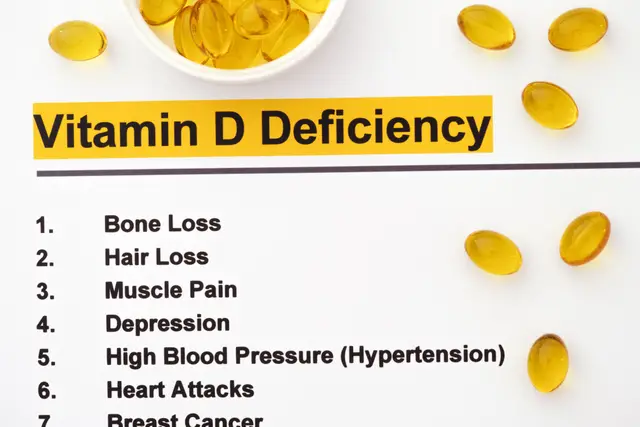
Vitamin D Deficiency
Also known as the sunshine vitamin, vitamin D is an essential nutrient that is naturally absorbed by the skin through exposure to sunlight. It can also be obtained from dietary sources and supplements.
December 30, 2024 · 3 min read
Cancer-Updates
Gynecologic Cancer
Gynecologic cancer is a term used to describe a group of cancers that affect the female reproductive system. There are five types of gynecologic cancers named after the body part where they start.
November 5, 2024 · 3 min read


© 2026 Healthread
English · Español
Healthread does not provide medical advice, diagnosis or treatment. Always speak to a qualified clinician about your care.