

Fibromyalgia and Similarities to other disease RA, MS, Lupus etc
November 22, 2020
3 min read
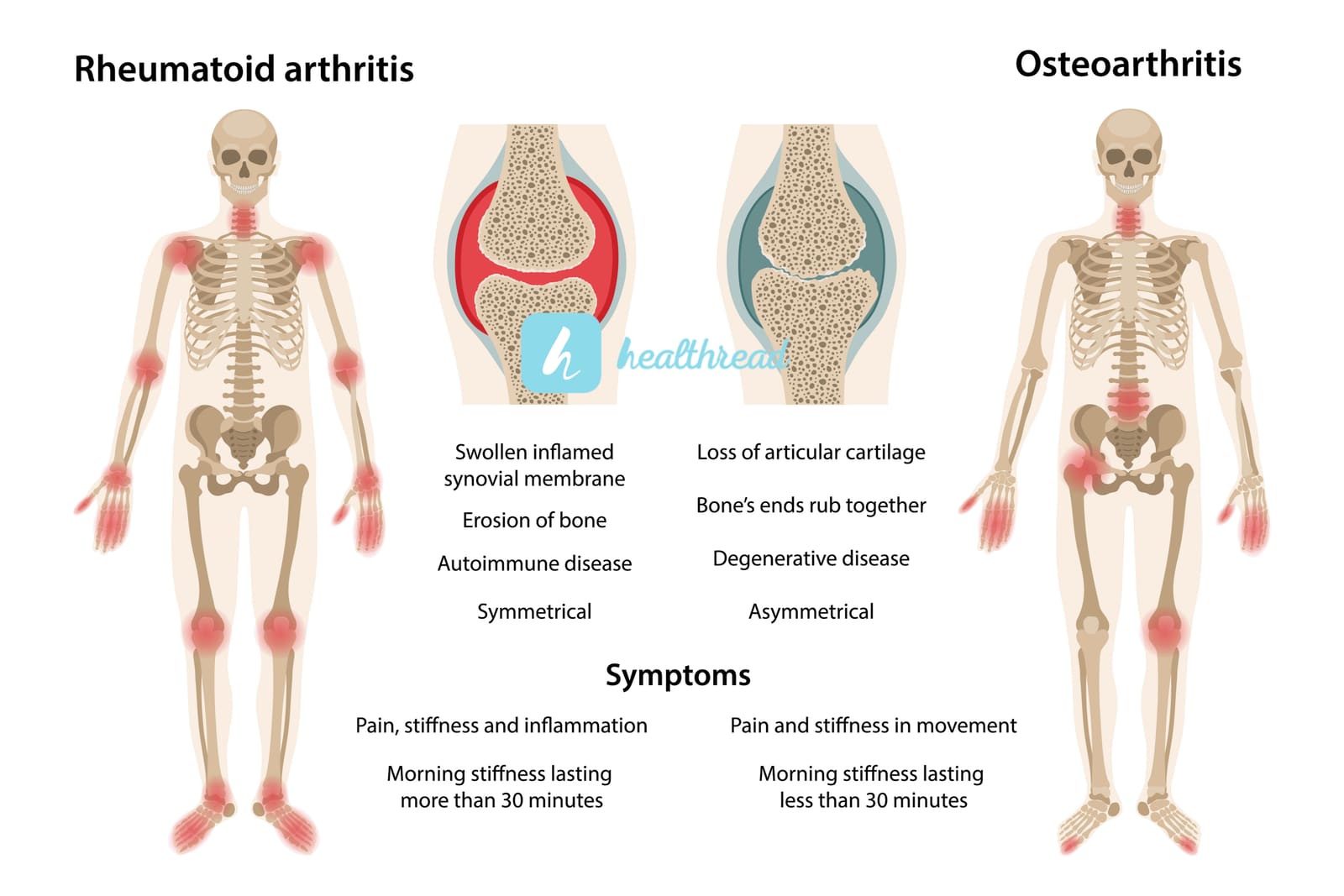
According to the U.S. Centers for Disease Control and Prevention, about 4 million Americans (2 percent of the adult population) have fibromyalgia. This a chronic condition hallmarked by a collection of symptoms including widespread aches and pains throughout the body. It's thought that fibromyalgia occurs when the nervous system processes nerve signals in an unusual way that ultimately increases the sensation of pain.
Interestingly, several recent studies suggest a link between fibromyalgia and autoimmune conditions like multiple sclerosis, rheumatoid arthritis (RA), and systemic lupus erythematosus or lupus (SLE). Right now, at least 80 autoimmune conditions have been identified. What they all share in common is that a person's own immune system mistakenly attacks and destroys its own tissues and cells.
Could it be that fibromyalgia could be related to some sort of autoimmune dysfunction?
5 Things to Know About Fibromyalgia and Autoimmune Disorders
Doctors are still learning about the potential link between fibromyalgia and autoimmune diseases, and right now there isn't enough research to classify fibromyalgia as an autoimmune disorder. But there are several interesting things already revealed by the research we do have:
1. Certain autoimmune conditions are considered risk factors for fibromyalgia—or vice versa.
The CDC states people with lupus or rheumatoid arthritis are more likely to be diagnosed with fibromyalgia. And 2018 research from the University of British Columbia found that fibromyalgia was three times more common in people who were eventually diagnosed with MS.
2. Both autoimmune diseases and fibromyalgia affect genders differently.
Studies indicate that fibromyalgia and autoimmune conditions like lupus, RA, and MS are more common in women. According to a 2008 paper in The American Journal of Pathology, out of the 8 percent of American people living with autoimmune conditions, nearly 80 percent of them are women. Meanwhile, women are about twice as likely as men to be diagnosed with fibromyalgia, according to the CDC.
3. Fibromyalgia and autoimmune conditions share many of the same signs and symptoms.
As noted by the CDC, people with fibromyalgia often report widespread pain, tenderness, joint stiffness, fatigue, achiness, jaw pain, headaches, and migraines. They may also experience disturbed sleep, concentration, and mood, and unusual sensations like tingling and numbness in fingers, hands, toes, and feet.
Every one of these signs and symptoms has been reported in people with MS, RA, lupus, and other autoimmune conditions. Both people with fibromyalgia and autoimmune conditions also appear to be more likely to have digestive problems like constipation, bloating, abdominal pain, and irritable bowel syndrome.
4. Treatment and management of these conditions are also similar.
Autoimmune diseases and fibromyalgia are generally considered chronic and require individualized care to improve a patient's quality of life and function while minimizing their symptoms. Doctors frequently prescribe treatments such as medications, cognitive behavioral therapy, physical therapy, dietary interventions, and exercise to help people live well when diagnosed with either condition.
5. Fibromyalgia and autoimmune dysfunction may both be on the rise.
While some autoimmune disorders seem to be declining in certain parts of the world, growing research suggests that these types of conditions are becoming more prevalent overall. We need more research to figure out if fibromyalgia is also becoming more common, but we do know its prevalence increases with advancing age.
Many factors can influence whether and why a disease becomes more prevalent in society, including better diagnostic and screening tools, increased awareness, and the cumulative and increasing effects of certain risk factors, such as environmental toxins and the rise in obesity and other chronic health conditions.
If researchers someday conclude that fibromyalgia is also an autoimmune condition, then it would make sense why factors that influence the risk of autoimmune dysfunction would also influence the risk of fibromyalgia. But at this point, it's simply too early to know for sure.
In the meantime, doctors must continue to make their best evidence-informed clinical decisions and work with patients to find sustainable plans of care no matter what condition they're facing.
Do You Or Someone You Know Have Fibromyalgia?
At Healthread, we want to hear about your health experiences. Why? Because it helps create a supportive community of people from all over the world who can relate to what you or your loved ones are going through.
We invite you to reach out to your fellow readers today with your stories about fibromyalgia or autoimmune conditions. You may have more in common than you'd expect!
Sources
General information, not medical advice
This article can't account for your health history or current treatment. Talk to a qualified clinician before you change anything about your care.
Read our medical disclaimer →
On this page
5 Things to Know About Fibromyalgia and Autoimmune Disorders
1. Certain autoimmune conditions are considered risk factors for fibromyalgia—or vice versa.
2. Both autoimmune diseases and fibromyalgia affect genders differently.
3. Fibromyalgia and autoimmune conditions share many of the same signs and symptoms.
4. Treatment and management of these conditions are also similar.
5. Fibromyalgia and autoimmune dysfunction may both be on the rise.
Do You Or Someone You Know Have Fibromyalgia?
Sources
Put what you read to work
Track your medicines, check a symptom and talk with people managing the same condition, all in Healthread.
Get the app
Keep reading

Beauty and Anti-Aging
Gastric Balloon for Weight Loss
The gastric balloon weight loss procedure is a new FDA-approved minimally invasive bariatric procedure for treating obesity. It is a temporary procedure that involves placing a saline-filled silicone balloon in the…
June 19, 2025 · 3 min read
Beauty and Anti-Aging
Vitamin D Deficiency
Also known as the sunshine vitamin, vitamin D is an essential nutrient that is naturally absorbed by the skin through exposure to sunlight. It can also be obtained from dietary sources and supplements.
December 30, 2024 · 3 min read

Cancer-Updates
Gynecologic Cancer
Gynecologic cancer is a term used to describe a group of cancers that affect the female reproductive system. There are five types of gynecologic cancers named after the body part where they start.
November 5, 2024 · 3 min read


© 2026 Healthread
English · Español
Healthread does not provide medical advice, diagnosis or treatment. Always speak to a qualified clinician about your care.