

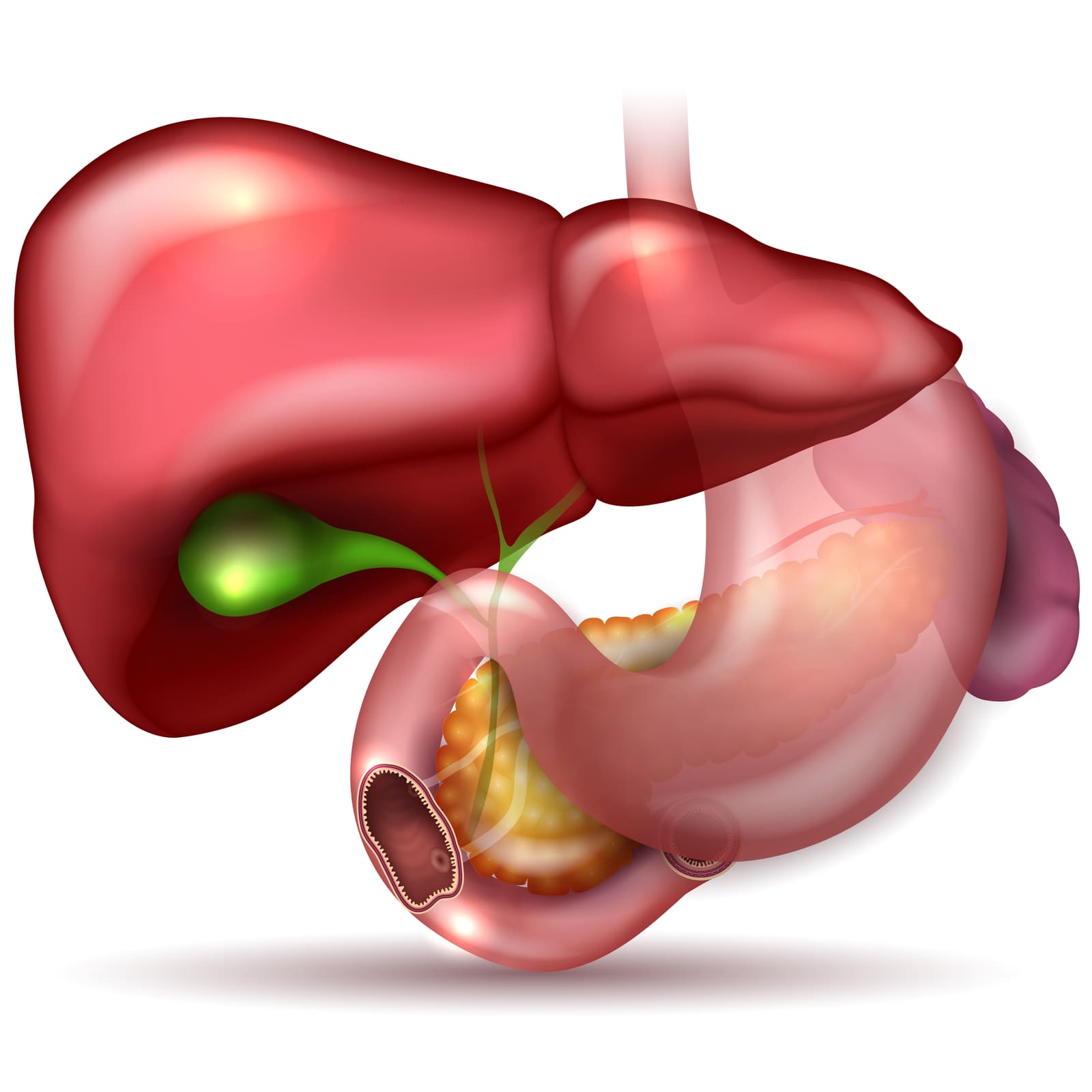
The gallbladder is a pear-shaped, small organ located in the upper right quadrant of the abdomen. The liver is responsible for producing bile, which is a key digestive fluid. The gallbladder is responsible for collecting and storing the bile until it is ready to be used during digestion.
Nearly 700,000 people in the United States alone experience significant gallbladder issues, requiring them to undergo surgery to remove the gallbladder.
What is a cholecystectomy?
A cholecystectomy is a surgical treatment that involves the skilled removal of one’s gallbladder under general anesthesia. Removal of the gallbladder is a routine surgery that is commonly performed when a person has gallstones, infection, inflammation, or other issues that can create serious damage. There are two surgical approaches used when removing a person’s gallbladder — open and laparoscopic.
What is a laparoscopic cholecystectomy?
During a laparoscopic cholecystectomy, a surgeon will make 3 to 4 small incisions in predetermined locations on the abdomen. Through these incisions, small tools are inserted, including a laparoscope (camera), a suction catheter, and small pincher tools. The camera is displayed on a larger television monitor to allow the surgeon to view the body from within and carefully remove the gallbladder through one of the incisions.
What is an open cholecystectomy?
When a laparoscopic approach is contraindicated, or there is significant infection or damage seen with the laparoscope, a surgeon performs an open cholecystectomy. This approach involves a 4 to 6-inch incision made alongside the upper right quadrant, allowing the surgeon to visualize the gallbladder for removal. An open cholecystectomy also allows the surgeon to clear any infection present in surrounding tissues without the need for additional procedures.
Why is the gallbladder removed?
Gallbladder removal is a commonly performed procedure. It may be indicated if you have gallstones if your gallbladder is inflamed, if the infection is present, or if your gallbladder is home to cancerous cells. Gallstones can wreak havoc on the body. If they are too large, the crystal stones can obstruct the flow of bile out of the gallbladder, leading to increased inflammation. Gallstones can also dislodge from the gallbladder and travel to other areas of the body, potentially causing serious problems.
Symptoms of gallbladder problems
It may be time to reach out to your healthcare provider if you experience:
- Pain in the upper right quadrant of the abdomen
- Pain on the right side that radiates to the back or right shoulder
- Pain that worsens after a meal
- Nausea
- Vomiting
- Fever
- Chills
- Jaundice (yellowing of the eyes or skin)
How to prepare for a cholecystectomy
Before surgery, you will undergo various testing including an abdominal ultrasound to visualize gallstones or inflammation, bloodwork to determine if the infection is present or if there are unseen concerns, and a urinalysis to detect the presence of certain enzymes that can alert to gallbladder disorders.
If your healthcare team agrees that it is medically necessary for your gallbladder to be removed through surgical means, you will be given strict instructions to follow in the hours before surgery. It is generally recommended to restrict food consumption at least 4 hours before surgery, but your doctor may suggest stopping food intake by midnight on the morning of your surgery. You may take a small sip of water to take medically necessary medications.
If you are a smoker, your doctor will talk to you about the risks associated with smoking and cholecystectomy and may advise you to quit.
What to expect after the gallbladder removal surgery
Those who undergo laparoscopic gallbladder removal, without complications, go home the same day of surgery and should have someone stay with them for the first 24 hours, but those who require an open cholecystectomy often require a 1-2 day stay in the hospital.
The small pear-shaped organ is not a vital organ and there are no major changes to the body after it is removed. It is recommended to avoid foods that are high in fat or fried immediately after surgery as they can lead to increased discomfort, gas, and bloating but the digestive system will remain to function as normal.
Have you had your gallbladder removed? Share your experience with other Healthread users.
General information, not medical advice
This article can't account for your health history or current treatment. Talk to a qualified clinician before you change anything about your care.
Read our medical disclaimer →
On this page
What is a cholecystectomy?
What is a laparoscopic cholecystectomy?
What is an open cholecystectomy?
Why is the gallbladder removed?
Symptoms of gallbladder problems
How to prepare for a cholecystectomy
What to expect after the gallbladder removal surgery
Put what you read to work
Track your medicines, check a symptom and talk with people managing the same condition, all in Healthread.
Get the app
Keep reading
Beauty and Anti-Aging
Gastric Balloon for Weight Loss
The gastric balloon weight loss procedure is a new FDA-approved minimally invasive bariatric procedure for treating obesity. It is a temporary procedure that involves placing a saline-filled silicone balloon in the…
June 19, 2025 · 3 min read
Beauty and Anti-Aging
Vitamin D Deficiency
Also known as the sunshine vitamin, vitamin D is an essential nutrient that is naturally absorbed by the skin through exposure to sunlight. It can also be obtained from dietary sources and supplements.
December 30, 2024 · 3 min read
Cancer-Updates
Gynecologic Cancer
Gynecologic cancer is a term used to describe a group of cancers that affect the female reproductive system. There are five types of gynecologic cancers named after the body part where they start.
November 5, 2024 · 3 min read


© 2026 Healthread
English · Español
Healthread does not provide medical advice, diagnosis or treatment. Always speak to a qualified clinician about your care.