

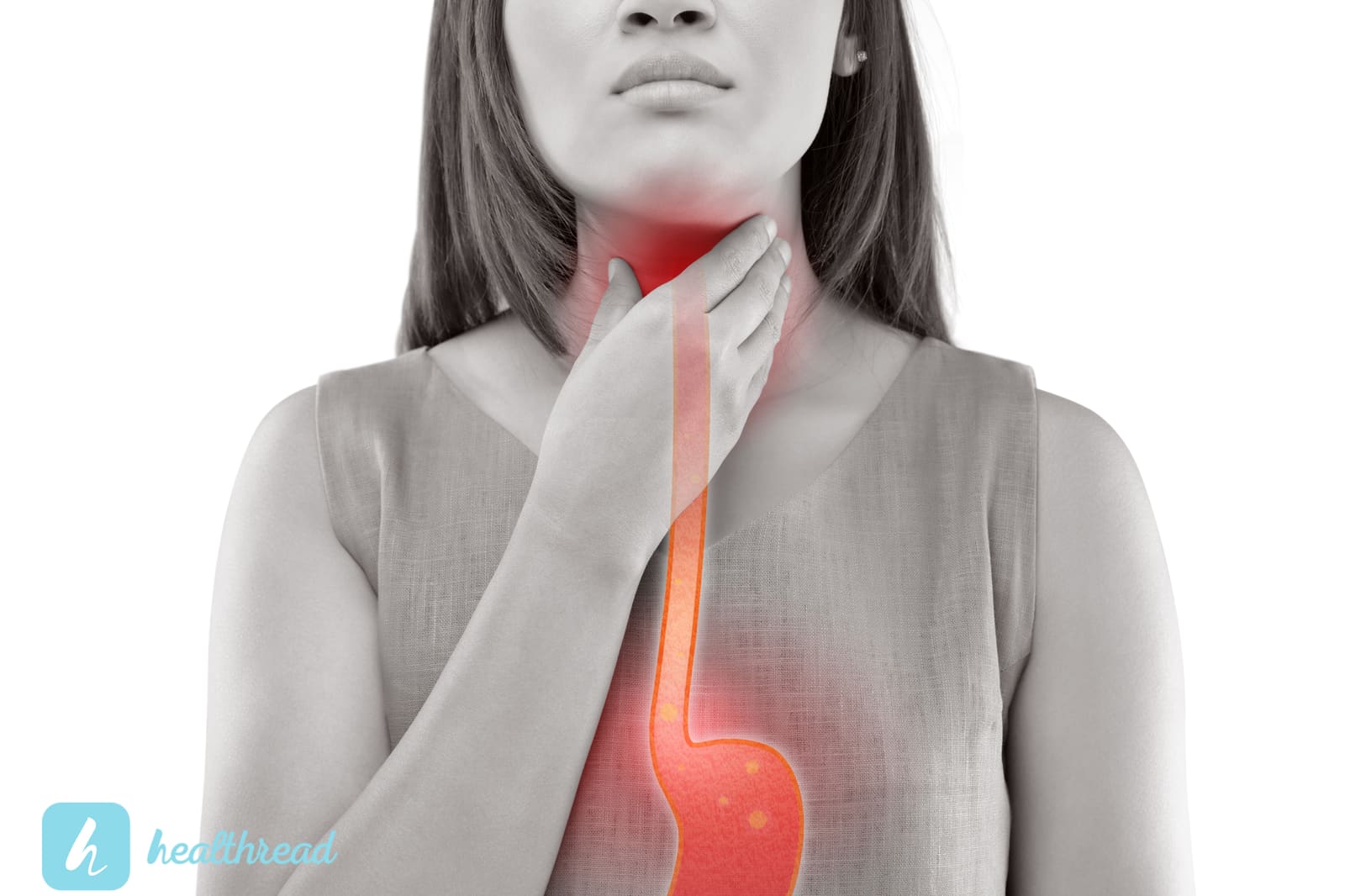
Roughly 20 percent of the population deals with Gastroesophageal Reflux Disease (GERD) on a regular basis.
GERD is caused by stomach acid flowing backward into the esophagus. That is the tube connecting the stomach and mouth. Acid reflux, as this backwash is known, irritates the esophageal lining.
After swallowing, the circular muscle around the esophagus’ bottom relaxes. The muscle is called the lower esophageal sphincter. When relaxed, food and liquid can proceed to the stomach. Once the substances have passed, the lower esophageal sphincter closes again.
However, a weak or abnormal sphincter does not close properly. This allows stomach acid to flow backward. Inflammation results when this backwash is constant.
Almost everyone has an occasional episode of acid reflux and heartburn. However, if these episodes prove more than occasional, occurring a few times a week for several weeks in a row, and you find yourself constantly taking over-the-counter heartburn medications, it is time to seek medical advice. Acid reflux may have progressed to chronic GERD.
Without prompt treatment, GERD can cause more serious issues.
Risk Factors
While anyone can develop GERD, including children, most people become symptomatic after age 40. Pregnant women may find themselves dealing with GERD as their fetuses grow.
Other risk factors include:
- Asthma – a significant risk factor
- Hiatal hernia
- Obesity
- Scleroderma or other connective tissue disorders
- Smoking
GERD Symptoms
While heartburn is a common GERD symptom, not everyone experiences it. Acid regurgitation is the primary symptom of GERD.
Other symptoms may include:
- Asthma
- Bad breath
- Cavities
- Chest pain
- Difficulty swallowing
- Dry cough
- Excessive saliva
- Feeling something stuck in the throat
- Gum inflammation
- Hoarseness
- Regurgitation of liquid or food
- Sore throat
GERD Diagnosis
The doctor takes a medical history and asks about symptoms. A physical examination is conducted.
Tests for GERD diagnosis include:
- Ambulatory acid (pH) test –determines the amount of acid in the esophagus
- Esophageal endoscopy –via a flexible tube and camera, photos are taken of the esophagus and stomach
- Esophageal impedance test –measuring substance movement in the esophagus
- Esophageal manometry – measuring muscle contractions when swallowing
- X-rays of the upper gastrointestinal tract
GERD Treatment
Dietary changes can improve or cure many GERD symptoms. Avoid the types of foods that contribute to GERD, such as anything spicy, fatty, or acidic. Abstain from alcohol, as it can trigger GERD.
There are foods that may trigger GERD in some individuals and not in others. When you suffer a GERD episode, take note of what foods may have contributed to your discomfort. Stay away from those foods and note whether symptoms improve.
Other tips include:
- Not eating near bedtime
- Always eat while upright
- Eating smaller rather than large meals
- Weight loss
- Not wearing tight clothing
- Not lying down for at least two hours after eating
- Limiting caffeine consumption
Many patients respond to over-the-counter medications for occasional GERD. These OTC drugs include antacids, H-2 receptor blockers such as cimetidine and famotidine (marketed as Tagamet HB and Pepcid AC, respectively), and proton pump inhibitors. The latter can decrease acid production and include omeprazole and lansoprazole, sold under the brand names Prilosec OTC and Prevacid 24HR.
For those with frequent GERD, the doctor may prescribe stronger drugs to keep it under control.
People with asthma are more prone to GERD because their breathing trouble may cause relaxation of the lower esophageal sphincter. This relaxation allows stomach contents to reflux more readily into the esophagus. Certain asthma medications can make GERD worse. That is especially true of theophylline. Ask your doctor if another medication is suitable for treating your asthma.
In some cases, surgery is necessary for symptom relief.
GERD Complications
Over time, chronic irritation may lead to complications. An esophageal ulcer may form. This open sore in the esophagus is painful and makes it hard to swallow.
Esophageal stricture, or narrowing of the esophagus, is another potential complication. Constant exposure to stomach acid may cause scar tissue to form in the lower esophagus. Because the scar tissue narrows the ability of food to pass, swallowing becomes difficult.
A condition known as Barrett’s esophagus may occur in the lower esophagus’ tissue lining due to acid damage. This is a pre-cancerous condition requiring monitoring, drug therapy, and possible surgery. While Barrett’s esophagus does not always lead to esophageal cancer, a small percentage of patients do develop the disease.
People with asthma are at greater risk of GERD complications. Because GERD irritates the lungs and airways, asthma can progressively worsen. As the airways become more irritated, more allergic reactions may take place. For instance, sudden exposure to cold air may trigger an asthmatic attack when GERD is an issue.
It is also critical for heartburn sufferers to contact a doctor if their chest pain is different from usual, is accompanied by shortness of breath, or if it spreads to the arm or jaw. That could indicate a heart attack, not GERD.
Sources
General information, not medical advice
This article can't account for your health history or current treatment. Talk to a qualified clinician before you change anything about your care.
Read our medical disclaimer →
Put what you read to work
Track your medicines, check a symptom and talk with people managing the same condition, all in Healthread.
Get the app
Keep reading

Beauty and Anti-Aging
Gastric Balloon for Weight Loss
The gastric balloon weight loss procedure is a new FDA-approved minimally invasive bariatric procedure for treating obesity. It is a temporary procedure that involves placing a saline-filled silicone balloon in the…
June 19, 2025 · 3 min read
Beauty and Anti-Aging
Vitamin D Deficiency
Also known as the sunshine vitamin, vitamin D is an essential nutrient that is naturally absorbed by the skin through exposure to sunlight. It can also be obtained from dietary sources and supplements.
December 30, 2024 · 3 min read

Cancer-Updates
Gynecologic Cancer
Gynecologic cancer is a term used to describe a group of cancers that affect the female reproductive system. There are five types of gynecologic cancers named after the body part where they start.
November 5, 2024 · 3 min read


© 2026 Healthread
English · Español
Healthread does not provide medical advice, diagnosis or treatment. Always speak to a qualified clinician about your care.