

Graves’ disease is an autoimmune disorder affecting the thyroid gland. It is the most common cause of overactive thyroid or hyperthyroidism.
The good news is that Graves’ disease generally responds well to treatment. The bad news is that left untreated, Graves’ disease can result in a variety of health issues. These range from cardiovascular disease to bone loss, or osteoporosis. Women may find they cannot get pregnant or their pregnancy is complicated. A rare and sometimes fatal complication of Graves’ disease involves a thyroid storm. Too many thyroid hormones coursing through the body can result in coma or dangerously low blood pressure.
Graves’ Disease Symptoms
While some signs of Graves’s disease mimic other conditions, one telltale sign of the disorder is eye bulging. This is formally known as Graves' ophthalmopathy. The eye problems may occur even if no other symptoms of hyperthyroidism present themselves.
Other complications of Graves' ophthalmopathy include light sensitivity, eye inflammation, pressure in the eye, or a feeling of grittiness. Some patients may experience double vision or vision loss.
Another singular sign is skin reddening and thickening on the feet or shins, which does not occur in other forms of hyperthyroidism. Some patients with Graves’ disease develop a goiter, or noticeable thyroid gland enlargement.
Other Graves’ disease symptoms include:
- Excess sweating
- Fatigue
- Hand tremors
- Heat sensitivity
- Increase in bowel movements or loose stools
- Insomnia
- Irritability
- Menstrual cycle irregularities
- Tachycardia, or rapid heartbeat
- Unexplained weight loss
Anyone dealing with vision loss or rapid heartbeat should seek immediate medical treatment. Otherwise, make an appointment with your doctor as soon as possible for diagnosis and treatment.
Risk Factors
The overwhelming majority of those diagnosed with Graves’ disease are female and under age 40. It is possible for men to develop Graves’ disease, but is considerably less common.
Those with a family history of Graves’ disease are at greater risk, as are people with other types of autoimmune disorders. These include lupus, type 1 diabetes, or rheumatoid arthritis.
Smoking boosts the odds of developing Graves’ disease and especially raises the chance of dealing with Graves' ophthalmopathy.
Graves’ Disease Diagnosis
After performing a physical examination and taking a medical history, the doctor will order tests to determine whether a patient has Graves’ disease. A blood test reveals thyroid hormone levels, including the level of Thyroid Stimulating Hormone (TSH). Usually, Graves’ disease patients are somewhat deficient in TSH but have high levels of thyroid hormones.
Without iodine, humans cannot produce thyroid hormones. Patients may also undergo a Radioactive Iodine Uptake (RIU) test. In this procedure, the patient receives a small amount of radioactive iodine. The doctor then measures the amount of iodine in the thyroid gland via a scanning camera. This allows the doctor to calculate your thyroid gland’s iodine uptake rate.
Pregnant women must undergo alternative tests, such as ultrasound. An ultrasound, generally used in pregnancy for viewing the fetus, can also reveal the size of the thyroid gland. It is performed in lieu of an RIU test.
Graves’ Disease Treatment
Graves’ disease treatments vary, but they all have one purpose in common: reducing the amount of thyroid hormone in the body. Some patients may take radioactive iodine by mouth. The radiation then starts destroying overactive thyroid cells, a process that can take some time. Eventually, the level of thyroid hormone drops, and patients will need to later supplement thyroid hormones. Radioactive iodine therapy is not an option for pregnant or breastfeeding women. It can also cause symptoms of Graves' ophthalmopathy to worsen, so is not recommended for those with serious eye issues.
Many patients receive medication to resolve their Graves’ disease symptoms. Methimazole, marketed under the brand name Tapazole, is the most common of these drugs. It works by affecting the thyroid gland’s ability to use iodine for hormone production.
Beta-blockers may inhibit the effect of hormones. They are useful for symptom relief, especially regarding tachycardia, tremors, and heat sensitivity.
In many cases, patients benefit from surgical removal of all or part of the thyroid gland. This means the person must take thyroid hormone medications for the rest of her life.
Those suffering from Graves' ophthalmopathy can usually manage symptoms with artificial tears. If the condition progresses, the doctor may prescribe corticosteroids to lessen swelling. Those affected by double vision may find having prisms installed in their glasses helpful. Keep the head of the bed elevated to ease fluid accumulation in the head. Always wear sunglasses when outdoors, as the sun’s UV rays can cause more damage.
In a worst-case scenario, patients may undergo an operation known as orbital decompression surgery. The surgeon removes bone in the eye socket and sinuses so that eyes have the room to go back to their normal state. Generally, this surgery is performed only when the eye swelling puts pressure on the optic nerve, threatening vision.
Sources
- 1niddk.nih.gov/health-information/endocrine-diseases/graves-disease#:~:text=Graves%27%20disease%20is%20an%20autoimmune,the%20front%20of%20your%20neck
- 2mayoclinic.org/diseases-conditions/graves-disease/symptoms-causes/syc-20356240
- 3womenshealth.gov/a-z-topics/graves-disease
- 4medlineplus.gov/ency/article/000358.htm
- 5my.clevelandclinic.org/health/diseases/15244-graves-disease
- 6gdatf.org/community/find-a-support-group/
General information, not medical advice
This article can't account for your health history or current treatment. Talk to a qualified clinician before you change anything about your care.
Read our medical disclaimer →
On this page
Graves’ Disease Symptoms
Risk Factors
Graves’ Disease Diagnosis
Graves’ Disease Treatment
Sources
Put what you read to work
Track your medicines, check a symptom and talk with people managing the same condition, all in Healthread.
Get the app
Keep reading

Beauty and Anti-Aging
Gastric Balloon for Weight Loss
The gastric balloon weight loss procedure is a new FDA-approved minimally invasive bariatric procedure for treating obesity. It is a temporary procedure that involves placing a saline-filled silicone balloon in the…
June 19, 2025 · 3 min read
Beauty and Anti-Aging
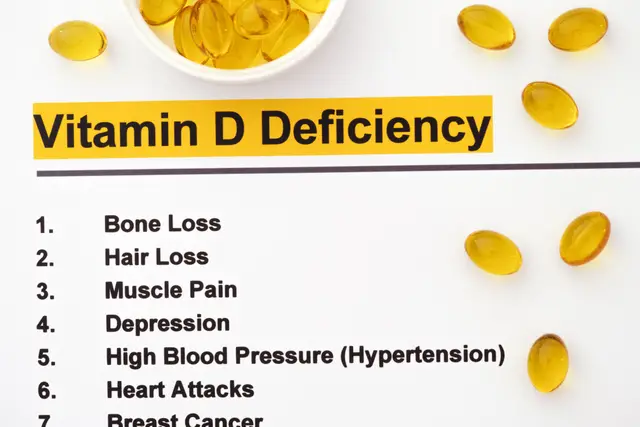
Vitamin D Deficiency
Also known as the sunshine vitamin, vitamin D is an essential nutrient that is naturally absorbed by the skin through exposure to sunlight. It can also be obtained from dietary sources and supplements.
December 30, 2024 · 3 min read

Cancer-Updates
Gynecologic Cancer
Gynecologic cancer is a term used to describe a group of cancers that affect the female reproductive system. There are five types of gynecologic cancers named after the body part where they start.
November 5, 2024 · 3 min read


© 2026 Healthread
English · Español
Healthread does not provide medical advice, diagnosis or treatment. Always speak to a qualified clinician about your care.