

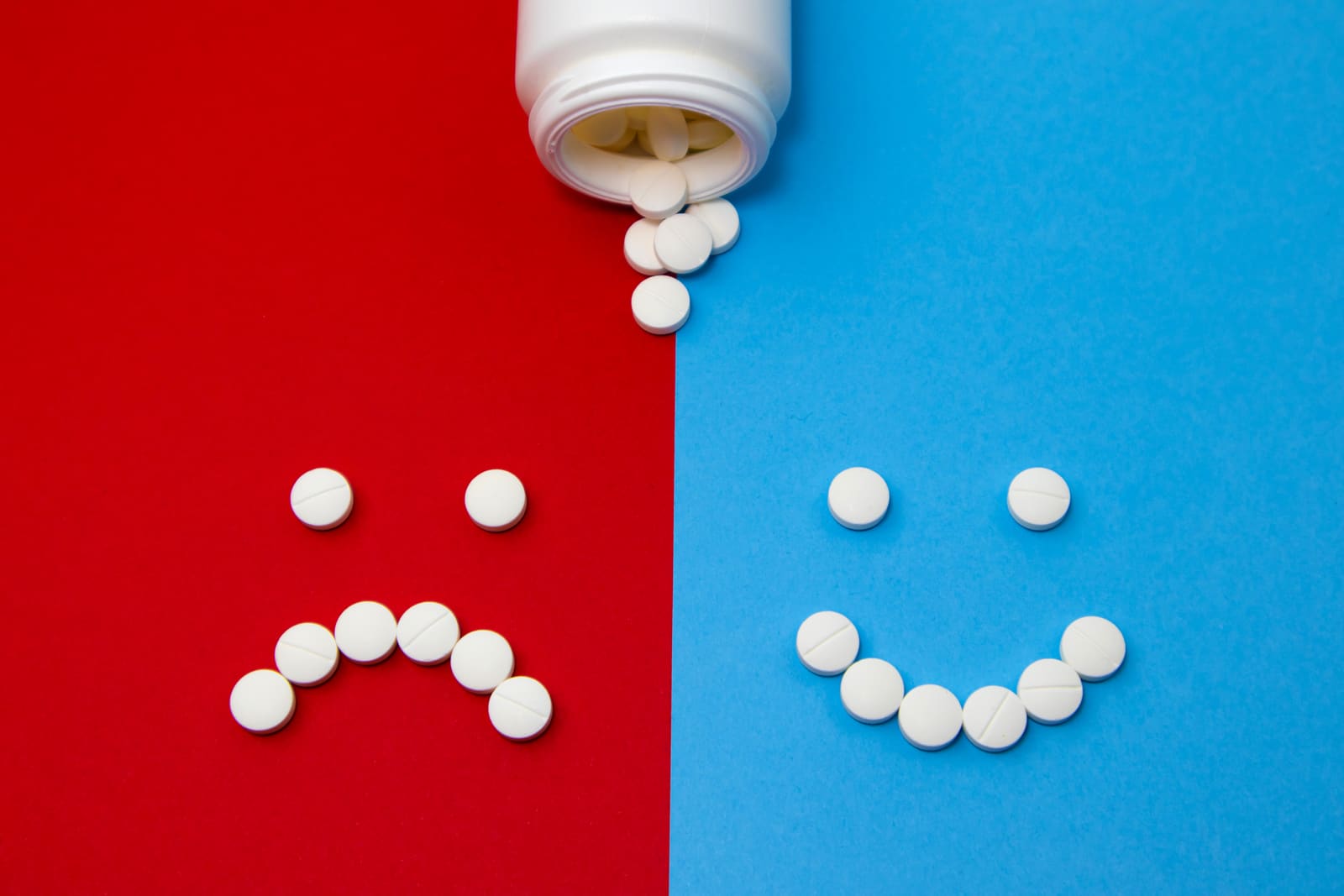
Did you know more than 10% of people in the U.S. take antidepressants? While experiences with antidepressants vary from person to person, antidepressants have been proven to be significantly more effective than placebos. In other words, antidepressants really do work for many people.
So if you’re like many other Americans, you’re either thinking about taking antidepressants or you’ve just started taking them. If you’ve just started taking them, there’s a good chance you haven’t felt anything yet, and are wondering how long this type of medication takes to work. Below, we’ll go over what antidepressants are, how they work, and how long they take to work.
What Are Antidepressants?
Antidepressants are a type of prescription medication that is used to treat depression. However, your healthcare provider may also prescribe certain antidepressants to treat other conditions including (but not limited to):
- Anxiety
- Obsessive-compulsive disorder (OCD)
- Agoraphobia
- Social anxiety disorder (SAD)
- Panic disorder
Depression is a mood disorder that results in persistent sadness and a loss of interest in activities and things you used to enjoy. Depression can affect your thinking, sleep patterns, energy levels, eating, motivation, and memory.
Some common depressive disorders include:
- Bipolar depression
- Persistent depressive disorder
- Major depressive disorder (also called clinical depression)
- Atypical depression
- Premenstrual dysphoric disorder
- Seasonal affective disorder (seasonal depression)
Healthcare professionals prescribe antidepressants to help reduce your symptoms and improve your quality of life.
How Do Antidepressants Work?
Antidepressants help to lessen the symptoms of certain mental health conditions by targeting the brain’s neurotransmitters. Neurotransmitters are responsible for many important tasks including regulating mood, anxiety, motivation, sleep, and more.
Most antidepressants are taken in a pill or tablet by the mouth every day. Because there are several types of antidepressants, how they work depends on which type you’re talking about.
Types of Antidepressants
A few common types of antidepressants include:
- SSRIs: Serotonin Uptake Inhibitors are the most common type of antidepressant. They allow for more serotonin available to send messages by preventing it from being taken up by nerve cells
- SNRIs: SNRIs work the same way SSRIs, but in addition to making serotonin more freely available, they do the same with norepinephrine too.
- NMDA receptor blockers: Block NMDA receptors in your brain, which results in brain cells releasing more glutamate (a neurotransmitter).
- MAOIs: Monoamine oxidase inhibitors are the oldest kind of antidepressants, but aren’t commonly prescribed because they require modifications to your diet.
When Will My Antidepressants Start Working?
Antidepressants don’t kick in right away. So if you just started taking them, give it some time. If you’re concerned, speak with your healthcare provider.
While some people may see improvements almost immediately, it’s more common for them to start working within the first one to two weeks of using antidepressants. It can take four to 8 weeks for others to receive the full benefits of their new medication.
Why Does It Take So Long For Antidepressants to Work?
Your healthcare provider will usually start you at a lower dose and slowly increase it over time to ensure you experience the fewest possible side effects. Sometimes, certain people won’t receive the desired benefits from a specific medication so your doctor may prescribe a different one.
Takeaway
While antidepressants often don’t work right away, the arduous journey towards receiving the full benefits from your medication is well worth the wait. Always be upfront with your healthcare provider and let them know if you have any questions or concerns. For example, if you begin experiencing side effects or you’ve been on your medication for several weeks without any primary effects, speak to your healthcare provider.
Sources
- 1ncbi.nlm.nih.gov/books/NBK361016/#:~:text=An%20antidepressant%20can%20already%20have,lead%20to%20a%20noticeable%20improvement
- 2goodrx.com/conditions/depression/time-for-antidepressants-to-work
- 3verywellmind.com/how-long-does-it-take-for-antidepressants-to-work-2584277
- 4psychcentral.com/depression/how-long-do-antidepressants-take-to-work
- 5my.clevelandclinic.org/health/treatments/9301-antidepressants-depression-medication
- 6healthtalk.org/experiences-antidepressants/starting-to-take-an-antidepressant-for-the-first-time
- 7share.upmc.com/2023/08/how-long-does-it-take-antidepressants-to-work/
- 8psychiatrictimes.com/view/how-quickly-do-antidepressants-begin-work
General information, not medical advice
This article can't account for your health history or current treatment. Talk to a qualified clinician before you change anything about your care.
Read our medical disclaimer →
On this page
What Are Antidepressants?
How Do Antidepressants Work?
Types of Antidepressants
When Will My Antidepressants Start Working?
Why Does It Take So Long For Antidepressants to Work?
Takeaway
Put what you read to work
Track your medicines, check a symptom and talk with people managing the same condition, all in Healthread.
Get the app
Keep reading
Beauty and Anti-Aging
Gastric Balloon for Weight Loss
The gastric balloon weight loss procedure is a new FDA-approved minimally invasive bariatric procedure for treating obesity. It is a temporary procedure that involves placing a saline-filled silicone balloon in the…
June 19, 2025 · 3 min read
Beauty and Anti-Aging
Vitamin D Deficiency
Also known as the sunshine vitamin, vitamin D is an essential nutrient that is naturally absorbed by the skin through exposure to sunlight. It can also be obtained from dietary sources and supplements.
December 30, 2024 · 3 min read

Cancer-Updates
Gynecologic Cancer
Gynecologic cancer is a term used to describe a group of cancers that affect the female reproductive system. There are five types of gynecologic cancers named after the body part where they start.
November 5, 2024 · 3 min read


© 2026 Healthread
English · Español
Healthread does not provide medical advice, diagnosis or treatment. Always speak to a qualified clinician about your care.