

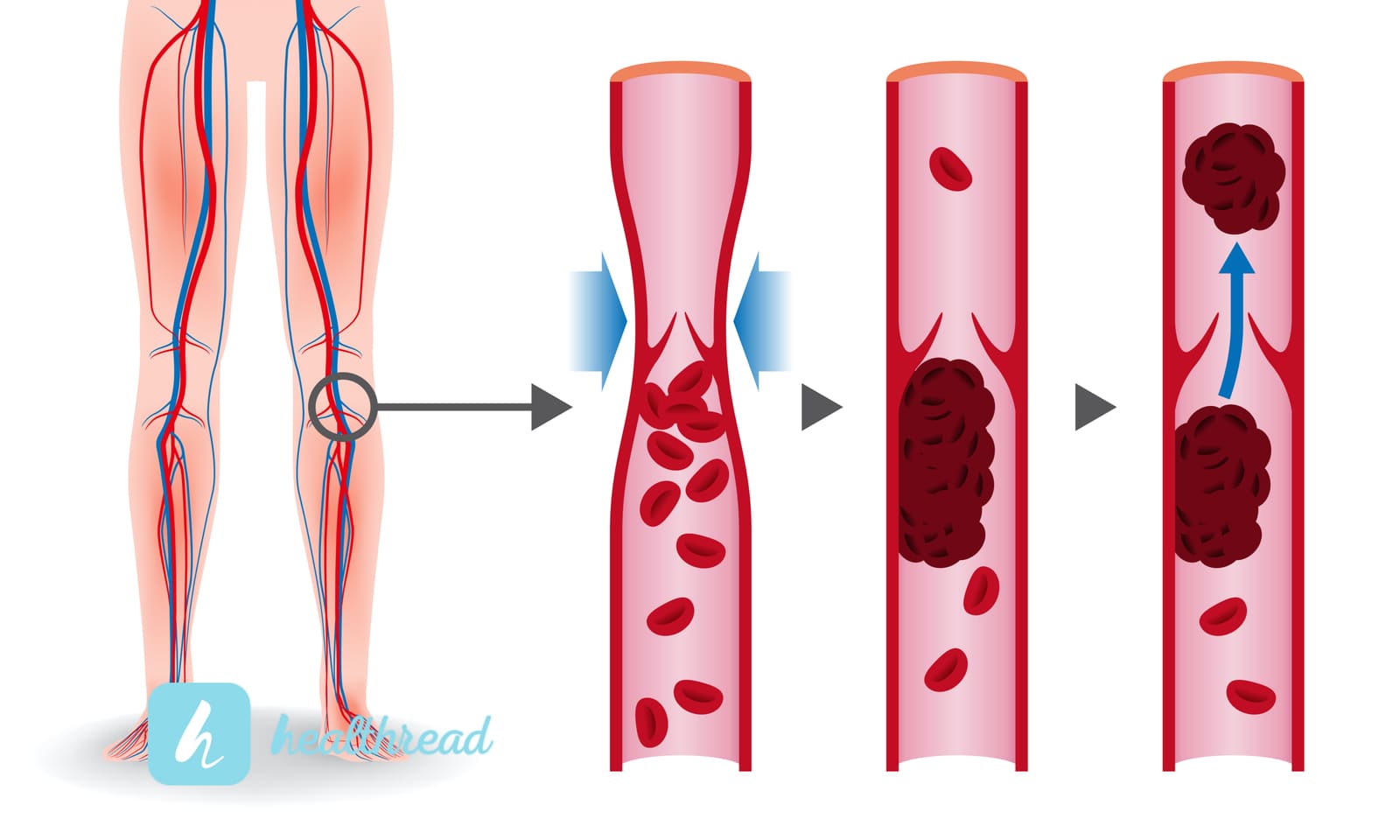
If you or a loved one is undergoing treatment for a disease, your doctor may have talked to you about increased risks for developing blood clots. The uncertainty of if or when blood clots may form can be scary, but understanding what blood clots are and factors you can control in their prevention helps to alleviate some stress.
What exactly is a blood clot and why do they form?
A blood clot, or thrombus, is a natural process of the body important in the ability of blood vessels to repair themselves. Blood clots can occur in both arteries and veins, ensuring vessel repair regardless of pressure, viscosity, or cellular differences between vessel types. When there is damage to the lining of a blood vessel, either externally through a cut or non-visible damage internally, cells near the damage site set off a molecular signaling cascade that starts blood coagulation. This involves signaling molecules that activate platelets in the blood, which aggregate to stop blood flow with the help of proteins like factor VII and tissue factor. As this mass begins to form, red blood cells and other cross-linking proteins (predominantly fibrin) become entangled as well. The resulting clot creates a fast patch to the blood vessel, allowing time for blood vessel cells to divide and regenerate, a process sometimes aided by white blood cells. Most of the time, blood clots are either naturally dissolved after the blood vessel is repaired and blood flow is restored to the vessel or recanalization of the blood vessel occurs, where blood flow is redirected in a capillary-like fashion to bypass the damaged wall and blood clot. However, sometimes blood clots cause more harm that good, especially as we age or as our bodies are put through the ringer with disease treatment and management.
Since the signaling regulation that controls blood clotting is complicated, sometimes blood clots form in vessels that are not damaged. Ironically, this process can actually damage the vessel by either blocking it and cutting off blood flow to critical organs like your heart, brain, and lungs, or break off from a vessel wall after formation like a large bolder that will eventually lodge itself in a capillary. Risk factors for blood clots in arteries can be different from those formed in veins. For instance, heart conditions like atrial fibrillation are more likely to produce arterial blood clots while inherited blood-clotting disorders are more likely to result in blood clots forming in veins. If you are managing disease treatment, you should also be aware of increased risks of blood clots. In particular, detrimental blood clot risk increases after surgeries due to the large number of vessels that are damaged during incisions. Feeling worn down and tired from disease treatments can also put you at higher risk for blood clots, since you're more inclined to spend a large chunk of the day on a couch. While some treatments do exist, like drugs that promote signaling for dissolving blot clots, time can be of the essence if a major organ is being effected. Plus, drug treatments can take hours to work. The best way to treat a blood clot is to avoid forming one in the first place. Here are the best ways to prevent unwanted blood clot formation:
Ways to prevent blood clots
1. Get regular exercise. Even if you're fighting a major illness or dealing with the management of a chronic disease, committing to regular exercise is one of the best habits to form for you and your loved ones. Prolonged immobility, anything from a long car ride to being bedridden, can significantly increase your risk of forming a blood clot. If you are at risk for developing deep vein thrombosis in your legs, keeping your blood moving is the best preventative measure you can take. Overall, exercise is probably the single most important factor in avoiding blood clots. Regular exercise can mean different things for different people, so discuss planned exercise regiments with your doctor.
2. Don't smoke, or if you do smoke — quit. Smoking is a major risk factor for blood clot formation in the arteries and veins of the lung. This is because chronic smoke inhalation causes permanent damage to lung blood vessels, keeping your body in a constant state of attempted blood vessel repair. Since smoking is unquestionably linked to a number of other health risks, including cancer and severity of COVID-19 illness, now is the best time to keep your lungs as healthy as possible.
3. Maintain a healthy weight. High blood pressure, high cholesterol, and diabetes are all conditions with increased blood clot risk. Maintaining a healthy weight through regular exercise and a balanced diet work to mitigate that risk.
4. Wear loose-fitting closing. Especially after surgery, avoiding constriction of any area of your body can help keep your blood vessels open and the blood flowing.
5. Consider alternative birth control methods. If you're on a hormone-based birth control, talk to your doctor about using a different birth control method. Adding extra hormones to your blood stream are known to increase the concentration of clotting factors, increasing risk for blood clots by several fold.
Follow these recommendations and rest assured that you've taken control of what you can in maintaining your health through the best and worst chapters of your life.
Source
- 1medicinenet.com/blood_clots/article.htm
- 2en.wikipedia.org/wiki/Thrombus
- 3en.wikipedia.org/wiki/Factor_VII
- 4en.wikipedia.org/wiki/Tissue_factor
- 5cosmosmagazine.com/biology/white-blood-cells-fix-busted-blood-vessels
- 6mayoclinic.org/healthy-lifestyle/fitness/in-depth/exercise-and-chronic-disease/art-20046049
- 7sciencedirect.com/topics/medicine-and-dentistry/recanalization
- 8cdc.gov/dotw/blood-clots/index.html
- 9cvpharmacology.com/thrombolytic
- 10ahrq.gov/patients-consumers/prevention/disease/bloodclots.html
- 11heart.org/en/health-topics/venous-thromboembolism/understand-your-risk-for-excessive-blood-clotting
- 12atsjournals.org/doi/full/10.1513/pats.200407-038MS
- 13cdc.gov/tobacco/data_statistics/fact_sheets/health_effects/effects_cig_smoking/index.htm
General information, not medical advice
This article can't account for your health history or current treatment. Talk to a qualified clinician before you change anything about your care.
Read our medical disclaimer →
Put what you read to work
Track your medicines, check a symptom and talk with people managing the same condition, all in Healthread.
Get the app
Keep reading
Beauty and Anti-Aging
Gastric Balloon for Weight Loss
The gastric balloon weight loss procedure is a new FDA-approved minimally invasive bariatric procedure for treating obesity. It is a temporary procedure that involves placing a saline-filled silicone balloon in the…
June 19, 2025 · 3 min read
Beauty and Anti-Aging
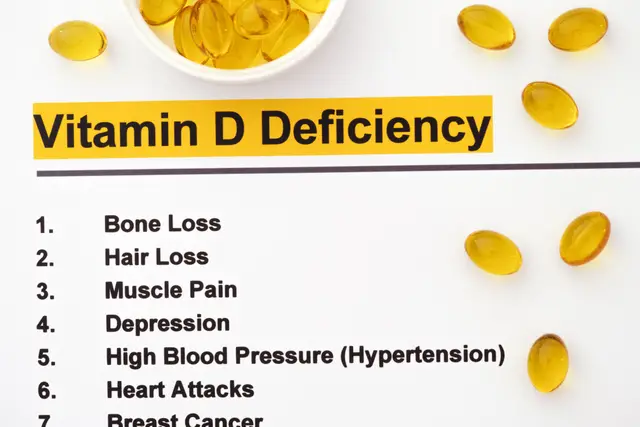
Vitamin D Deficiency
Also known as the sunshine vitamin, vitamin D is an essential nutrient that is naturally absorbed by the skin through exposure to sunlight. It can also be obtained from dietary sources and supplements.
December 30, 2024 · 3 min read

Cancer-Updates
Gynecologic Cancer
Gynecologic cancer is a term used to describe a group of cancers that affect the female reproductive system. There are five types of gynecologic cancers named after the body part where they start.
November 5, 2024 · 3 min read


© 2026 Healthread
English · Español
Healthread does not provide medical advice, diagnosis or treatment. Always speak to a qualified clinician about your care.