

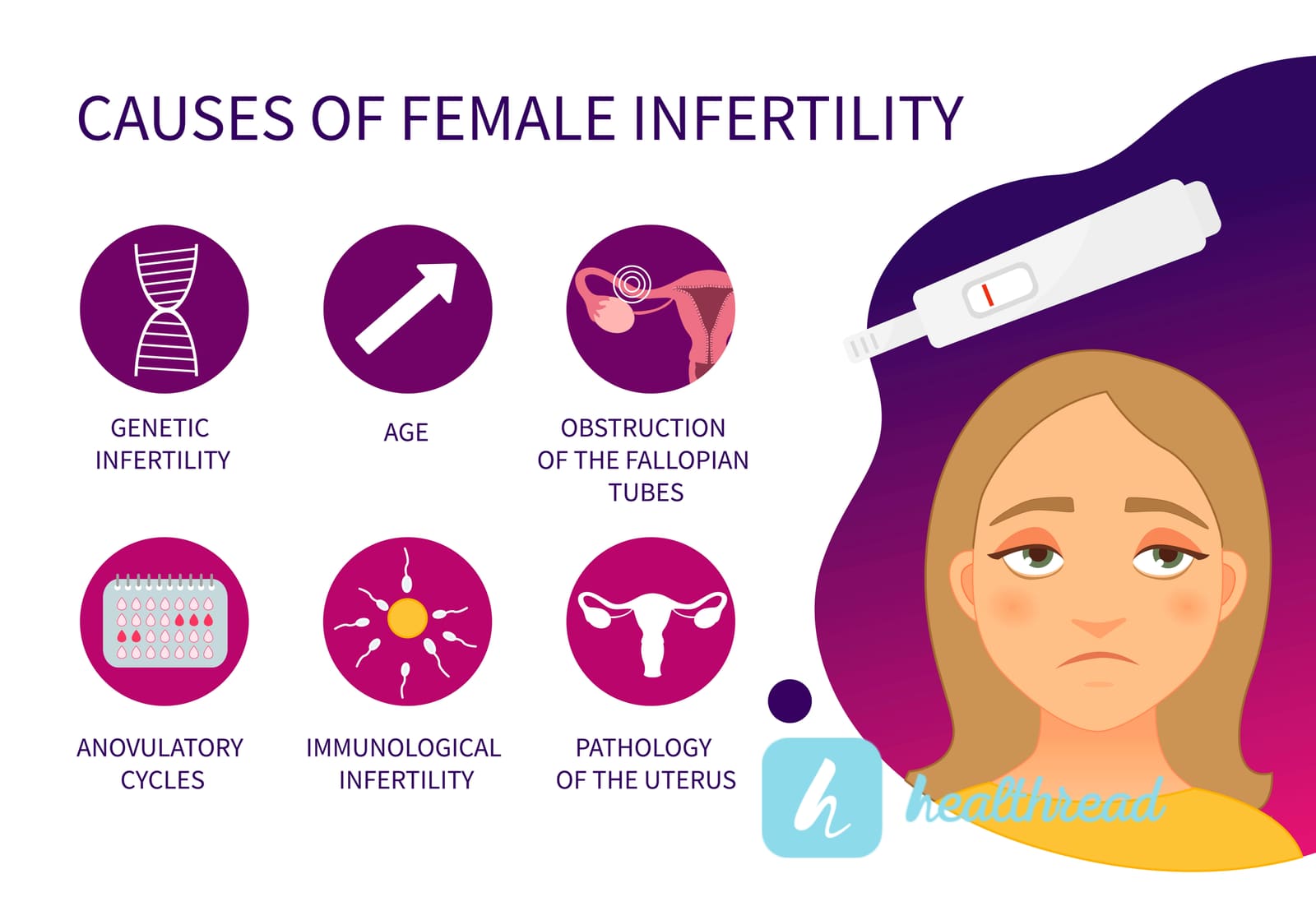
If you're trying to have a baby and haven't been able to get pregnant, infertility is a concern. The official medical definition of infertility in a couple is an inability to become pregnant for one year, despite frequent attempts. If a woman is over age 35, physicians diagnose infertility after six months. An estimate 10% to 15% of couples experience infertility in the US. The World Health Organization (WHO) reports that about 10% of couples experience infertility around the world, and that the problem is likely to be underreported.
Both men and women can experience problems with fertility that prevent pregnancy. The Mayo Clinic advises women who are trying to become pregnant to see a doctor if they are over age 40, or have:
- Irregular/absent menstrual periods
- Painful menstrual periods
- Prior fertility problems
- Been diagnosed with PID (pelvic inflammatory disease)
- Been diagnosed with endometriosis
- Experienced multiple miscarriages
- Been treated for cancer
Men are advised to speak with a doctor if they have:
- Been treated for cancer
- A low sperm count
- History of testicular or prostate problems
- Small testicles or swollen scrotum
- Other family members with fertility problems
Infertility can occur with one partner, or with both partners. The Mayo Clinic reports that about a third of infertility results from a fertility issue with the male partner, a third with the female partner, and a third with both partners.
Male infertility can result from abnormal sperm production, problems with sperm delivery, and chemical/environmental exposure. Female infertility may be caused by ovulation disorders, cervical or uterine abnormalities, damage or blockage of fallopian tubes, endometriosis, and early menopause. Men and women can both become infertile as a result of cancer treatment.
Risk factors include age, tobacco and alcohol use, being overweight and inactive, and also being underweight. Healthy exercise is important, but sedentary lifestyles and extremely active lifestyles can each influence fertility.
There is a "self help" treatment for couples with infertility, which involves having regular and frequent intercourse around the time the woman ovulates. Physicians advise starting to have regular, frequent intercourse about five days before ovulation and continuing through the middle of a woman's menstrual cycle.
Men and women can both improve their fertility by avoiding illicit (illegal) drugs, tobacco, and alcohol. Maintaining a healthy weight and getting a healthy amount of exercise can also increase fertility.
Doctors will request semen samples to analyze male fertility and identify any potential problems. Hormone and genetic testing can also help to identify any other issues. For women, an HSG test (hysterosalpingography) will evaluate the condition of the uterus and fallopian tubes. The HSG test and other tests for hormone levels can determine if healthy eggs are passing through the fallopian tubes and implanting in the uterus. Laparoscopic surgery can also help to determine if there are any blockages or irregularities preventing the egg from being released and implanted.
Fertility drugs are the primary treatment for women who are infertile due to ovulation disorders. Other treatments include intrauterine insemination and surgery. Men may also have surgery to repair or reverse sperm blockage, medications to improve sperm count, and lifestyle changes such as losing weight or avoiding harmful substances.
Assistive reproductive technology (ART) is the focus of fertility treatment where sperm and eggs are handled outside of the body. In vitro fertilization (IVF) is the best-known type of ART. Dr. Robert Edwards, who pioneered IVF, received a Nobel Prize in Medicine for his work in 2010. Eggs are fertilized by sperm outside of the body, then implanted in the mother a few days after fertilization. In some cases, donor eggs or sperm can be used. A gestational carrier (also called surrogate mother) can carry a pregnancy if a woman doesn't have a functional uterus, or for whom pregnancy is a health risk. Intracytoplasmic sperm injection (ICSI) injects sperm directly into a mature egg. ICSI is similar to IVF, except one specific sperm is used. ART techniques can sometimes cause complications. For example, IVF can result in multiple pregnancies.
According to Womens Health.gov/the U.S. Department of Health & Human Services, success rates for ART vary depending on the age of partners and reasons for infertility. Infertility clinics also vary in their degree of effectiveness, and whether eggs and embryos are fresh or frozen. As of a 2015 survey, 39% women under age 35 who used IVF were successful, and 30% of women ages 35-37. Over age 37, success in IVF becomes less likely, and only 11% of women age 41 or older who used IVF became pregnant.
Sources
Mayo Clinic - Infertility
Mayo Clinic - Male Infertility
U.S. Department of Health & Human Services - Women's Health - Infertility
World Health Organization - Infertility is a Global Public Health Issue
General information, not medical advice
This article can't account for your health history or current treatment. Talk to a qualified clinician before you change anything about your care.
Read our medical disclaimer →
Put what you read to work
Track your medicines, check a symptom and talk with people managing the same condition, all in Healthread.
Get the app
Keep reading

Beauty and Anti-Aging
Gastric Balloon for Weight Loss
The gastric balloon weight loss procedure is a new FDA-approved minimally invasive bariatric procedure for treating obesity. It is a temporary procedure that involves placing a saline-filled silicone balloon in the…
June 19, 2025 · 3 min read
Beauty and Anti-Aging
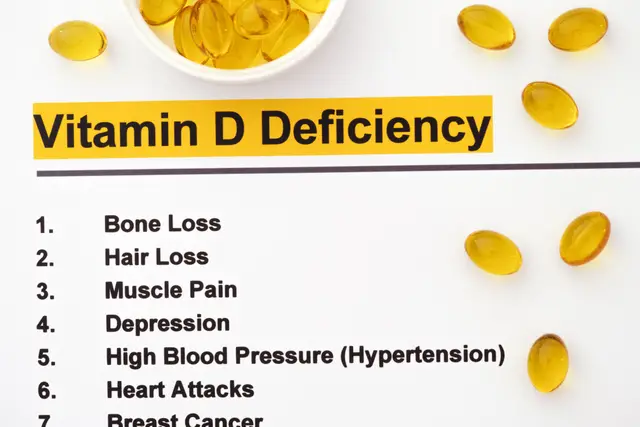
Vitamin D Deficiency
Also known as the sunshine vitamin, vitamin D is an essential nutrient that is naturally absorbed by the skin through exposure to sunlight. It can also be obtained from dietary sources and supplements.
December 30, 2024 · 3 min read

Cancer-Updates
Gynecologic Cancer
Gynecologic cancer is a term used to describe a group of cancers that affect the female reproductive system. There are five types of gynecologic cancers named after the body part where they start.
November 5, 2024 · 3 min read


© 2026 Healthread
English · Español
Healthread does not provide medical advice, diagnosis or treatment. Always speak to a qualified clinician about your care.