

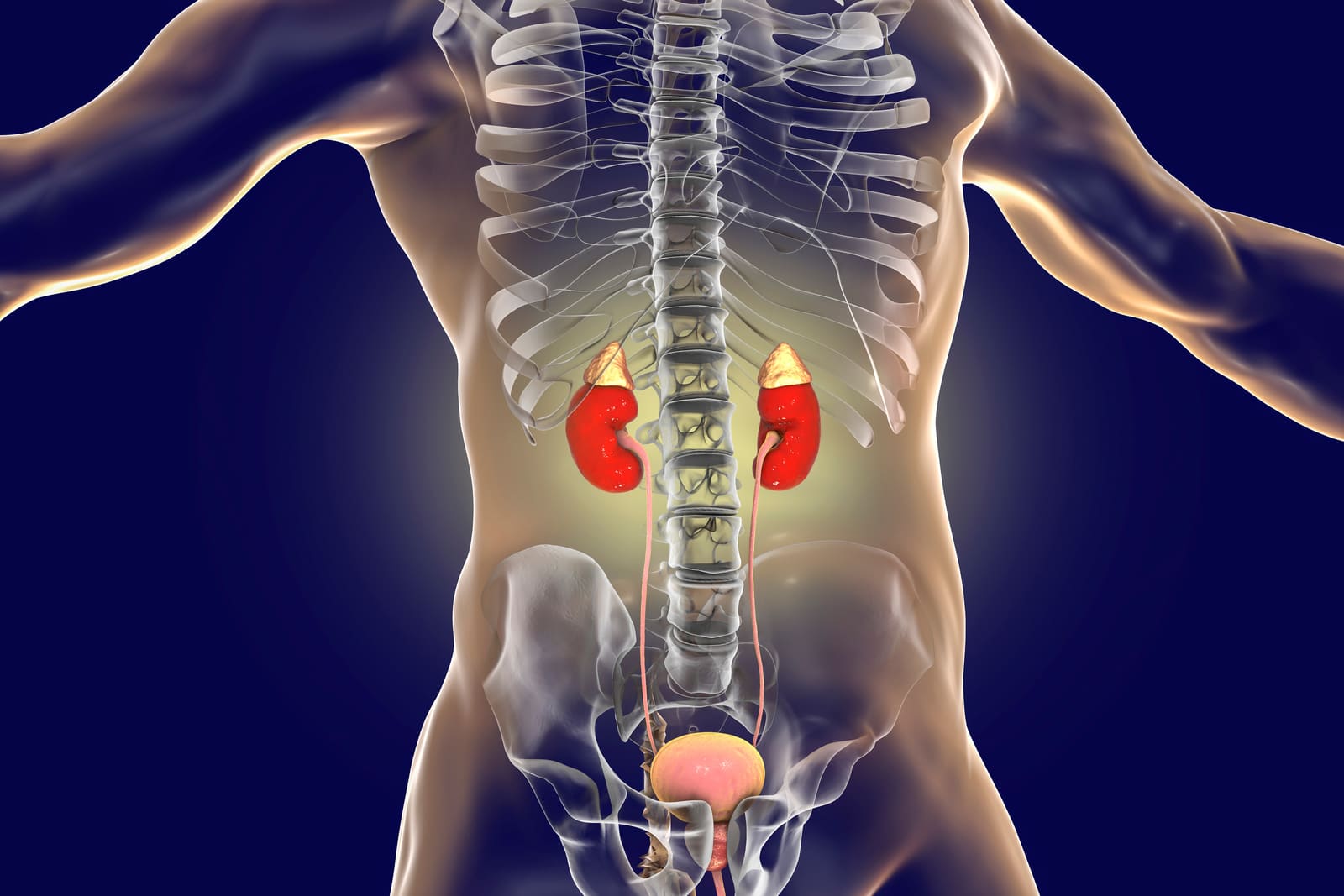
When your kidneys are healthy, they regulate the water and mineral levels in your body and remove waste. Individuals with damaged or failed kidneys might have trouble eliminating unwanted water and waste from their blood. Dialysis helps carry out this process.
What Is Kidney Dialysis?
When your kidneys aren't working properly, physicians refer to this as kidney failure, though there are several types of kidney failure. Beginning dialysis might reduce fluid in your body, improve nutrition, and decrease your chance of being hospitalized for kidney failure complications.
Dialysis is a type of medical treatment used to take over the kidney's job of filtering blood when they can't properly do it. Because dialysis acts like a substitute for the kidney's natural work, it's also referred to as renal replacement therapy (RRT).
If your kidneys fail, dialysis helps to keep your body in balance by:
- Maintaining a safe level of specific blood chemicals like sodium, potassium, and bicarbonate
- Eliminating salt, waste, and extra water, preventing them from accumulating in your body
- Helping to control blood pressure
If you’re not experiencing any symptoms yet, you and your doctor might still decide to begin dialysis or wait until your results from the lab show very poor kidney function. For instance, your physician might recommend you start dialysis while you have better kidney function.
An individual who lost between 85% to 90% of their kidney function will most probably be a dialysis candidate. Approximately 14% of the U.S. population are believed to have chronic kidney disease (CKD).
Types of Kidney Dialysis
There are several various types of dialysis:
1. Hemodialysis
The most common type of dialysis, hemodialysis is a process using a hemodialyzer (artificial kidney) to eliminate extra fluid and waste from your blood. The blood is eliminated from your body and filtered through this artificial kidney. Then the dialysis machine helps the filtered blood return back to your body.
2. Peritoneal Dialysis
With peritoneal dialysis, a peritoneal dialysis (PD) catheter is implanted into your abdomen during surgery. The catheter helps in filtering blood through a membrane in your abdomen known as the peritoneum. During treatment, dialysate (a special fluid) flows into the peritoneum. The waste is absorbed by the dialysate and after the dialysate draws waste out from your bloodstream, it then drains it from your abdomen.
3. Continuous Renal Replacement Therapy (CRRT)
CRRT is used mainly in the intensive care unit for individuals with acute kidney failure. It's also called hemofiltration. A device passes through your blood through a tube. A filter eliminates water and waste products. The blood and replacement fluid are returned to your body.
Foundations and Societies
Some foundations and societies you might find helpful include:
- KidneySG: The mission of KidneySG is to look after needy individuals with end-stage kidney disease through research, education, and quality care.
- Independent Dialysis Foundation: IDF provides personalized and convenient care. Their employees put their patients' welfare first.
- American Kidney Fund: AKF is the nation's top nonprofit that attacks kidney disease on all fronts.
Latest Insights on Kidney Dialysis
Researchers developed an artificial kidney to replace dialysis for certain patients. The artificial kidney device consists of two parts and does the same work a healthy kidney would, but through an implanted device. It operates 24/7 and doesn't deter individuals from enjoying certain activities and traveling.
Beginning January 1, 2021, Medicare beneficiaries patients with End-Stage Renal Disease (ESRD) may have the option of receiving their dialysis at home. It's much better for your health and easier for your body since you can do it in the comfort of your home and you won't be exposing yourself to a group of other individuals in a clinic during a pandemic. It performs the pumping in and pumping out automatically while you're sleeping, five times a night. When you're finished, you're finished and you can get back to living a normal life.
People's likelihood of developing kidney disease can now be rated through an artificial intelligence clinical diagnostic developed by RenalytixAI. A lab-based AI tool called FractaIDX was also developed by the company which predicts the risk of negative transplant outcomes. This includes early kidney rejection.
Are You Coping With Kidney Dialysis?
Connect with other people on Healthread who also are coping with kidney dialysis and share tips, experiences, and ways of coping. Sharing your experiences and learning other peoples' experiences can help fill that remaining void and get a better understanding of your health issue.
You'll gain more insight and support beyond your family, physician, and friends.
While Healthread's purpose isn't to replace your healthcare provider's advice, it offers you a technology platform where you can meet others with similar health issues and interests and help you gain a better understanding of your disease so you can make more informed decisions regarding your health.
Sources
- 1medicalnewstoday.com/articles/152902
- 2kidney.org/atoz/content/dialysisinfo
- 3kidshealth.org/en/teens/kidney-dialysis.html
- 4medicinenet.com/dialysis/article.htm
- 5niddk.nih.gov/health-information/kidney-disease/kidney-failure/choosing-treatment
- 6kidneyfund.org/kidney-disease/kidney-failure/treatment-of-kidney-failure/dialysis/
- 7kidney.org/atoz/content/hemodialysis
- 8medlineplus.gov/dialysis.html
- 9uofmhealth.org/health-library/abo2705
- 10webmd.com/a-to-z-guides/kidney-dialysis#1
- 11merckmanuals.com/home/kidney-and-urinary-tract-disorders/dialysis/dialysis
- 12kidney.org/atoz/content/dialysisinfo
- 13cms.gov/newsroom/press-releases/trump-administration-finalizes-transformative-medicare-payment-changes-support-innovation-kidney#:~:text=CMS%20announcing%20the%20ESRD%20Treatment,care%20while%20reducing%20Medicare%20expenditures
General information, not medical advice
This article can't account for your health history or current treatment. Talk to a qualified clinician before you change anything about your care.
Read our medical disclaimer →
On this page
What Is Kidney Dialysis?
Types of Kidney Dialysis
1. Hemodialysis
2. Peritoneal Dialysis
3. Continuous Renal Replacement Therapy (CRRT)
Foundations and Societies
Latest Insights on Kidney Dialysis
Are You Coping With Kidney Dialysis?
Sources
Put what you read to work
Track your medicines, check a symptom and talk with people managing the same condition, all in Healthread.
Get the app
Keep reading

Beauty and Anti-Aging
Gastric Balloon for Weight Loss
The gastric balloon weight loss procedure is a new FDA-approved minimally invasive bariatric procedure for treating obesity. It is a temporary procedure that involves placing a saline-filled silicone balloon in the…
June 19, 2025 · 3 min read

Beauty and Anti-Aging
Vitamin D Deficiency
Also known as the sunshine vitamin, vitamin D is an essential nutrient that is naturally absorbed by the skin through exposure to sunlight. It can also be obtained from dietary sources and supplements.
December 30, 2024 · 3 min read

Cancer-Updates
Gynecologic Cancer
Gynecologic cancer is a term used to describe a group of cancers that affect the female reproductive system. There are five types of gynecologic cancers named after the body part where they start.
November 5, 2024 · 3 min read


© 2026 Healthread
English · Español
Healthread does not provide medical advice, diagnosis or treatment. Always speak to a qualified clinician about your care.