

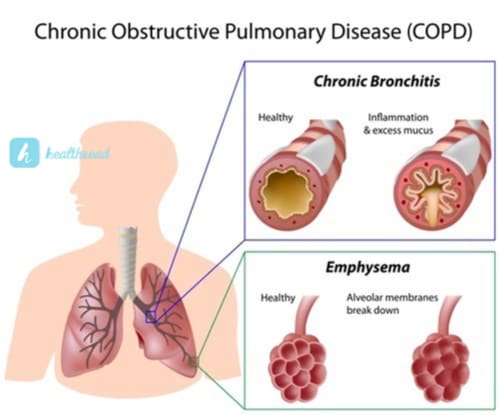
If you’ve been told by your doctor you have COPD, you’re certainly not alone in receiving this diagnosis. More than 16 million people living in the U.S. have been officially diagnosed with the condition, but there are many more (in the millions) who unknowingly have it. The good news is that COPD can be managed, especially if identified and treated early. Empowering yourself with knowledge about COPD and the available treatments, along with reaching out to your support group, is your best defense for managing it effectively.
Challenges of Living With COPD
Living with COPD has its challenges, including the below.
Emotional Health
Having difficulty breathing can take a toll on your emotional health. Your emotions can range from fear, anxiety, and worry to sadness and depression. When you’re anxious, it can make you breathe faster, increasing your shortness of breath and exacerbating your COPD symptoms.
COPD can affect your mood too, and you may find that you have down days, especially when you’re not able to do some of the same things you used to enjoy doing.
Respiratory Issues
Because COPD is a chronic inflammatory lung condition, it can cause the airflow in and out of your lungs to be obstructed. Individuals with COPD are more prone to catching colds, the flu (influenza), and pneumonia. Having COPD can also increase your risk of severe illness from COVID-19, which is also a respiratory condition.
Difficulty in Being Active
When you have shortness of breath as a result of COPD, it can make you less active. And, when you become more sedentary, it can lead to you becoming less physically fit, and even overweight. By being less active, your lungs can weaken, and worsen your COPD over time.
Heart Disease
People with COPD have a higher instance of mortality from heart disease than those who don’t have the condition. Severe COPD makes people prone to right-sided heart failure, which can cause fluid to build up in your abdomen and legs. Further, low-oxygen levels resulting from untreated COPD or a COPD flare-up can put additional stress on the heart, upping the risk of having a heart attack.
Tips for Living Well With COPD
Living with COPD definitely has its challenges, but these strategies can help you live better and manage it.
Medications
Today there are a variety of medications people with COPD can take to manage their symptoms. These include
- Bronchodilators
- Inhaled steroids
- Combination bronchodilators and inhaled steroids
- Oral steroids
- Theophylline
- Phosphodiesterase-4 inhibitors
· Antibiotics
Oxygen Therapy
Not everyone who has COPD needs oxygen therapy, but if you are not getting enough oxygen in your blood, you may need supplemental oxygen. You may need supplemental oxygen only during activity or when sleeping, or you may need it all the time. Today, there are portable, lightweight devices, allowing you to go out and about and carry on with your daily activities.
Pulmonary Rehabilitation
If you have moderate or severe COPD, you may benefit from pulmonary rehabilitation. This involves a multifaceted regime of education, exercise, and nutrition counseling designed to improve your lung strength, lessen your shortness of breath, and make it easier to perform your everyday tasks.
Surgery
In some severe cases, surgery may be an option. Surgical options include bullectomy, lung volume reduction surgery, and lung transplant.
Social Support
Some studies reveal that COPD patients participating in social support can realize improved mental health, better disease management behaviors, reduced COPD flare-ups, and fewer hospitalizations.
Connect With Others With COPD on Healthread
As you know, living with COPD presents challenges, especially as it progresses. Not only is it essential to work with a medical professional to help you navigate and manage the condition, but it’s helpful to join a support group composed of other COPD patients to talk about methods of coping with and leading an active life with the condition
Healthread offers you the support and insight you need that's beyond your family, friends, and doctor and genuinely connect with others experiencing COPD.
Additional Healthread Articles on COPD
COPD
Sources
- 1lung.org/lung-health-diseases/lung-disease-lookup/copd/learn-about-copd
- 2uofmhealth.org/health-library/ug1539abc
- 3ncbi.nlm.nih.gov/pmc/articles/PMC5684718/
- 4ncbi.nlm.nih.gov/pmc/articles/PMC5684718/
- 5tandfonline.com/doi/full/10.1080/17476348.2018.1489723#:~:text=Some%20studies%20indicate%20that%20in,anxiety%20for%20persons%20with%20COPD
- 6cdc.gov/learnmorefeelbetter/programs/copd.htm
- 7healthline.com/health/copd/steps-for-managing-copd-flare
- 8lung.org/lung-health-diseases/lung-disease-lookup/copd/living-with-copd
- 9webmd.com/lung/copd/features/living-with-copd
- 10webmd.com/lung/copd/copd-treatments-improving-your-quality-of-life
- 11medicalnewstoday.com/articles/323239
- 12aaaai.org/conditions-and-treatments/related-conditions/chronic-obstructive-pulmonary-disease
- 13aafp.org/afp/2010/0301/p607.html
- 14health.usnews.com/health-care/patient-advice/articles/2017-05-12/whats-it-like-to-live-with-copd
- 15everydayhealth.com/hs/healthier-living-with-copd/live-better-with-copd/
General information, not medical advice
This article can't account for your health history or current treatment. Talk to a qualified clinician before you change anything about your care.
Read our medical disclaimer →
On this page
Challenges of Living With COPD
Emotional Health
Respiratory Issues
Difficulty in Being Active
Heart Disease
Tips for Living Well With COPD
Medications
· Antibiotics
Oxygen Therapy
Pulmonary Rehabilitation
Surgery
Social Support
Connect With Others With COPD on Healthread
Additional Healthread Articles on COPD
COPD
Sources
Put what you read to work
Track your medicines, check a symptom and talk with people managing the same condition, all in Healthread.
Get the app
Keep reading
Beauty and Anti-Aging
Gastric Balloon for Weight Loss
The gastric balloon weight loss procedure is a new FDA-approved minimally invasive bariatric procedure for treating obesity. It is a temporary procedure that involves placing a saline-filled silicone balloon in the…
June 19, 2025 · 3 min read
Beauty and Anti-Aging
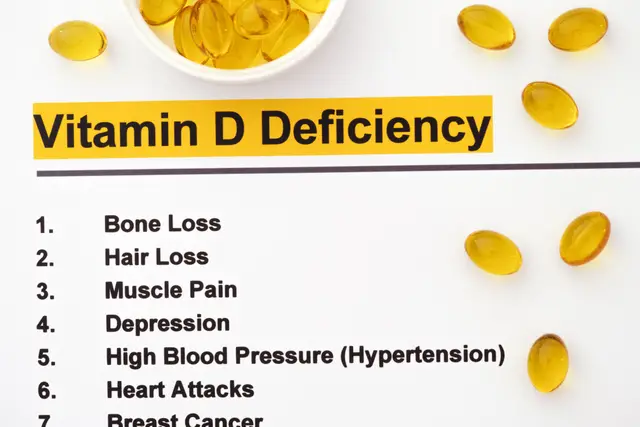
Vitamin D Deficiency
Also known as the sunshine vitamin, vitamin D is an essential nutrient that is naturally absorbed by the skin through exposure to sunlight. It can also be obtained from dietary sources and supplements.
December 30, 2024 · 3 min read
Cancer-Updates
Gynecologic Cancer
Gynecologic cancer is a term used to describe a group of cancers that affect the female reproductive system. There are five types of gynecologic cancers named after the body part where they start.
November 5, 2024 · 3 min read


© 2026 Healthread
English · Español
Healthread does not provide medical advice, diagnosis or treatment. Always speak to a qualified clinician about your care.