

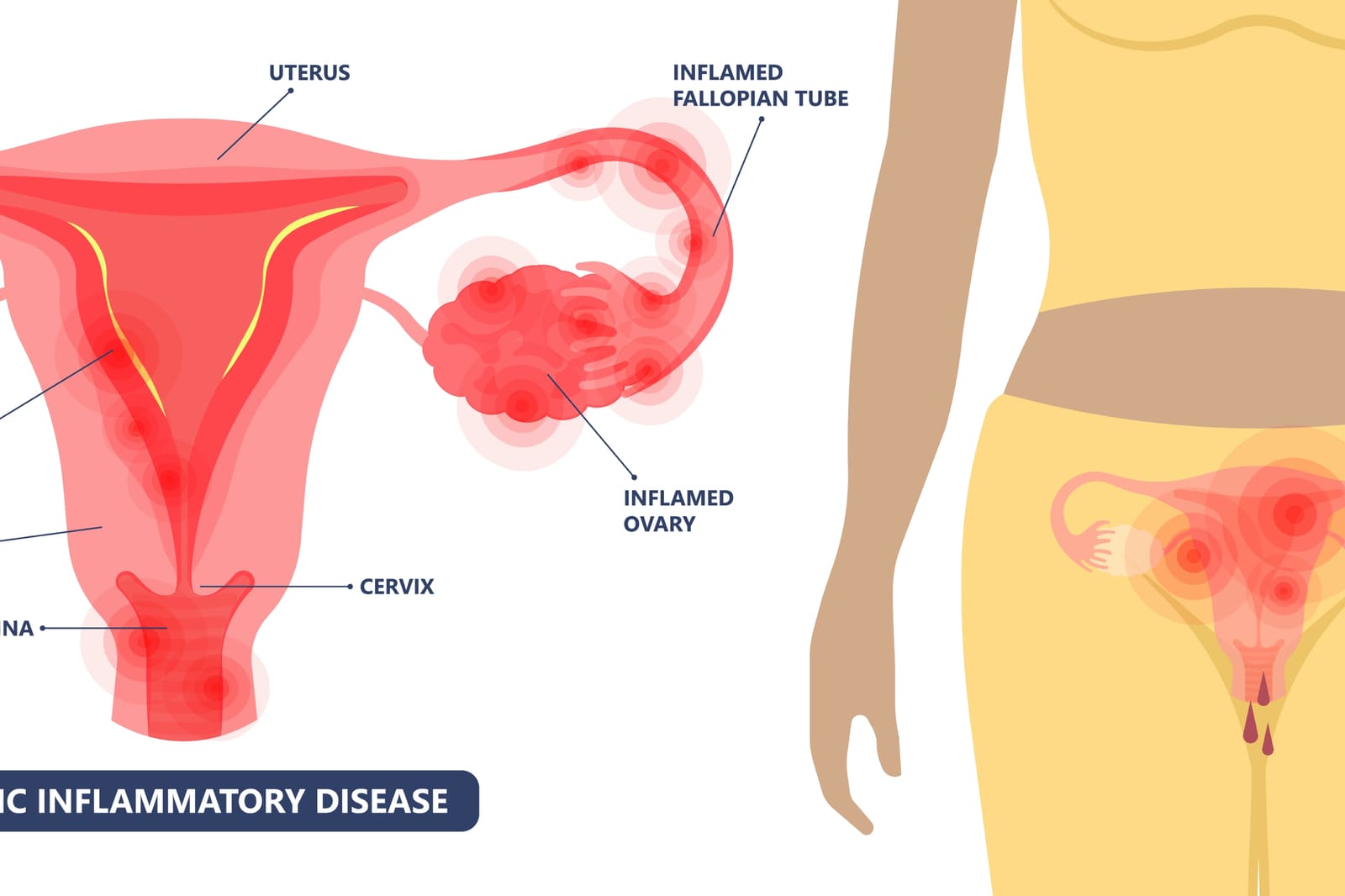
Pelvic inflammatory disease (PID) is an infection in a woman's reproductive system. The main cause is sexually transmitted infections that spread throughout the reproductive tract, including fallopian tubes, ovaries, and uterus. According to the National Health and Nutrition Examination Survey (NHANES), about 4.4% of women in the U.S. reported having pelvic inflammatory disease (PID) at some point during their reproductive years (ages 18-44). About 2.5 million women in the U.S. will have PID at some point during their life.
PID can develop over a long period of time, and some people never experience signs or symptoms. If they do, the symptoms can include:
- Abnormal or heavy vaginal discharge
- Abnormal uterine bleeding
- Painful intercourse
- Pain in the lower abdomen
- Fever and chills
- Painful, frequent urination
Some of these symptoms can indicate an STI (sexually transmitted infection) which may not have spread throughout your reproductive system. If you have these symptoms, you should stop having sex and seek medical help as soon as possible.
Are you at risk of PID? The most common cause of PID is an STI that enters your reproductive system through your cervix. Normally, your cervix protects your uterus, fallopian tubes, and ovaries from outside infections. But if it's disturbed or open, which can occur during your period, after childbirth, after a miscarriage, or after an abortion, bacteria can enter and develop PID. Medical procedures can also introduce bacteria into your reproductive tract. Although it's rare, some women have developed PID following the insertion of an IUD.
Specific risk factors for PID include:
- Being sexually active with multiple partners
- Being younger than 25 and also sexually active
- Being in a relationship with a partner who has multiple partners
- Having unprotected sex
- Regular douching, especially with scented products
- Having a history of an STI or PID
The most common STIs that can lead to PID are chlamydia and gonorrhea. Up to half of PID cases come from these two types of common bacterial STIs. PID comes from sexually transmitted bacteria, not viruses (like the HPV virus). If you're at-risk, you should be tested regularly for STIs.
PID can cause permanent damage to your reproductive tract. It is one of the main causes of infertility, because the infection can damage your fallopian tubes and other parts of your uterus and cervix making it impossible to become pregnant. Other problems caused by PID include ectopic pregnancies, chronic pain, and a tubo-ovarian abscess. The abscess is a collection of pus that develops in the fallopian tubes or ovaries, and it could be life-threatening.
To reduce your risk of PID, you should practice safe sex. Use condoms every time and ask about the sexual history of a potential partner. Use barrier methods of contraception that will protect you against STIs and pregnancy. Get regular screening tests for STIs and don't hesitate to ask your partner to get tested and treated, too. Finally, don't use vaginal douching products. They destroy your body's natural balance of helpful bacteria along with the pH balance in your vagina, which can allow harmful bacteria in, leading to PID. Although the CDC reports that rates of PID are dropping, PID is still a major risk for sexually-active young women. PID can be caused by infections other than gonorrhea and chlamydia, and it can develop without symptoms, so take steps to protect yourself from this serious infection.
Sources
The Mayo Clinic - Pelvic inflammatory disease
Centers for Disease Control and Prevention (CDC) - Pelvic Inflammatory Disease (PID)
General information, not medical advice
This article can't account for your health history or current treatment. Talk to a qualified clinician before you change anything about your care.
Read our medical disclaimer →
Put what you read to work
Track your medicines, check a symptom and talk with people managing the same condition, all in Healthread.
Get the app
Keep reading

Beauty and Anti-Aging
Gastric Balloon for Weight Loss
The gastric balloon weight loss procedure is a new FDA-approved minimally invasive bariatric procedure for treating obesity. It is a temporary procedure that involves placing a saline-filled silicone balloon in the…
June 19, 2025 · 3 min read
Beauty and Anti-Aging
Vitamin D Deficiency
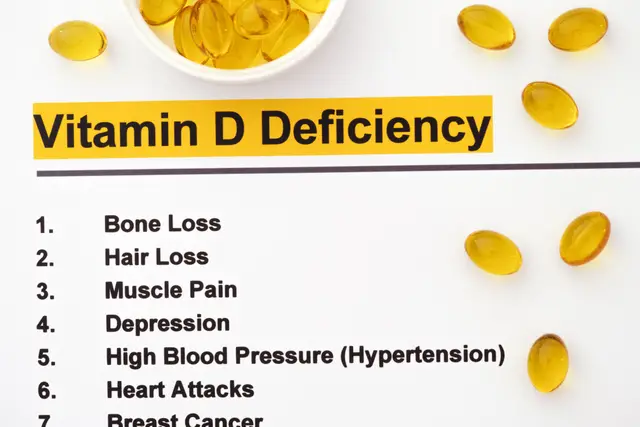
Also known as the sunshine vitamin, vitamin D is an essential nutrient that is naturally absorbed by the skin through exposure to sunlight. It can also be obtained from dietary sources and supplements.
December 30, 2024 · 3 min read

Cancer-Updates
Gynecologic Cancer
Gynecologic cancer is a term used to describe a group of cancers that affect the female reproductive system. There are five types of gynecologic cancers named after the body part where they start.
November 5, 2024 · 3 min read


© 2026 Healthread
English · Español
Healthread does not provide medical advice, diagnosis or treatment. Always speak to a qualified clinician about your care.