

Recent surveys indicate that about 40% of high school students have had sex, while about 60% of people have sex before graduating from college. For most people in this age range, preventing pregnancy is a priority. However, many teens and college students aren’t using safe sex practices, leading to unintended pregnancies.
Understanding Your Fertility
The first step in practicing safe sex is to better understand your fertility and how pregnancy occurs.
Men constantly produce sperm, the reproductive cells that live in the testes. Any time a man ejaculates during sex, he releases sperm that could fertilize an egg. Sperm can live for up to 5 days in the female reproductive tract.
Unlike men, who constantly produce sperm, women are born with all of the eggs they will ever produce. One egg reaches maturity and is released each month, an event known as ovulation. Ovulation typically happens from 12 to 16 days after the start of your last menstrual period. However, there is some individual variation. While the typical menstrual cycle is 28 to 32 days, some women have much shorter or longer cycles. When a woman ovulates, the egg typically lives for 12 to 24 hours. But because sperm can live for up to 5 days, there is usually a multi-day window in which a woman can become pregnant.
Once a sperm cell fertilizes an egg, it triggers a process of cell division. The cells continue to divide, eventually forming an embryo.
Practice Safe Sex to Avoid Pregnancy
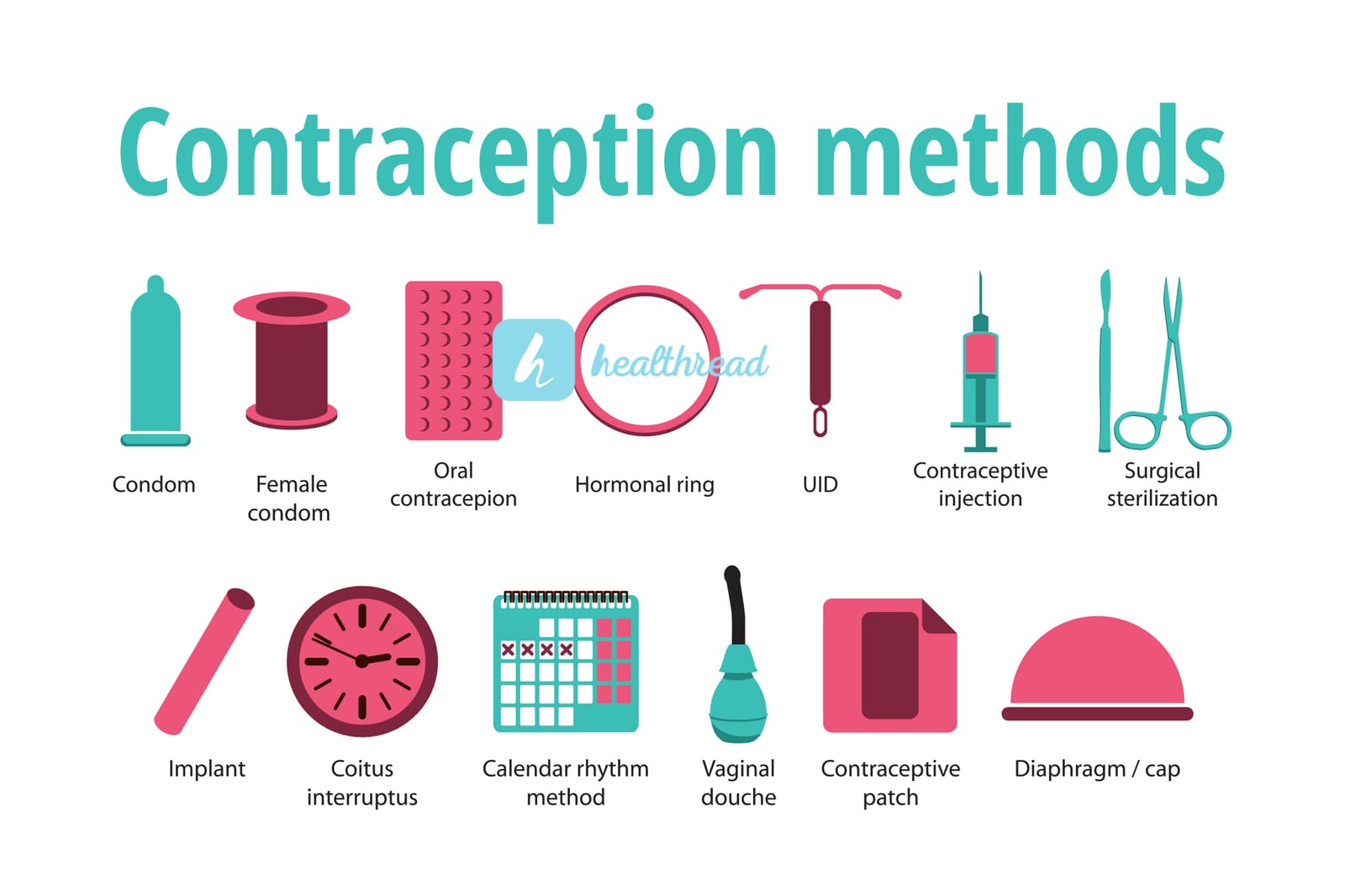
Both men and women should be proactive about contraception to avoid pregnancy. There are two major ways to prevent pregnancy: block sperm from reaching an egg, or prevent an egg from maturing and being released (i.e., blocking ovulation). Although the only 100% effective way to prevent pregnancy is to not have sex, there are many effective contraceptive options available. Following are methods of contraception and their effectiveness:
· Condom. Condoms are placed on the penis to provide a barrier to prevent sperm from reaching the female reproductive tract. They also prevent the transmission of sexually transmitted infections. When used perfectly, condoms are 98% effective in preventing pregnancy. However, most people don’t use condoms perfectly every time they have sex. In real life, condoms are closer to 85% effective.
· Birth control pill. There are many formulations of birth control pills, but all of them work the same way: they alter the body’s hormone levels to prevent ovulation. To work properly, you must take the pill around the same time every day. The pill is about 91% effective at preventing pregnancy.
· Birth control shot. The depo shot, known as Depo-Provera, is a shot that women get once every three months. Some women prefer the shot to birth control pills because they don’t have to remember to take a pill every day. It is 94% effective at preventing pregnancy.
· Birth control patch. The birth control patch is worn on the skin and needs to be changed once per week. It releases hormones that prevent ovulation. It is 91% effective.
· Birth control ring. The NuvaRing is a small, flexible ring that is placed in the vagina. It releases hormones and is 91% effective. You can leave it in during sex.
· Birth control implant. The birth control implant, also known as Nexplanon, is a small rod that is placed under the skin. Once there, it releases hormones that prevent ovulation. The implant lasts for 5 years, and it is 99% effective.
· Intrauterine device (IUD). An IUD is a small device that is placed into the uterus to prevent pregnancy. It must be placed by a physician, but it lasts a long time (up to 12 years). There are different types of IUDs, each with its own pros and cons. IUDs are 99% effective in preventing pregnancy.
· Withdrawal method. The withdrawal, or “pull out” method, means that the male partner pulls out before ejaculating. This method involves some risk that sperm will reach the vagina, so it is only 78% effective.
· Fertility awareness. Fertility awareness, sometimes called “natural family planning,” is a way to track your menstrual cycle. This allows you to track ovulation and avoid sex or use a back-up contraceptive on those days. Fertility awareness is 76-88% effective depending on the method used.
It is critical to remember that safe sex is not just about avoiding pregnancy. Half of the new sexually transmitted infections that occur each year happen to 15- to 24-year-olds. Using a condom every time you have sex is the only way to prevent sexually transmitted infections.
If you do slip up and forget to use contraceptives, remember that there are emergency contraception options available. Emergency contraceptive pills work within 5 days of unprotected sex. You don’t need a prescription, and many college health centers offer these medications and contraceptives to keep students sexually safe.
Source
General information, not medical advice
This article can't account for your health history or current treatment. Talk to a qualified clinician before you change anything about your care.
Read our medical disclaimer →
Put what you read to work
Track your medicines, check a symptom and talk with people managing the same condition, all in Healthread.
Get the app
Keep reading

Beauty and Anti-Aging
Gastric Balloon for Weight Loss
The gastric balloon weight loss procedure is a new FDA-approved minimally invasive bariatric procedure for treating obesity. It is a temporary procedure that involves placing a saline-filled silicone balloon in the…
June 19, 2025 · 3 min read

Beauty and Anti-Aging
Vitamin D Deficiency
Also known as the sunshine vitamin, vitamin D is an essential nutrient that is naturally absorbed by the skin through exposure to sunlight. It can also be obtained from dietary sources and supplements.
December 30, 2024 · 3 min read

Cancer-Updates
Gynecologic Cancer
Gynecologic cancer is a term used to describe a group of cancers that affect the female reproductive system. There are five types of gynecologic cancers named after the body part where they start.
November 5, 2024 · 3 min read


© 2026 Healthread
English · Español
Healthread does not provide medical advice, diagnosis or treatment. Always speak to a qualified clinician about your care.