

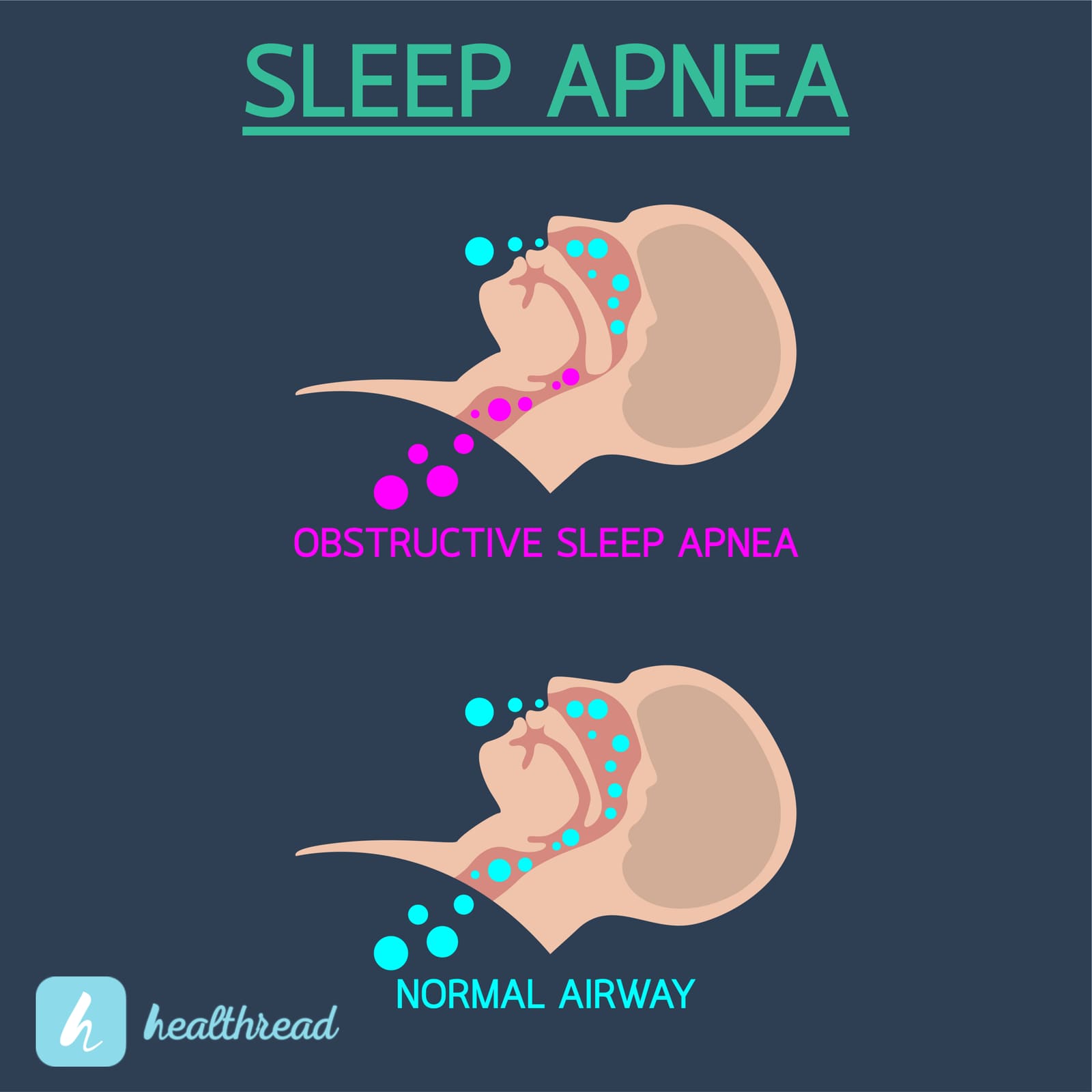
Does your spouse or partner say you snore a lot? Is your day impacted by fatigue or brain fog? Many possible things could be contributing to issues like this—sleep apnea is one of them.
Sleep apnea affects about 22 million Americans, according to the American Sleep Apnea Association. Incredibly, as many as 80 percent of the cases considered moderate to severe are undiagnosed! Keep reading to learn some important facts about this condition, including who gets it, what the signs and symptoms are, and how it's treated.
Understanding Sleep Apnea: Causes and Risk Factors
While multiple types of sleep apnea exist, the most common is called obstructive sleep apnea (OSA). OSA causes a person to repeatedly stop and start breathing as they sleep—sometimes as much as 30 times per hour or more, all throughout the night! It happens when the muscles in the back of your throat relax too much, leading to a narrowed or closed airway for at least 10 seconds. This leads to insufficient amounts of oxygen in the blood along with a buid up of carbon dioxide—which signals your brain to rouse you from sleep and reopen your airway. The temporary re-awakening is often so brief that you may not even remember it.
Two other types of sleep apnea exist: central sleep apnea, in which the airway is not blocked but the brain doesn't send proper signals to the muscles that help you breathe, and complex sleep apnea, which is a combination of central apnea and OSA.
As you can imagine, sleep apnea may lead to a variety of negative consequences and in general is considered a serious medical condition on its own. According to Mayo Clinic, sleep apnea is shown to be associated with various complications including glaucoma and other eye diseases, poor work and acacemic performance, accidents, high blood pressure, heart disease (including coronary artery disease, heart failure, heart attack, abnormal heart rhythms, and stroke), and even complications with medications and surgery. According to the National Sleep Foundation, research from the U.S. Centers for Disease Control and Prevention (CDC) also shows sleep apnea makes you more likely to experience depression.
While anyone can get sleep apnea, you may be more at risk if you have certain known risk factors, including:
- Overweight or obesity
- Hypothyoridism
- Polycystic ovarian syndrome (PCOS)
- Enlarged tonsils or adenoids, or an unusually narrowed airway
- High blood pressure
- Smoking
- Diabetes
- Male gender (although sleep apnea increases among women after menopause)
- Chronic nasal congestion
- Asthma
- A family history of sleep apnea
Having sleep apnea may also disturb your partner's sleep, as well—this can negatively impact your relationship and even their physical and mental health, too.
10 Major Signs and Symptoms of Sleep Apnea
As mentioned, a surprising number of people have sleep apnea and aren't even aware of it (although their partners may suspect something is wrong because they're kept awake at night!). According to Mayo Clinic, the following issues are common warning signs and symptoms of sleep apnea:
- 1.Excessive daytime sleepiness and impaired mental performance (e.g., focus, memory, concentration)
- 2.Loud snoring
- 3.Observed episodes of pauses in breathing while sleep
- 4.Abrupt awakenings accompanied by gasping, snorting, or choking
- 5.Waking up with a dry mouth or sore throat
- 6.Morning headache
- 7.Experiencing mood changes, such as depression or irritability
- 8.High blood pressure
- 9.Nighttime sweating
- 10.Decreased libido (sex drive)
The only way to know for sure if sleep apnea is causing your symptoms is to see a medical provider who can diagnose the condition and rule out other issues which may be contributing to your symptoms. Diagnosis may include the assessment of your medical and family history, a physical exam, and referral to sleep specialist who may request an overnight sleep study (polysomnography) so they can monitor you while you sleep.
Treatment and Tips for Living with Sleep Apnea
While sleep apnea likely cannot be cured, there are things you can do to dramatically improve symptoms and sleep quality. Here are a few leading treatments, according to experts:
- Continuous positive airway pressure (CPAP) machine: These electric machines are about the size of a shoebox and contain a long flexible hose attached to a face mask that you wear at night as you sleep. The machine forces air through your airway and prevents your throat from closing; its settings can be adjusted to meet your specific needs. While CPAP is considered a first-line treatment of sleep apnea, you should only use a CPAP machine if and as directed by your physician. Your doctor may also recommend other types of positive airway pressure machines.
- Weight loss and management: in addition to CPAP machines, weight loss is considered one of the best treatments for sleep apnea. According to Harvard Medical School, even just a 10 percent reduction in excess body weight can improve sleep apnea symptoms.
- Nighttime mouthpieces: these push the lower jaw or tongue forward in order to help keep the airway open and reduce snoring.
- Surgical procedures: in some cases your medical team may recommend surgical procedures to address symptoms of apnea or treat the condition directly. Surgeries for sleep apnea may include uvulopalatopharyngoplasty (removal of tissue from the mouuth and top of throat), upper airway stimulation, surgery to move the jaw bone forward relative to your facial bones (maxillomandibular advancement), and soft palate implants.
In addition to these treatments, you may also consider additional lifestyle modifications and strategies, including:
- Alter your sleeping position—some research shows that sleep apnea gets worse for some people if they sleep on their backs, but may improve if they sleep on their sides
- Exercise regularly (this helps address weight loss, can improve sleep quality, and is also important for managing other co-morbid conditions associated with sleep apnea)
- Avoid sedative medications, including sleeping pills
- Quit smoking and drink alcohol moderately or not at all
Is Sleep Apnea Impairing Your Mood, Energy, Health, and Career or School?
Sleep disorders, including sleep apnea, are a major contribute to chronic health conditions. Contact your doctor if you're concerned about your or your partner's breathing during sleep, and get to know our Healthread community to find others who are living (and sleeping) well with sleep apnea!
Additional resources:
- American Sleep Apnea Association (helpful sleeping tips!)
Sources
- 1mayoclinic.org/diseases-conditions/obstructive-sleep-apnea/symptoms-causes/syc-20352090
- 2pubmed.ncbi.nlm.nih.gov/23669094/
- 3health.harvard.edu/blog/weight-loss-breathing-devices-still-best-for-treating-obstructive-sleep-apnea-201310026713
- 4sleepapnea.org/learn/sleep-apnea-information-clinicians/
- 5ncbi.nlm.nih.gov/pmc/articles/PMC4835326/
General information, not medical advice
This article can't account for your health history or current treatment. Talk to a qualified clinician before you change anything about your care.
Read our medical disclaimer →
On this page
Understanding Sleep Apnea: Causes and Risk Factors
10 Major Signs and Symptoms of Sleep Apnea
Treatment and Tips for Living with Sleep Apnea
Is Sleep Apnea Impairing Your Mood, Energy, Health, and Career or School?
Sources
Put what you read to work
Track your medicines, check a symptom and talk with people managing the same condition, all in Healthread.
Get the app
Keep reading

Beauty and Anti-Aging
Gastric Balloon for Weight Loss
The gastric balloon weight loss procedure is a new FDA-approved minimally invasive bariatric procedure for treating obesity. It is a temporary procedure that involves placing a saline-filled silicone balloon in the…
June 19, 2025 · 3 min read
Beauty and Anti-Aging
Vitamin D Deficiency
Also known as the sunshine vitamin, vitamin D is an essential nutrient that is naturally absorbed by the skin through exposure to sunlight. It can also be obtained from dietary sources and supplements.
December 30, 2024 · 3 min read
Cancer-Updates
Gynecologic Cancer
Gynecologic cancer is a term used to describe a group of cancers that affect the female reproductive system. There are five types of gynecologic cancers named after the body part where they start.
November 5, 2024 · 3 min read


© 2026 Healthread
English · Español
Healthread does not provide medical advice, diagnosis or treatment. Always speak to a qualified clinician about your care.