

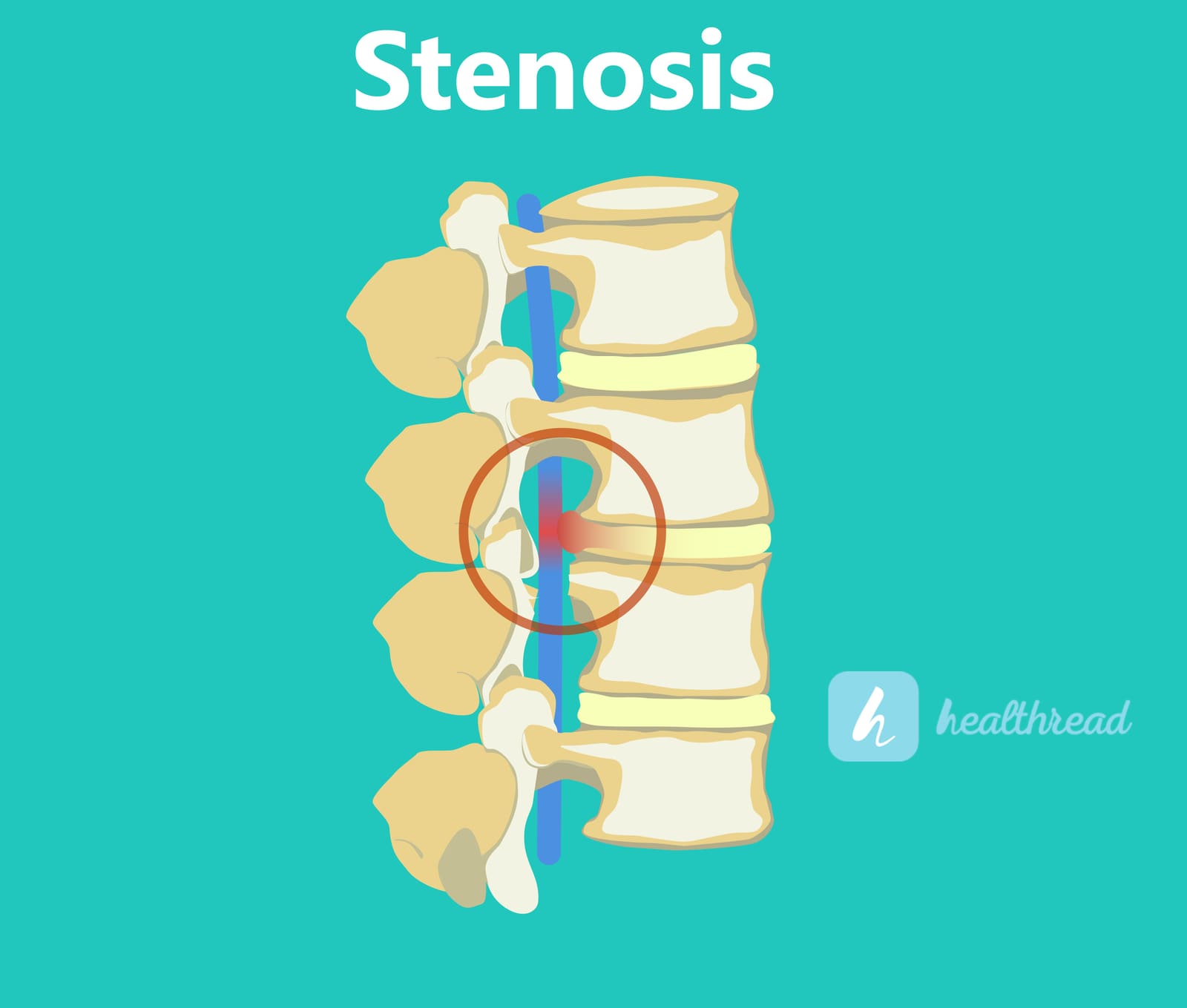
Your spine consists of your vertebrae (small bones) stacked on top of each other. Ligaments, muscles, intervertebral discs, and nerves are additional spine parts. Getting an understanding of your spine and the way it works will help you understand spinal stenosis better.
What Is Spinal Stenosis?
Spinal stenosis is a narrowing of spaces in your spine. Less space in your spine decreases how much space you have available for your nerves and spinal cord. A space that's tightened could cause your nerves or spinal cord to become compressed, irritated, or pinched, leading to sciatica and back pain.
Spinal stenosis typically develops gradually over time. The most common causes are "wear and tear" changes and osteoarthritis that occur naturally as you age in your spine. Because of this, you might not experience symptoms for a while despite the doctor seeing changes on imaging tests like X-rays if taken for another reason.
Anybody who is over 50 years old is at risk for spinal stenosis, reports the American College of Rheumatology. The key to coming up with the right diagnosis is your medical history. This disease's impact varies greatly between patients.
How Many People Have Spinal Stenosis?
Around 250,000 to 500,000 individuals in the U.S.A have spinal stenosis symptoms, according to Medscape. This makes up around one per 1000 individuals over the age of 65 and around five of every 1000 individuals over the age of 50. Around 70 million individuals in the U.S. are over the age of 50 years old and estimates show this number will grow in the next decade alone by 18 million, which suggests the prevalence of this condition will increase.
What Are the Symptoms of Spinal Stenosis?
Symptoms of Spinal Stenosis may include:
- 1.Back pain. With spinal stenosis, you might or might not experience back pain, depending on what degree your arthritis has developed.
- 2.Tingling or numbness in the legs or buttocks. As you experience increased pressure on your nerve, tingling and numbness often occur with burning pain. But, not everyone will experience both tingling and numbness, and burning pain.
- 3.Sciatica (burning pain in legs or buttocks). Spinal nerve pressure can lead to pain in areas your nerves supply. Some describe the pain as a burning feeling or an ache. It usually begins in the buttocks area and spreads down the leg. It could lead to pain in your foot as it progresses.
- 4.Less pain when you sit or lean forward. Leaning forward could increase the available space for your nerves. A lot of individuals might say they experience relief when they lean forward and particularly when they sit. Pain is typically worsened when they stand up straight and walk. But walking more than a couple of blocks can bring on weakness and severe sciatica.
- 5.Leg weakness or "foot drop". After the pressure gets to a critical level, you can experience weakness in one or both of your legs. Certain people will experience a foot drop, where it feels like your foot slaps the ground when you walk.
How Is Spinal Stenosis Diagnosed?
A neurosurgeon makes the diagnosis based on your:
- Symptoms
- History
- Test results
- Physical exam
Imaging studies used might include:
- X-rays: This type of imaging focuses radiation throughout your body to generate images and show the structure of your bones, the outline of your joints, and the alignment of your spine.
- MRI: Generates images through the use of computer technology and powerful magnets and can show nerve roots, spinal cord, and surrounding areas along with degeneration, enlargement, and tumors.
- CT Scan: Generates images by combining various X-rays together, showing the size and shape of your spinal canal, its structures around it, and contents with bony anatomy details.
- Myelogram: This testing injects a contrast dye into your cerebrospinal fluid (spinal fluid space) to outline the spinal cord and nerves and identify any pressure impact in these areas; viewed on X-rays and in some cases, with a CT scan.
What Are the Treatments for Spinal Stenosis?
Spinal stenosis treatment depends on the stenosis location and how severe your symptoms are.
Consult with your physician about which plan of treatment is ideal for your individual situation. If you're experiencing mild symptoms or none at all, your physician might monitor your condition through routine follow-up appointments. They might offer you self-care tips you can implement at home. Some treatment options they might prescribe are:
1. Medications
Your physician might prescribe:
- Pain killers: Pain medicine like naproxen (Aleve), ibuprofen (Motrin IB, Advil), and acetaminophen (Tylenol) might be used temporarily for easing the spinal stenosis discomfort. They're usually suggested for a brief period of time only.
- Anti-seizure medications: Certain anti-seizure medications like pregabalin (Lyrica) and gabapentin (Neurontin) are used for reducing pain damaged nerves cause.
- Antidepressants: Taking tricyclic antidepressants nightly like amitriptyline, can help alleviate chronic pain.
- Opioids: Medications containing codeine-related drugs like hydrocodone and oxycodone might help for short-term relief of pain. They are habit-forming, therefore they shouldn't be taken long-term.
2. Steroid Injections
You might experience swollen and aggravated nerve roots in the areas where they're being pinched. Steroid injections won't make the stenosis go away, but they could help decrease the inflammation and ease some of the pain.
3. Physical Therapy
It's common for individuals with spinal stenosis to become less active because they're trying to decrease pain. But, this could lead to weakness in the muscles, resulting in more pain. A physical therapist will show you certain exercises that could help:
- Maintain the stability and flexibility of your spine
- Build up your endurance and strength
- Improve your balance
4. Decompression Procedure
In this procedure, the physician uses needle-like tools for removing a part of a thick ligament in your spinal column in the back for increasing space in your spinal canal and removing nerve root impingement. Only those with a thick ligament and lumbar spinal stenosis are eligible for a decompression procedure.
5. Surgery
Your doctor might suggest surgery if other treatments aren't helping or if your symptoms disable you. The goal of surgery is to relieve spinal cord pressure or pressure on your nerve roots through the creation of more space in your spinal canal. The most definitive way of resolving spinal stenosis symptoms is to decompress the area of stenosis through surgery.
Research points out that there are fewer complications with spinal surgeries when performed by a highly experienced surgeon. Be sure you find out your surgeon's level of experience with spinal stenosis surgery and get a second opinion if you have any doubts.
Are You Dealing With Spinal Stenosis?
Visit Healthread to connect with other people who also have spinal stenosis and are looking for tips and information on relieving their symptoms and gaining more information on their condition. You are not alone in this. It can be helpful to lean on other people other than your family, friends and doctor.
Other Related Spinal Stenosis Articles on Healthread
Spinal Surgeries for Degenerative Diseases of the Spine
Osteoarthritis of the Spine
Sources
General information, not medical advice
This article can't account for your health history or current treatment. Talk to a qualified clinician before you change anything about your care.
Read our medical disclaimer →
On this page
What Is Spinal Stenosis?
How Many People Have Spinal Stenosis?
What Are the Symptoms of Spinal Stenosis?
How Is Spinal Stenosis Diagnosed?
What Are the Treatments for Spinal Stenosis?
1. Medications
2. Steroid Injections
3. Physical Therapy
4. Decompression Procedure
5. Surgery
Are You Dealing With Spinal Stenosis?
Other Related Spinal Stenosis Articles on Healthread
Spinal Surgeries for Degenerative Diseases of the Spine
Osteoarthritis of the Spine
Sources
Put what you read to work
Track your medicines, check a symptom and talk with people managing the same condition, all in Healthread.
Get the app
Keep reading
Beauty and Anti-Aging
Gastric Balloon for Weight Loss
The gastric balloon weight loss procedure is a new FDA-approved minimally invasive bariatric procedure for treating obesity. It is a temporary procedure that involves placing a saline-filled silicone balloon in the…
June 19, 2025 · 3 min read
Beauty and Anti-Aging
Vitamin D Deficiency
Also known as the sunshine vitamin, vitamin D is an essential nutrient that is naturally absorbed by the skin through exposure to sunlight. It can also be obtained from dietary sources and supplements.
December 30, 2024 · 3 min read
Cancer-Updates
Gynecologic Cancer
Gynecologic cancer is a term used to describe a group of cancers that affect the female reproductive system. There are five types of gynecologic cancers named after the body part where they start.
November 5, 2024 · 3 min read


© 2026 Healthread
English · Español
Healthread does not provide medical advice, diagnosis or treatment. Always speak to a qualified clinician about your care.