

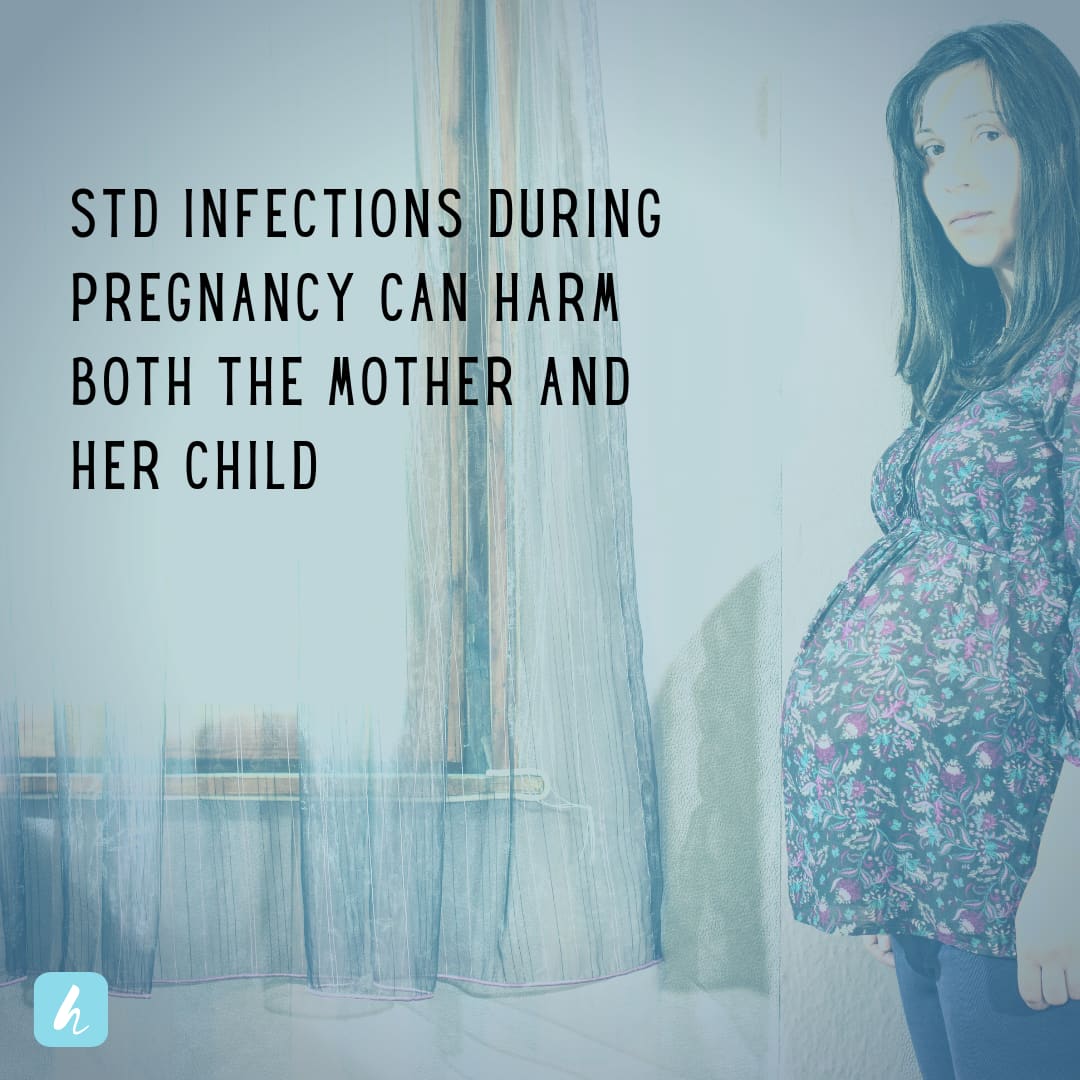
Sexually transmitted diseases, commonly referred to as STDs, are diseases that are spread through sexual contact and sexual intercourse, whether it be penetration through the anus, mouth, or vagina.
There are several types of sexually transmitted diseases and sexually transmitted infections (STIs) that affect the body in different ways including viral and bacterial infections.
April is marked as the month to bring awareness to sexually transmitted infections among sexually active individuals. This article, along with others we’ve provided about STI to Healthread readers, is to help contribute to this initiative. Continue reading to better understand the risk STDs and STIs pose for an expectant mother and fetus.
Symptoms of a sexually transmitted disease
STDs affect all individuals differently and some produce little to no symptoms at all. Symptoms of sexually transmitted diseases include:
- Bumps or sores on or around the anus, mouth, or vagina
- Redness, swelling, or itching near the genitals
- Rash
- Pain with urinating
- Fever and/or chills
- Pain during intercourse
- Abnormal bleeding for women that is not consistent with their menstrual cycle
Can I get an STD while pregnant?
A sexually transmitted disease or infection can be contracted by a woman who is exposed to an infected partner during pregnancy. You may wonder if this poses a risk to the unborn baby a woman is carrying.
If you are under the care of an obstetrician during pregnancy, you’ll undergo various testing through blood tests, as well as a pelvic exam, to ensure you obtain a clean bill of health. During these routine exams, your physician will conduct testing to determine if you have been infected by a sexually transmitted disease.
Treatment options are available for certain STDs and STIs, so it’s essential to ensure you keep all appointments with your doctor.
How can a sexually transmitted disease affect my baby?
The effects of sexually transmitted diseases on an expectant mother have often been recognized right away. Unfortunately, the effects on an unborn baby often go unnoticed until delivery or after birth.
Each sexually transmitted disease has different effects. For example:
- Chlamydia is a bacterial infection that often does not produce symptoms in those infected. However, after birth, your baby may experience a severe eye infection or even pneumonia — both of which can be serious to your little one’s health. The mother is often treated with antibiotics, while the pediatrician will give the baby an antibiotic eye cream after birth.
- Genital herpes is often associated with pain and sores around the genitals. A mother with an active herpes infection at the time of delivery is at an increased risk of transferring the infection to their baby as they are born. Because of this, expectant mothers with an active infection at the time of delivery are often required to undergo a cesarean to reduce the risk of infecting their baby.
- Gonorrhea is a bacterial infection that affects men and women, though it produces different symptoms for both. While both may experience abnormal discharge and pain when urinating, women often experience lower abdominal pain. Gonorrhea can lead to blindness, eye infections, joint infections, or even blood infections if the mother has an active infection at the time of delivery. The mother will be treated with antibiotics, while a newborn will be treated with antibiotic eye ointment to prevent eye infections.
In addition, sexually transmitted diseases during pregnancy can lead to low birth weight, recurring eye infections, brain damage, blindness, deafness, meningitis, and stillbirth.
How are sexually transmitted diseases treated during pregnancy?
Some sexually transmitted diseases, such as HIV and Hepatitis B, have no known cure, meaning treatment is available to manage symptoms associated with these diseases, but treatment is not available for a cure. However, other STDs, like chlamydia and syphilis, are treated with antibiotics or antiviral medications under the direct supervision of your doctor.
It is important to maintain all scheduled visits to your obstetrician during pregnancy, especially if you are undergoing treatment for an STD to monitor for any adverse reactions to the treatment regimen.
How to prevent STDs during pregnancy
The only true way to prevent contracting a sexually transmitted disease or infection is by living a life of abstinence without oral, anal, or vaginal penetration. However, you can reduce the risk of infection. It is important to undergo safe sex practices, including the regular use of condoms, STD screening before or after partner changes, and ensuring your partner is tested as well.
If you are experiencing symptoms of a sexually transmitted disease, reach out to your health care provider right away to determine the cause and initiate treatment as soon as possible to protect you and your baby. And, for support or just to talk about this topic, reach out to other Healthread members to carry on this dialogue.
Sources
General information, not medical advice
This article can't account for your health history or current treatment. Talk to a qualified clinician before you change anything about your care.
Read our medical disclaimer →
On this page
Symptoms of a sexually transmitted disease
Can I get an STD while pregnant?
How can a sexually transmitted disease affect my baby?
How are sexually transmitted diseases treated during pregnancy?
How to prevent STDs during pregnancy
Sources
Put what you read to work
Track your medicines, check a symptom and talk with people managing the same condition, all in Healthread.
Get the app
Keep reading
Beauty and Anti-Aging
Gastric Balloon for Weight Loss
The gastric balloon weight loss procedure is a new FDA-approved minimally invasive bariatric procedure for treating obesity. It is a temporary procedure that involves placing a saline-filled silicone balloon in the…
June 19, 2025 · 3 min read

Beauty and Anti-Aging
Vitamin D Deficiency
Also known as the sunshine vitamin, vitamin D is an essential nutrient that is naturally absorbed by the skin through exposure to sunlight. It can also be obtained from dietary sources and supplements.
December 30, 2024 · 3 min read

Cancer-Updates
Gynecologic Cancer
Gynecologic cancer is a term used to describe a group of cancers that affect the female reproductive system. There are five types of gynecologic cancers named after the body part where they start.
November 5, 2024 · 3 min read


© 2026 Healthread
English · Español
Healthread does not provide medical advice, diagnosis or treatment. Always speak to a qualified clinician about your care.