

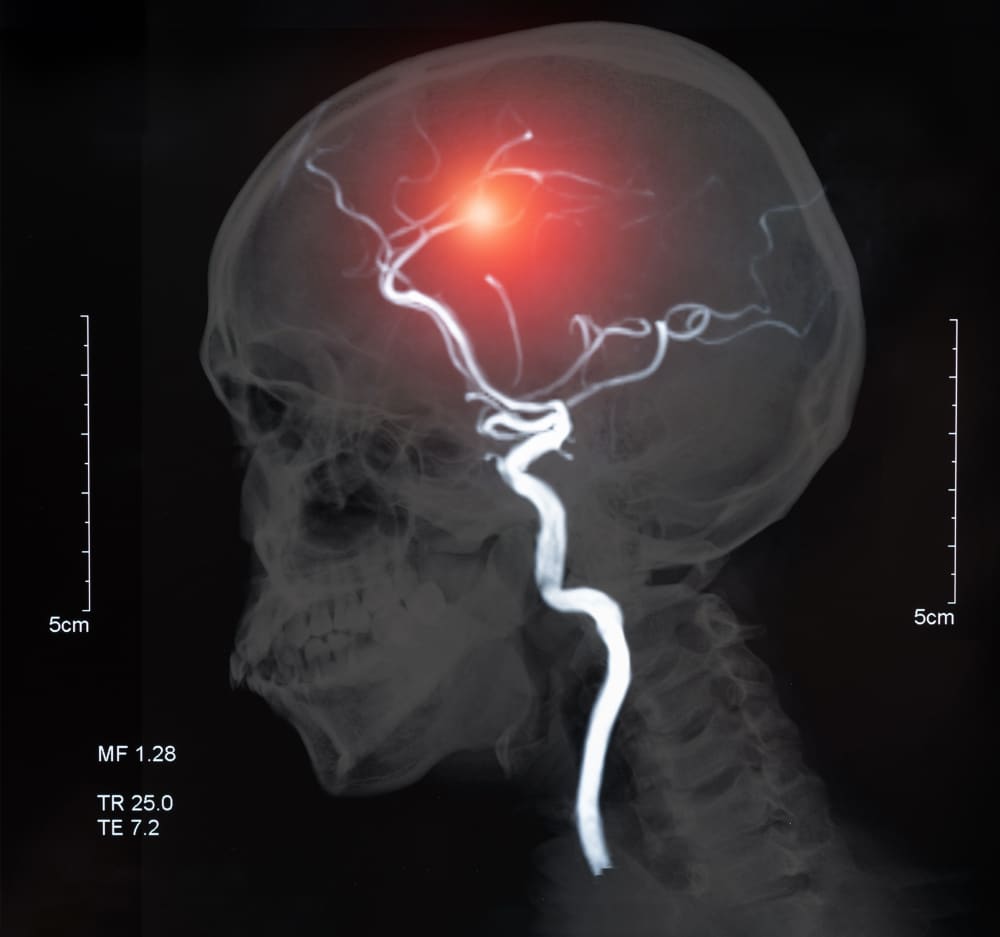
Strokes are among the leading causes of deaths and impairments. Blood vessels carry nutrients and oxygen to the brain. If those blood vessels are blocked, or they rupture, the cells in the brain that no longer receive those nutrients and oxygen will die. The body part affected by that part of the brain will not function correctly.
A stroke is a medical emergency where every second counts. Time is truly of the essence and can make the difference between life, death, or permanent disability. Call 911 immediately when a stroke is suspected.
Stroke Symptoms
Strokes come on suddenly. A person can seem fine one minute and in terrible condition the next. Suspect stroke if any of the following symptoms occur:
- Numbness on one side of the body, or an arm, leg or the face
- Sudden vision issues
- Severe headache that comes on quickly
- Difficulty speaking or comprehending others’ speech
- Problems with walking or balancing
Types of Strokes
There are three different types of strokes. The most common is the ischemic stroke, in which blood flowing through the artery supplying oxygen to the brain is blocked. This blockage usually results from blood clots.
Hemorrhagic strokes occur when an artery in the brain ruptures or leaks. Aneurysms and high blood pressure may cause hemorrhagic strokes.
The third type of stroke is a transient ischemic attack (TIA), which is sometimes referred to as a mini stroke. TIAs block blood flow to the brain for just a short period. It is still a medical emergency and is often a warning that major stroke is on the way. Roughly one-third of those who do not receive treatment for their TIA will suffer a major stroke within a year.
Stroke Risk Factors
Older people are more prone to strokes, although they can occur at any age. Those with a family history of stroke are at greater risk than those without such a genetic history. Although anyone may suffer a stroke, in the U.S. the risk is higher in African Americans, Latinx, and native peoples than in Caucasians. This is likely the result of higher rates of cardiovascular disease in these populations.
Anyone with the following conditions is at increased risk of stroke:
- Bleeding disorders
- Brain aneurysm
- Cardiovascular disease
- Certain autoimmune diseases, such as rheumatoid arthritis or lupus
- Diabetes
- High blood pressure
- High cholesterol
- Obesity
- Sleep apnea
Smokers and those with high-stress levels are more vulnerable to stroke. Living in an area with a great deal of air pollution is another risk factor. In general, anyone with unhealthy lifestyle habits, such as poor diet, insufficient exercise, excessive alcohol consumption, and substance abuse increases the odds of suffering a stroke.
In general, men have a higher risk of stroke than women. However, the use of estrogen hormone therapies, including some types of birth control, can increase stroke risk in females.
Stroke Diagnosis
A patient’s prognosis is better if their stroke is diagnosed within a few hours. Even though only a medical professional can accurately diagnose a stroke, if you think a relative or friend is experiencing a stroke, ask them to do the “FAST” test. It consists of:
- Face – Ask the person to smile and watch for drooping on one side.
- Arms – Ask them to raise both arms. Look for drooping or the inability to raise an arm on one side.
- Speech –Ask the person to repeat some words and listen for slurred speech.
- Time –This means do not waste time but call 911 immediately.
If you are the person experiencing the stroke, do not attempt to drive yourself to the hospital. Have emergency personnel transport you in an ambulance.
Stroke Treatment
Once the patient arrives at the hospital, they will undergo some sort of imaging test, such as a CT scan, so that doctors can determine what kind of stroke the person suffered. If it is an ischemic stroke, the doctors administer medication to break up the blood clot. This is usually via intravenous injection of alteplase, a recombinant tissue plasminogen activator.
Sometimes, doctors treat ischemic stroke by either delivering medication directly to the brain through a catheter inserted into the groin or using a device known as a stent retriever to remove the blood vessel blockage.
With a hemorrhagic stroke, stopping the bleeding is the priority. Various drugs are given, including those to lower pressure in the brain or blood pressure. Surgery is often necessary to remove the blood, thus relieving pressure. The surgeon then repairs the affected blood vessel.
Stroke Recovery
Those recovering from a stroke will require a rehabilitation program afterward. Some people are mildly affected by their stroke, while others are severely affected and may never recover. The doctor recommends the most strenuous program a patient can handle, and that will differ by the person. It will also depend on age, general health, and whether caregivers are available.
Sources
- 1mayoclinic.org/diseases-conditions/stroke/symptoms-causes/syc-20350113
- 2cdc.gov/stroke/types_of_stroke.htm
- 3stroke.org/en/about-stroke
- 4medlineplus.gov/stroke.html
- 5ninds.nih.gov/Disorders/All-Disorders/Stroke-Information-Page
- 6stroke.org/en/help-and-support/support-you-are-not-alone/support-group-leader-resources/finding-support-groups
General information, not medical advice
This article can't account for your health history or current treatment. Talk to a qualified clinician before you change anything about your care.
Read our medical disclaimer →
On this page
Stroke Symptoms
Types of Strokes
Stroke Risk Factors
Stroke Diagnosis
Stroke Treatment
Stroke Recovery
Sources
Put what you read to work
Track your medicines, check a symptom and talk with people managing the same condition, all in Healthread.
Get the app
Keep reading
Beauty and Anti-Aging
Gastric Balloon for Weight Loss
The gastric balloon weight loss procedure is a new FDA-approved minimally invasive bariatric procedure for treating obesity. It is a temporary procedure that involves placing a saline-filled silicone balloon in the…
June 19, 2025 · 3 min read
Beauty and Anti-Aging
Vitamin D Deficiency
Also known as the sunshine vitamin, vitamin D is an essential nutrient that is naturally absorbed by the skin through exposure to sunlight. It can also be obtained from dietary sources and supplements.
December 30, 2024 · 3 min read

Cancer-Updates
Gynecologic Cancer
Gynecologic cancer is a term used to describe a group of cancers that affect the female reproductive system. There are five types of gynecologic cancers named after the body part where they start.
November 5, 2024 · 3 min read


© 2026 Healthread
English · Español
Healthread does not provide medical advice, diagnosis or treatment. Always speak to a qualified clinician about your care.