

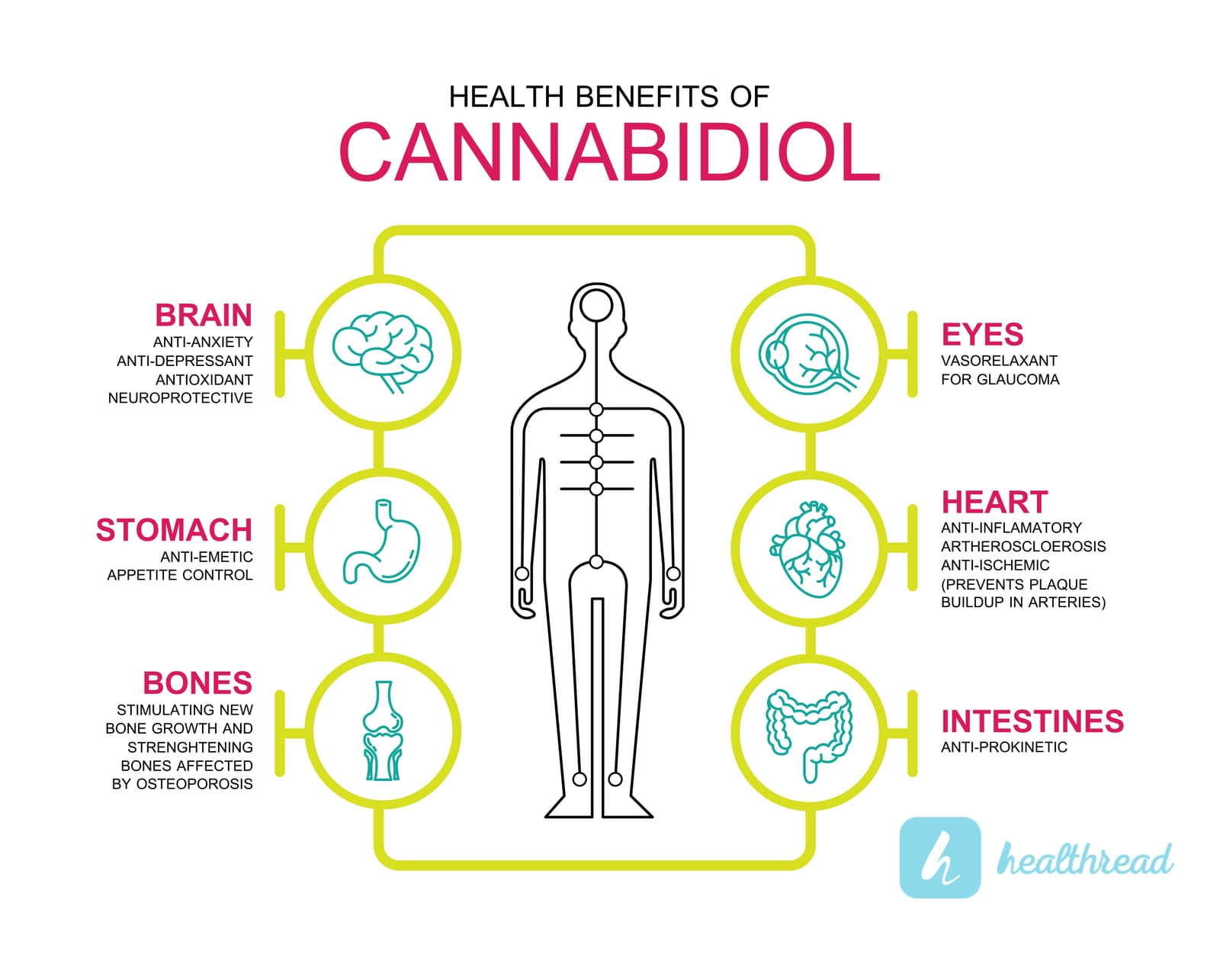
Medical cannabis has been legalized in 33 states to date, with an additional 14 states allowing its use with a restriction on the active chemical compound level. With the growing availability of medical cannabis in the United States, more and more people are wondering about its benefits — and negative side effects.
What is medical cannabis? Is it different from recreational cannabis?
Medical cannabis, or medical marijuana, is cannabis that has been prescribed by a doctor for medical use. Both medical and recreational cannabis involve the intake of a cannabis species of plant that has the same biochemical reaction in the body. The difference between these two terms only refers to the channels, and in some states — legality, of how the cannabis was obtained.
How does cannabis work?
The active chemical in cannabis is a cannabinoid called tetrahydrocannabinol, or THC. When cannabis is inhaled or consumed, THC is absorbed into your blood stream. From there, the chemical is distributed throughout your vasculature network, where it can interact and signal different cell types that are expressing the cannabinoid receptor protein on its cell surface. For those keeping track, the cannabinoid receptor is a type of G-protein coupled receptor (GPCR), which makes up the biggest receptor protein class with over 800 known variants. Over a third of all FDA approved drugs target GPCR proteins. While GPCRs are found on the surface of all cells in your body, cannabinoid receptors are most widely expressed on cells of the central nervous system and the immune system. When THC binds cannabinoid receptors, an internal cellular signaling cascade is activated, which changes the behavior of several different kinds of proteins, including ion channels at the cell surface. The end result is a local change in how those cells behave biochemically with their surroundings. More THC in your system results in more cannabinoid receptors being activated, meaning more cells undergo a signaling change. With enough cells effected, you start to feel the bulk effects of these changes which we'll go over next.
An interesting point to note: the cells of our bodies do not make cannabinoid receptors just on the off chance you'll get THC in your system. Our bodies create naturally occurring signaling molecules, called endocannabinoids, which are needed to maintain our normal homeostasis. However, our endocannabinoids levels are several magnitude lower from the THC that's in our systems when we consume or smoke cannabis. Experiencing THC can be so intense because it floods the natural system.
What are the benefits of medical cannabis?
So what happens when THC floods all those cannabinoid receptors? How do you actually feel? Effects can vary significantly from person to person, depending on your own base homeostatic processes involving cannabinoid receptor signaling. In general, since these receptors are involved in signaling for appetite, memory, movement, and pain, patients will often experience the following:
- Pain relief and a reduction of inflammation
- Control of nausea and vomiting (common side effects of chemotherapy)
- Relaxed muscles
- Reduced anxiety
- Stimulate appetite (and improve weight gain)
These benefits have been scientifically documented in multiple clinical trials. There are also early studies showing that THC may slow tumor growth, although findings depended on cancer type and no large scale clinical trials have been conducted. Scientists are currently working to understand how THC signaling through cannabinoid receptors regulates the cellular processes involved in tumor evolution, including its effects on cell growth and cell death, and how THC uptake simultaneously effects the body's immune system.
It's also important to point out that THC, due to its unique biomechanism of action, is widely considered a better option for pain management over opioids.
Are there negative side effects to medical cannabis use?
For all the benefits of medical cannabis, there are several significant drawbacks to consider as well. Typical adverse side effects are not serious, and tolerance can negate these side effects over time, but you may want to have someone nearby to help you if needed. Side effects can include:
- Impaired mental faculties, including motor coordination, judgment, and paranoia
- Dizziness
- Tiredness
- Increased appetite (bad if you don't want to gain weight)
Negative side effects with prolonged use are not as well known. One study found that heavy, long time cannabis users showed a shift in the expression of several proteins linked to cardiovascular disease and hypertriglyceridemia (fatty molecules in the blood). Another study found an increased risk for testicular cancer, although problems with the study have been noted. If cannabis is smoked, an increased risk for developing lung disease is also present. Consuming cannabis in an edible form does not have any lung irritation or disease side effects.
Medical cannabis has several pros and cons, with documented studies to date often showing more benefit for its medical use that outweighs the negative side effects. Consult with a doctor, or medical cannabis certified consultant for more advice.
Source
- 1webmd.com/a-to-z-guides/medical-marijuana-faq
- 2en.wikipedia.org/wiki/Medical_cannabis
- 3health.com/condition/pain/marijuana-benefits-risks
- 4en.wikipedia.org/wiki/Cannabis_(drug
- 5en.wikipedia.org/wiki/Cannabinoid_receptor
- 6nature.com/articles/nrd.2017.178
- 7en.wikipedia.org/wiki/Cannabinoid#Endocannabinoids
- 8health.harvard.edu/blog/access-to-medical-marijuana-reduces-opioid-prescriptions-2018050914509
- 9cancer.gov/about-cancer/treatment/cam/patient/cannabis-pdq
- 10ncbi.nlm.nih.gov/pmc/articles/PMC2797551/
- 11doh.wa.gov/YouandYourFamily/Marijuana/MedicalMarijuana/ConsultantCertificationProgram
General information, not medical advice
This article can't account for your health history or current treatment. Talk to a qualified clinician before you change anything about your care.
Read our medical disclaimer →
On this page
What is medical cannabis? Is it different from recreational cannabis?
How does cannabis work?
What are the benefits of medical cannabis?
Are there negative side effects to medical cannabis use?
Source
Put what you read to work
Track your medicines, check a symptom and talk with people managing the same condition, all in Healthread.
Get the app
Keep reading
Beauty and Anti-Aging
Gastric Balloon for Weight Loss
The gastric balloon weight loss procedure is a new FDA-approved minimally invasive bariatric procedure for treating obesity. It is a temporary procedure that involves placing a saline-filled silicone balloon in the…
June 19, 2025 · 3 min read
Beauty and Anti-Aging
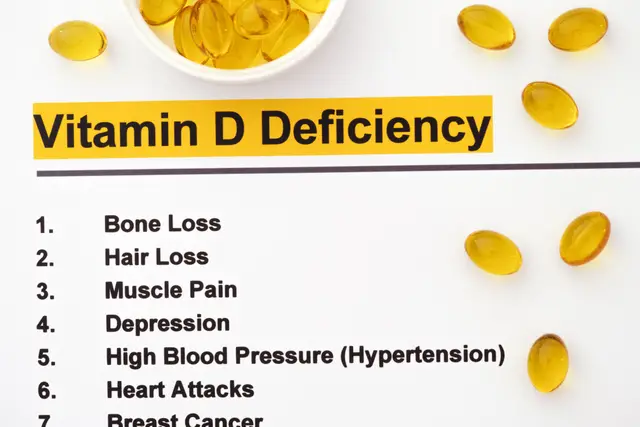
Vitamin D Deficiency
Also known as the sunshine vitamin, vitamin D is an essential nutrient that is naturally absorbed by the skin through exposure to sunlight. It can also be obtained from dietary sources and supplements.
December 30, 2024 · 3 min read
Cancer-Updates
Gynecologic Cancer
Gynecologic cancer is a term used to describe a group of cancers that affect the female reproductive system. There are five types of gynecologic cancers named after the body part where they start.
November 5, 2024 · 3 min read


© 2026 Healthread
English · Español
Healthread does not provide medical advice, diagnosis or treatment. Always speak to a qualified clinician about your care.