

Chronic obstructive pulmonary disease (COPD) is a group of conditions that affects breathing and airflow. Over 15 million Americans have some form of COPD, according to the U.S. Centers for Disease Control and Prevention (CDC).
While not curable, COPD—including bronchitis and emphysema—is manageable using a combination of medications and lifestyle strategies, especially when diagnosed early. Here are some of the most important things you can do to manage your COPD, reduce COPD symptoms, and improve your overall wellbeing.
Work With Your Doctor
When you've been diagnosed with COPD, it's important to lean on your medical team for support and guidance. Your doctors can help you select the best medications and services for you and refer you to other specialists as needed for comprehensive customized care.
Always ask questions and make sure you understand your doctor's instructions. Take all your medications as prescribed, including any supplemental oxygen. Schedule and show up to your appointments and check-ups.
Lastly, don't make any changes to your medications or lifestyle habits without first letting your doctor know.
Make Breathing Exercises a Part of Your Daily Life
For people with COPD, simply taking a deep breath can feel like a challenge. Specific exercises that work on your breathing can improve your respiratory function and even decrease stress and anxiety levels. Common breathing exercises for COPD include:
- Pursed lip breathing
- Belly breathing or diaphragmatic breathing
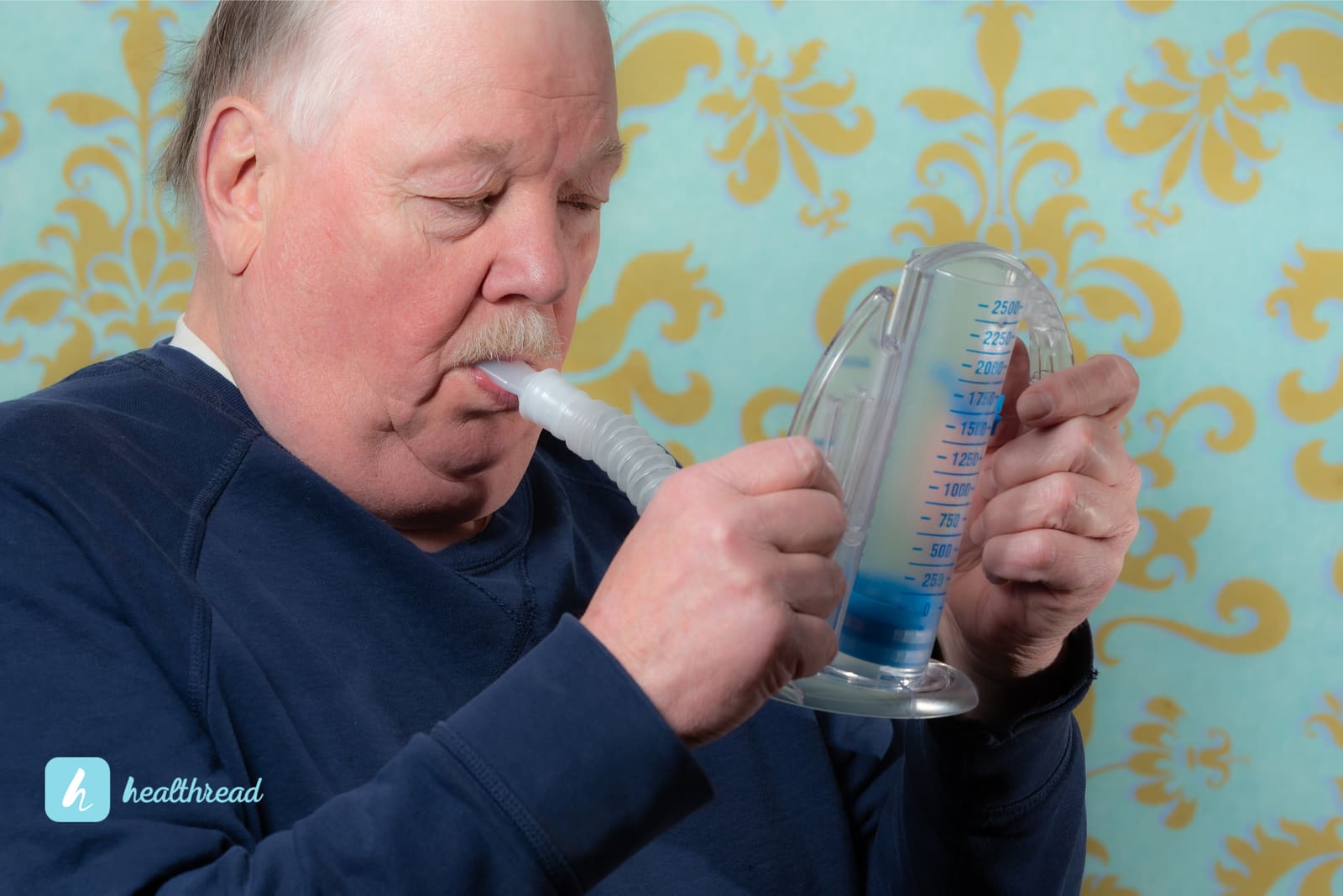
Breathing tools such as an incentive spirometer or Acapella can help. Your doctor can show you how to use them.
Decrease Stress
Living with a chronic health condition is stressful. It's no wonder that depression, anxiety, and other mental health conditions are common in people with COPD. High levels of stress can negatively affect your breathing, exacerbate COPD symptoms, and make it more difficult to care for yourself and others.
In addition to practicing healthy lifestyle habits described in the next section, as well as regularly performing deep breathing exercises mentioned above, you can also decrease stress and improve your mental health by:
- Joining a COPD support group
- Meditating
- Journaling
- Avoiding alcohol
- Making time for your favorite hobbies and activities
- Asking for help (e.g., hiring a housekeeper, signing up for grocery delivery service, getting a ride to and from medical appointments)
- Talking to a psychologist or other mental health professional
Commit to Healthy Lifestyle Habits
Making healthy choices that are good for your overall wellbeing helps you manage your COPD and improve your quality of life. Healthy lifestyle habits can also reduce your risk of common COPD-related complications, including respiratory infections, pulmonary hypertension (high blood pressure inside the arteries in your lungs), depression, and heart problems.
The first and most important healthy habit to adopt when living with COPD is to quit smoking. You should also take steps to avoid other airborne pollutants including dust, pollen, mold, pet dander, and secondhand smoke from others around you. If you're struggling to quit, talk to your doctor for supportive resources.
You can also manage your COPD and improve your overall health by:
- Washing your hands regularly
- Talking to your doctor about which preventive vaccines are right for you, including the influenza and COVID-19 vaccines
- Getting an average of 8 hours of sleep per night
- Participating in some sort of physical activity on most days, including aerobic exercise, stretching, and resistance training (if you're not sure where to start or how to start safely, seek guidance from your doctor or other licensed professional, such as a physical therapist, exercise physiologist, or certified personal trainer)
- Eating a nutritious diet and avoiding processed foods
- Maintaining a healthy weight
When it comes to improving your lifestyle habits, you don't need to be perfect. Work with your health care team to find sustainable strategies that allow you to be consistent with your choices.
Living with COPD?
Looking to connect with other people who have COPD? Be sure to download the Healthread app and find your community today.
Sources
- 1lung.org/lung-health-diseases/lung-disease-lookup/copd/living-with-copd/copd-management-tools
- 2gaapp.org/copd/life-expectancy/
- 3medlineplus.gov/ency/patientinstructions/000700.htm
- 4cdc.gov/dotw/copd/index.html
- 5mayoclinic.org/diseases-conditions/copd/symptoms-causes/syc-20353679
- 6ncbi.nlm.nih.gov/pmc/articles/PMC4740163/
- 7nhs.uk/conditions/chronic-obstructive-pulmonary-dis
General information, not medical advice
This article can't account for your health history or current treatment. Talk to a qualified clinician before you change anything about your care.
Read our medical disclaimer →
On this page
Work With Your Doctor
Make Breathing Exercises a Part of Your Daily Life
Decrease Stress
Commit to Healthy Lifestyle Habits
Living with COPD?
Sources
Put what you read to work
Track your medicines, check a symptom and talk with people managing the same condition, all in Healthread.
Get the app
Keep reading
Beauty and Anti-Aging
Gastric Balloon for Weight Loss
The gastric balloon weight loss procedure is a new FDA-approved minimally invasive bariatric procedure for treating obesity. It is a temporary procedure that involves placing a saline-filled silicone balloon in the…
June 19, 2025 · 3 min read
Beauty and Anti-Aging
Vitamin D Deficiency
Also known as the sunshine vitamin, vitamin D is an essential nutrient that is naturally absorbed by the skin through exposure to sunlight. It can also be obtained from dietary sources and supplements.
December 30, 2024 · 3 min read
Cancer-Updates
Gynecologic Cancer
Gynecologic cancer is a term used to describe a group of cancers that affect the female reproductive system. There are five types of gynecologic cancers named after the body part where they start.
November 5, 2024 · 3 min read


© 2026 Healthread
English · Español
Healthread does not provide medical advice, diagnosis or treatment. Always speak to a qualified clinician about your care.