

In the early 1900s, TB was responsible for the deaths of 1 in 7 people in the U.S. A great scourge for centuries, tuberculosis (TB) is less common now due to the development of effective medications.
However, the number of people with TB has risen in recent decades, especially with the advent of HIV. Anyone can contract TB, but the risk for some populations is much greater than for others. That includes smokers. Tobacco not only increases the odds of contracting TB, but smokers are more likely to die from the disease.
How TB Spreads
Knowing how TB spreads is vital for considering your risk factors. The TB bacteria spread via the air when an infected person speaks, coughs, or sings. When an individual nearby breathes in the bacteria, it settles in the lungs.
Many infected people are asymptomatic, and not actively spreading TB. These are known as latent TB infections. While the bacteria does not spread in the majority of infected persons, when it does it may head to the bloodstream and affect other parts of the body. Common organs include the brain and kidneys, as well as the spine. TB eventually creates holes in tissue.
You cannot catch TB by sharing food and drink, handshaking, or from toilet seats.
An active TB infection may manifest itself within weeks of exposure. It may also lie dormant for years until symptoms appear.
TB Symptoms
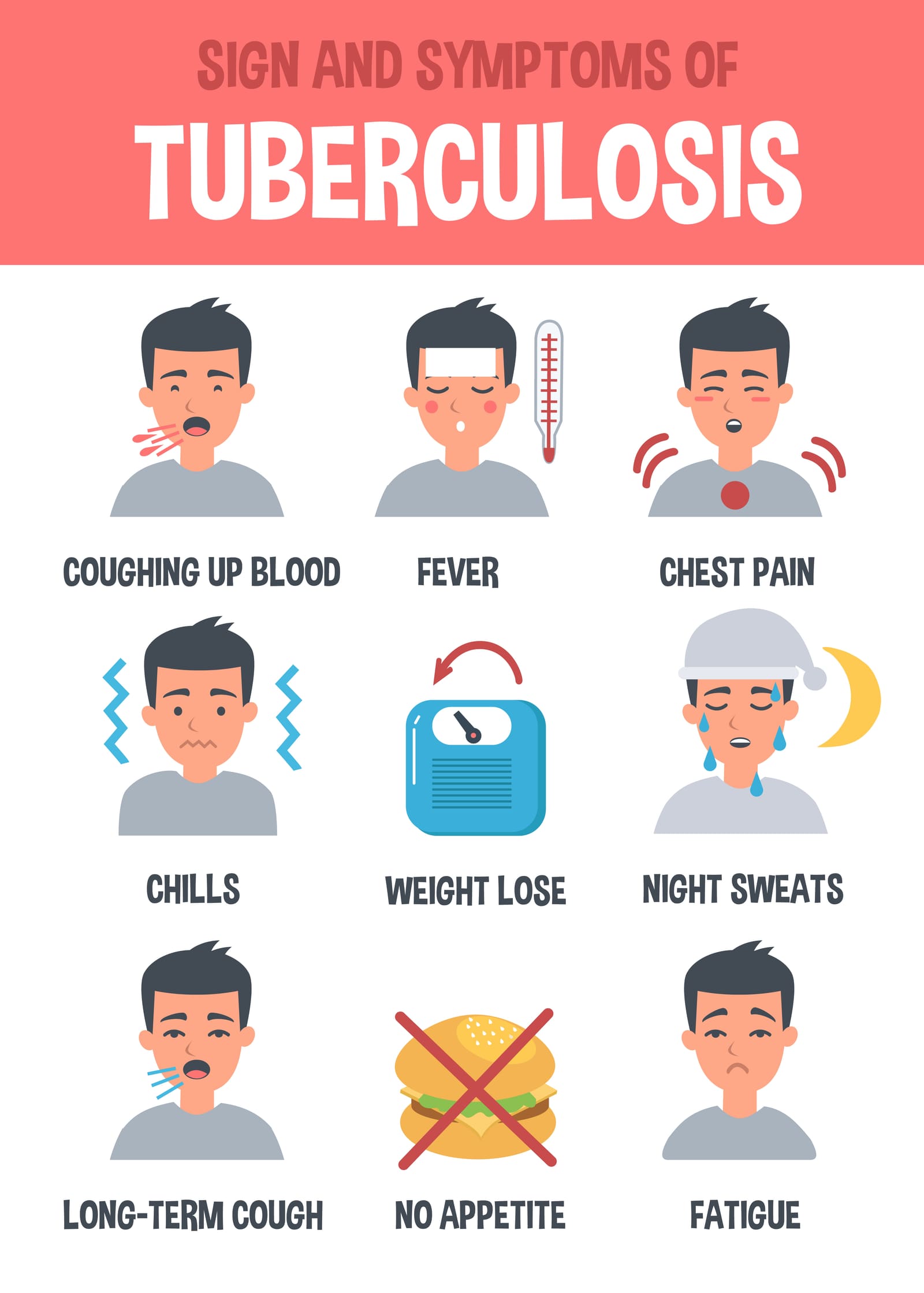
Suspect TB if you have any risk factors and develop some of the following symptoms:
- Long-term bad cough
- Chest pain
- Coughing up blood
- Night sweats
- Loss of appetite
- Fever
- Chills
- Fatigue
- Unexplained weight loss
These symptoms may occur in several conditions, but it is critical to see the doctor for a diagnosis and treatment as soon as possible.
Immigration From Certain Countries
Immigrants from countries where TB is prevalent are among the greatest sources of infection in the West. Such countries or regions include:
- Africa
- Asia
- Caribbean islands
- Eastern Europe
- India
- Latin America
- Russia
Infected immigrants are more likely to spread TB within a few years of contracting the disease. Active TB most often occurs within a few years of exposure, but it can arise anytime.
Of course, it is not only immigrants from hard-hit areas who spread TB. People traveling in those regions are more likely to experience exposure. They then bring the infection back from their vacation or business trips.
Compromised Immune Systems
People with compromised immune systems are at increased risk for TB. The disease began making a comeback in the West in the latter decades of the 20th century in patients suffering from HIV/AIDS. Other diseases or conditions weakening the immune system and increasing the odds of developing TB include:
- Diabetes mellitus
- Head and neck cancers
- Hodgkin’s disease
- Leukemia
- Organ transplants
- Serious kidney disease
- Silicosis
Longtime substance abuse users may develop TB as their immune system breaks down. The same holds true for patients prescribed large doses of corticosteroids or who receive certain treatments for Crohn’s disease, lupus, rheumatoid arthritis, and other autoimmune illnesses. Those who have undergone chemotherapy for cancer are also high-risk.
Very old and very young people have weaker immune systems, so age is a definite risk factor.
Health Care Workers
The people in charge of caring for sick patients are always vulnerable to catching their diseases, and TB is no exception. Health care workers should always wear masks and use other personal protective equipment (PPE) when treating TB patients.
The Prison Population
Many prisons and jails are perfect laboratories for the spread of TB, and the numbers have risen significantly among inmates in recent decades. Not only does TB spread among inmates, but corrections officers, other prison staff, and visitors may also contract TB.
Other Facilities
Other crowded facilities where people are at more risk of TB exposure include nursing homes and homeless shelters. Low-income people without access to medical care are the most frequent TB victims.
Any crowded facility with poor ventilation is a potential TB breeding ground.
TB Diagnosis
A TB diagnosis is done by a skin test. Those with latent TB will have a positive test but may not have symptoms. A chest X-ray and a sputum culture reveal whether active TB is present.
TB Treatment
Most people exposed to TB do not become symptomatic. However, approximately 10 percent of those with latent TB who are not treated will eventually develop the disease. Those testing positive for TB even if latent should receive antibiotic therapy to eradicate the disease.
One of the reasons for the increase in the number of TB cases is drug resistance in many antibiotics used to combat the disease. This may occur because patients do not take the full course of antibiotics, or skip doses. Always take the medications for as long as prescribed and as directed.
Sources
- 1cdc.gov/tb/topic/basics/risk.htm
- 2nationaljewish.org/conditions/tuberculosis-tb/risk-factors
- 3mayoclinic.org/diseases-conditions/tuberculosis/symptoms-causes/syc-20351250
- 4lung.org/lung-health-diseases/lung-disease-lookup/tuberculosis/symptoms-diagnosis
- 5health.ri.gov/diseases/tuberculosis/about/atriskpopulations/
General information, not medical advice
This article can't account for your health history or current treatment. Talk to a qualified clinician before you change anything about your care.
Read our medical disclaimer →
On this page
How TB Spreads
TB Symptoms
Immigration From Certain Countries
Compromised Immune Systems
Health Care Workers
The Prison Population
Other Facilities
TB Diagnosis
TB Treatment
Sources
Put what you read to work
Track your medicines, check a symptom and talk with people managing the same condition, all in Healthread.
Get the app
Keep reading

Beauty and Anti-Aging
Gastric Balloon for Weight Loss
The gastric balloon weight loss procedure is a new FDA-approved minimally invasive bariatric procedure for treating obesity. It is a temporary procedure that involves placing a saline-filled silicone balloon in the…
June 19, 2025 · 3 min read
Beauty and Anti-Aging
Vitamin D Deficiency
Also known as the sunshine vitamin, vitamin D is an essential nutrient that is naturally absorbed by the skin through exposure to sunlight. It can also be obtained from dietary sources and supplements.
December 30, 2024 · 3 min read

Cancer-Updates
Gynecologic Cancer
Gynecologic cancer is a term used to describe a group of cancers that affect the female reproductive system. There are five types of gynecologic cancers named after the body part where they start.
November 5, 2024 · 3 min read


© 2026 Healthread
English · Español
Healthread does not provide medical advice, diagnosis or treatment. Always speak to a qualified clinician about your care.