

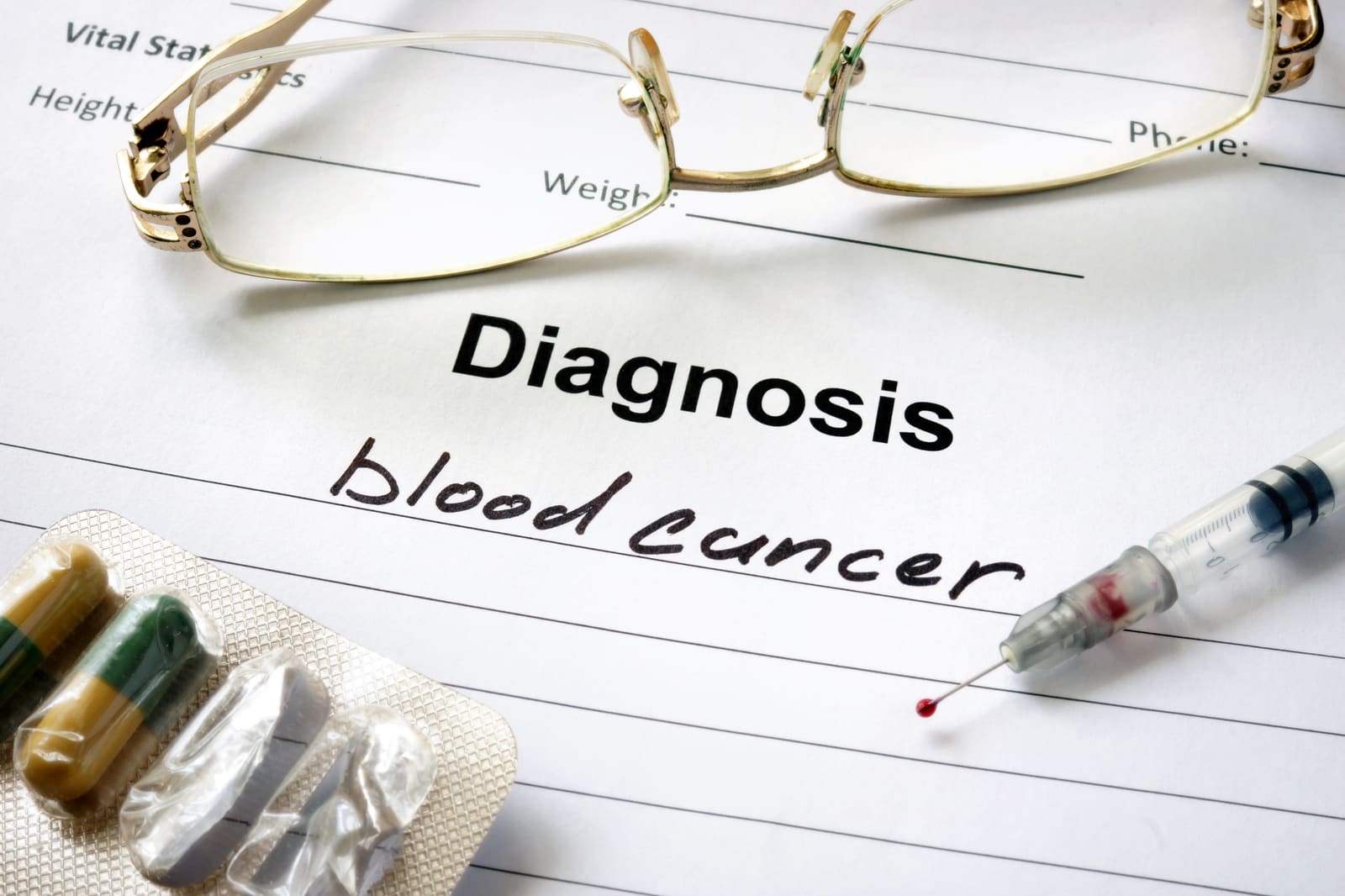
Blood cancers, or hematologic cancers, start in the bone marrow, where blood is produced. The bone marrow comprises stem cells, which, when matured, develop into three types of blood cells: white blood cells, red blood cells, and platelets.
Blood cancer occurs when the production of normal blood cells is hampered because of the uncontrolled growth of abnormal blood cells. The cancerous blood cells disrupt the blood from performing functions like blood clotting and fighting infections.
The month of September is dedicated to Blood Cancer Awareness.
Blood Cancer Risks
Blood cancers can be caused because of mutations in the DNA. Certain environmental factors can increase the risk of contracting the disease.
Smoking, radiation exposure, certain chemicals in insecticides and weedkillers, and infections like HIV and Epstein-Barr can increase blood cancer risk.
Blood Cancer Symptoms
The common symptoms of blood cancer may include:
- Fever and chills
- Fatigue and weakness
- Bones and joint pain
- Weight loss
Types of Blood Cancers
There are three major types of blood cancers. They are:
Leukemia
It is a blood cancer that occurs when the body produces too many abnormal white blood cells that interfere with the production of platelets and red blood cells.
Leukemia can be of four types depending on the kind of white blood cells it affects and whether it grows slowly (chronic) or aggressively (acute).
The types of leukemia are:
Acute lymphocytic leukemia (ALL)
The cancer starts in the lymphocytes or the white blood cells present in the bone marrow. The disease causes aggressive growth of abnormal white blood cells that crowd out the healthier ones.
The most common type of childhood cancer, ALL, primarily affects children aged between 3 to 5 years. It is also seen in adults after age 75 years.
Chronic lymphocytic leukemia (CLL)
Like ALL, the cancer starts in lymphocytes in the bone marrow. Unlike ALL, it progresses slowly and does not show symptoms until years.CLL is common in people 70 years of age or older.
Those with a previous history of blood cancers or exposure to chemicals like weedkillers and insecticides are more at risk of getting the disease.
Acute myeloid leukemia (AML)
The cancer starts in the myeloid cells that later develop into red blood cells, white blood cells, and platelets.AML grows aggressively, limiting the count of healthy blood cells in all three types.
The disease is common in people over 65 years of age and is seen more in men than women.
Chronic myeloid leukemia (CML)
Like AML, CML appears in the myeloid cells but is slow to progress. People with high radiation exposure may get it.
Lymphoma
It is a cancer of the lymphatic system that includes the lymph nodes, thymus gland, and the spleen. Occurring in the lymphocytes, lymphoma is of two types:
Hodgkin’s Lymphoma
The cancer starts in B-lymphocyte cells or B-cells that make antibodies to fight off infections. People suffering from Hodgekin’s lymphoma have lymph nodes with large lymphocytes known as Reed-Sternberg cells.
Non-Hodgkin’s Lymphoma
The most common form of lymphoma, non-Hodgkin's lymphoma, starts in the B-cells or T-cells in the lymphatic system.
It is mostly in people with a weakened immune system or those who had previous infections with HIV, H-pylori, or Epstein-Barr disease. The disease is most common in people aged 15 to 35 and over 50 years.
Myeloma
Also called multiple myeloma, as it is found in various parts of the bone marrow, the blood cancer starts in the plasma cells, a type of white blood cells in the bone marrow. African Americans and men over 50 are more at risk of getting the disease.
Some of the lesser-known blood cancers are:
MDS or Myelodysplastic syndromes: A rare cancer that occurs from blood-forming cells in the bone marrow.
MPNs or Myeloproliferative neoplasms: A rare blood cancer that occurs when the body produces excess numbers of red blood cells, platelets, and white blood cells.
Amyloidosis: Although not a cancer, the rare disorder is closely associated with myeloma. It occurs because of an abnormal buildup of a protein called amyloid.
WN or Waldenstrom’s macroglobulinemia: A rare type of non-Hodgekin lymphoma occurring in the B-cells.
Aplastic anemia: A rare disorder that happens when a critical stem cell is damaged. The disease can only be treated through a bone marrow transplant.
Sources:
- 1cancercenter.com/blood-cancers
- 2hematology.org/education/patients/blood-cancers
- 3yalemedicine.org/conditions/blood-cancers
- 4hillman.upmc.com/cancer-care/blood/symptoms-diagnosis
- 5hillman.upmc.com/cancer-care/blood/types
- 6leukaemia.org.au/blood-cancer/types-of-blood-cancer/
- 7webmd.com/cancer/lymphoma/types-and-differences
General information, not medical advice
This article can't account for your health history or current treatment. Talk to a qualified clinician before you change anything about your care.
Read our medical disclaimer →
On this page
Blood Cancer Risks
Blood Cancer Symptoms
Types of Blood Cancers
Leukemia
Acute lymphocytic leukemia (ALL)
Chronic lymphocytic leukemia (CLL)
Acute myeloid leukemia (AML)
Chronic myeloid leukemia (CML)
Lymphoma
Hodgkin’s Lymphoma
Non-Hodgkin’s Lymphoma
Myeloma
Put what you read to work
Track your medicines, check a symptom and talk with people managing the same condition, all in Healthread.
Get the app
Keep reading

Beauty and Anti-Aging
Gastric Balloon for Weight Loss
The gastric balloon weight loss procedure is a new FDA-approved minimally invasive bariatric procedure for treating obesity. It is a temporary procedure that involves placing a saline-filled silicone balloon in the…
June 19, 2025 · 3 min read
Beauty and Anti-Aging
Vitamin D Deficiency
Also known as the sunshine vitamin, vitamin D is an essential nutrient that is naturally absorbed by the skin through exposure to sunlight. It can also be obtained from dietary sources and supplements.
December 30, 2024 · 3 min read

Cancer-Updates
Gynecologic Cancer
Gynecologic cancer is a term used to describe a group of cancers that affect the female reproductive system. There are five types of gynecologic cancers named after the body part where they start.
November 5, 2024 · 3 min read


© 2026 Healthread
English · Español
Healthread does not provide medical advice, diagnosis or treatment. Always speak to a qualified clinician about your care.