

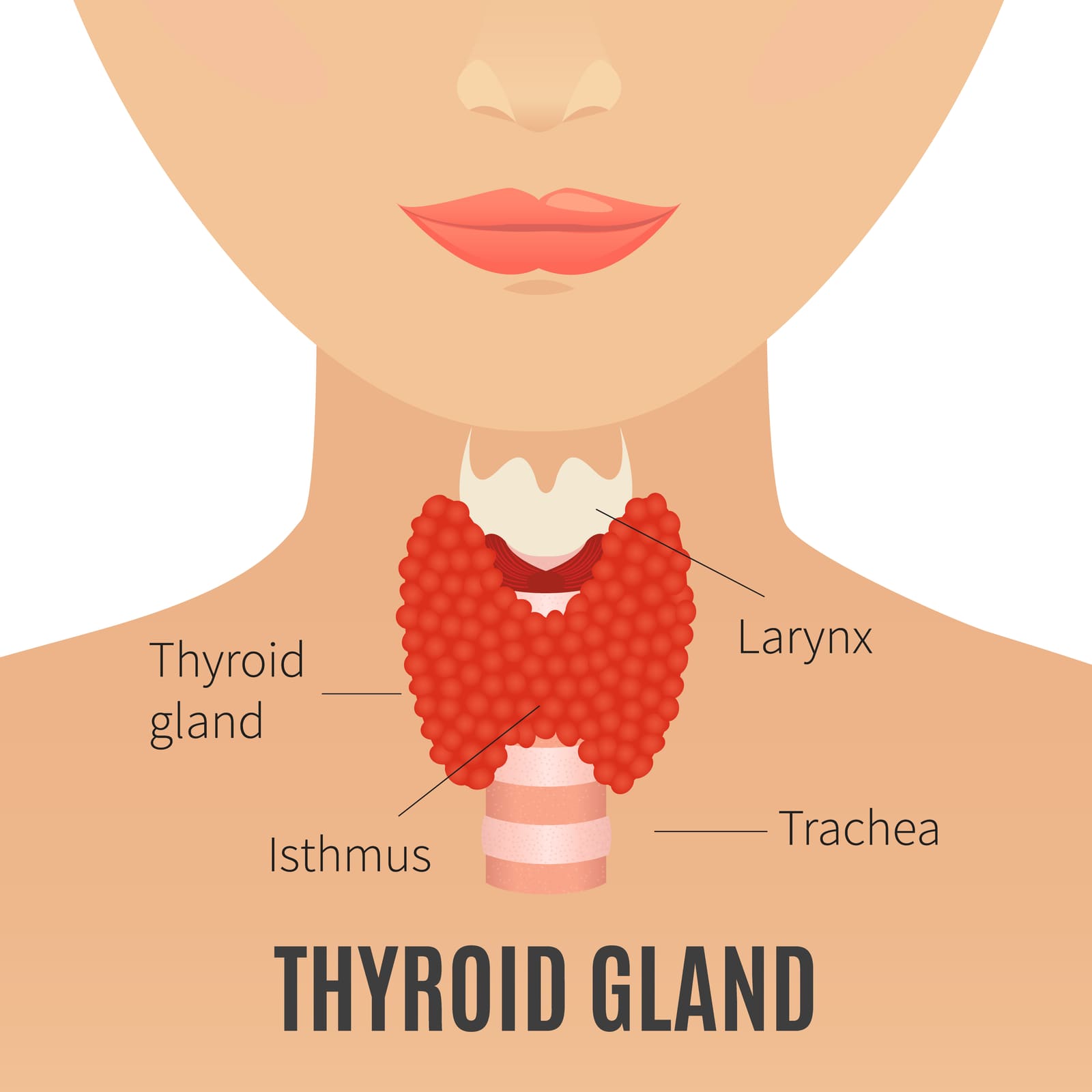
Your thyroid is a butterfly-shaped gland found at the base and front of your neck. It works as a control center for your body. Your thyroid secretes hormones that help maintain heart, muscles, brain, and other organs and assist your body in using energy properly.
Therefore, when something goes wrong and causes an underactive or overactive thyroid, your metabolism either slows way down or speeds up too high, respectively. These two conditions — underactive thyroid (hypothyroidism) and overactive thyroid (hyperthyroidism) impact your thyroid in various ways and therefore have distinct symptoms.
The Difference Between Underactive and Overactive Thyroid
The biggest difference between the two conditions is the hormone output of the thyroid. In simple terms, with hyperthyroidism, your thyroid is making too much of the thyroid hormone your body needs and with hypothyroidism, it's not making enough.
Around 20 million people in the U.S. have some type of thyroid disease, according to the American Thyroid Association, but up to 60% of these people that have the condition, aren't even aware of it. Autoimmune diseases, like Graves' disease and Hashimoto's disease, are among the most common culprits of these two conditions, respectively.
Underactive Thyroid (Hypothyroidism)
Hypothyroidism is where your thyroid is underactive and doesn't produce enough.
Symptoms of Hypothyroidism
Common hypothyroidism symptoms are:
- Weight gain
- Constipation
- Forgetfulness
- Cold sensitivity
- Dry skin
- Fatigue
Causes of Hypothyroidism
The most common cause of underactive thyroid in the U.S. is Hashimoto's thyroiditis. Other causes of the condition are:
- Past radiation for neck and head cancer
- Past surgical treatment or radioiodine for thyroid cancer, hyperthyroidism, or another thyroid disease
- Medications like lithium, amiodarone (Pacerone), and anti-epilepsy drugs
- Congenital hypothyroidism or Hypothyroidism present at birth
Treatment for Hypothyroidism
Synthroid (Levothyroxine sodium tablets) can be taken once daily as a replacement hormone for helping to regulate your thyroid levels. They contain a synthetic hormone that's the same as thyroxine, which is the hormone your thyroid gland naturally produces.
Typically, you must take thyroid replacement medicine for life since hypothyroidism's effects are irreversible.
Overactive Thyroid (Hyperthyroidism)
Hyperthyroidism is an overactive thyroid that produces too much of the thyroid hormone.
Symptoms of Hyperthyroidism
Symptoms of hyperthyroidism are:
- Brittle skin
- Weight loss
- Hand tremor
- Irritability
- Fast heart rate
- Nervousness
- Muscle weakness
- Trouble sleeping
- Less frequent or weaker periods
Causes of Hyperthyroidism
The most common cause of this condition is Graves' disease. Other causes of hyperthyroidism are:
- Postpartum thyroiditis (following giving birth)
- Small masses in the thyroid (referred to as toxic nodular goiters)
- Taking too much thyroid hormone
- Thyroiditis (inflammation of your thyroid because of a virus)
Treatment for Hyperthyroidism
Propylthiouracil (PTU) or Methimazole are used for treating hyperthyroidism. They signal your thyroid to slow T3 and T4 hormone production down. They come in tablet form and might be taken up to three times daily. Like with hypothyroidism treatment, this isn't a cure.
Foundations and Societies
- American Thyroid Association: The ATA is committed to transforming thyroid care through education, clinical excellence, advocacy, and scientific discovery in a collaborative community.
- Graves' Disease & Thyroid Foundation: Established in 1990, this organization is the top source of hope and help for individuals with thyroid-related disorders like Graves' disease.
- ThyCa: Thyroid Cancer Survivors' Association, Inc.: Thyroid cancer survivors created and maintain this website.
Latest Insights on Underactive and Overactive Thyroid
New insights in the treatment of hypothyroidism reveal that personalized medicine might be able to be an effective treatment in all patients.
Several novel therapeutic options specifically for Graves’ patients may be clinically available in the future that restores a patient's euthyroid state without requiring ongoing therapy.
Looking for Tips on Managing an Underactive or Overactive Thyroid?
If you're searching for tips or advice on managing an overactive or underactive thyroid, subscribe to Healthread. On Healthread, you can follow and connect with individuals like yourself who are dealing with the same condition and help one another through insights, education, stories, and experience.
This technology platform allows you to engage in thematic chat groups, create posts, read health articles or directly message other people. Join today and take your health to a whole new level.
Being a Healthread community member allows you to use the web app and mobile app:
For people to really understand their health problem, they must know what they need to fill the existing void where they can share their stories and experiences and learn from others. While Healthread is not trying to replace your doctor’s advice, you can gain much-needed insight and support beyond your doctor, family, and friends with individuals experiencing the same condition.
Sources
- 1goodrx.com/blog/hypothyroidism-vs-hyperthyroidism-whats-the-difference/
- 2piedmont.org/living-better/the-difference-between-hypothyroidism-and-hyperthyroidism
- 3healthgrades.com/right-care/thyroid-disorders/the-difference-between-underactive-and-overactive-thyroid
- 4my.clevelandclinic.org/health/diseases/8541-thyroid-disease
- 5health.clevelandclinic.org/whats-the-difference-between-hypothyroidism-and-hyperthyroidism/
- 6mayoclinic.org/diseases-conditions/hypothyroidism/symptoms-causes/syc-20350284
- 7niddk.nih.gov/health-information/endocrine-diseases/hyperthyroidism
- 8webmd.com/women/hypothyroidism-underactive-thyroid-symptoms-causes-treatments#1
- 9sciencedaily.com/releases/2015/01/150113153952.htm
- 10academic.oup.com/edrv/article/41/6/873/5897403
General information, not medical advice
This article can't account for your health history or current treatment. Talk to a qualified clinician before you change anything about your care.
Read our medical disclaimer →
On this page
The Difference Between Underactive and Overactive Thyroid
Underactive Thyroid (Hypothyroidism)
Symptoms of Hypothyroidism
Causes of Hypothyroidism
Treatment for Hypothyroidism
Overactive Thyroid (Hyperthyroidism)
Symptoms of Hyperthyroidism
Causes of Hyperthyroidism
Treatment for Hyperthyroidism
Foundations and Societies
Latest Insights on Underactive and Overactive Thyroid
Looking for Tips on Managing an Underactive or Overactive Thyroid?
Sources
Put what you read to work
Track your medicines, check a symptom and talk with people managing the same condition, all in Healthread.
Get the app
Keep reading
Beauty and Anti-Aging
Gastric Balloon for Weight Loss
The gastric balloon weight loss procedure is a new FDA-approved minimally invasive bariatric procedure for treating obesity. It is a temporary procedure that involves placing a saline-filled silicone balloon in the…
June 19, 2025 · 3 min read
Beauty and Anti-Aging
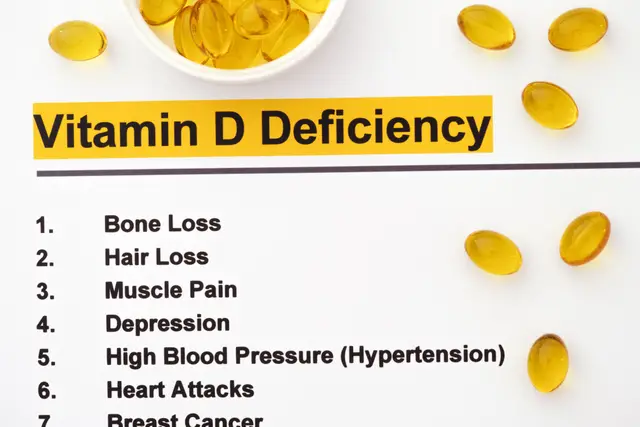
Vitamin D Deficiency
Also known as the sunshine vitamin, vitamin D is an essential nutrient that is naturally absorbed by the skin through exposure to sunlight. It can also be obtained from dietary sources and supplements.
December 30, 2024 · 3 min read
Cancer-Updates
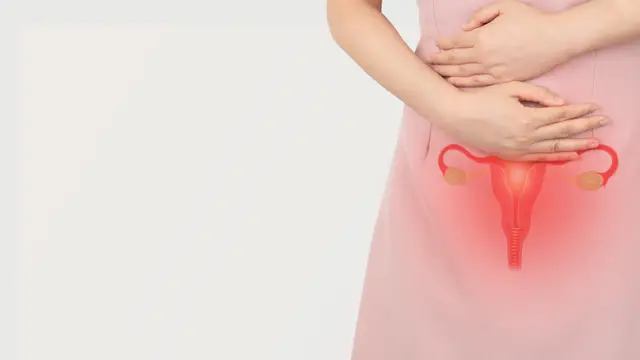
Gynecologic Cancer
Gynecologic cancer is a term used to describe a group of cancers that affect the female reproductive system. There are five types of gynecologic cancers named after the body part where they start.
November 5, 2024 · 3 min read


© 2026 Healthread
English · Español
Healthread does not provide medical advice, diagnosis or treatment. Always speak to a qualified clinician about your care.