


Age-related macular degeneration (AMD) is a progressive eye disease that leads to vision loss. In fact, AMD is the leading cause of severe vision loss in people ages 50 and older. While AMD is not reversible, treatment can slow its progression. Treatment often involves taking vitamins that support eye health.
How Age-related Macular Degeneration Affects the Eyes
AMD affects central vision and the ability to see fine details. Central vision is what a person sees when they look straight ahead. It most important part of a person’s vision, as people use central vision to see faces, look at pictures, read, drive a car, or do close-up work. Central vision also allows people to see shapes, colors, and details sharply and clearly.
Light carries visual information into the eye through the pupil to the back of the eye where it strikes the retina, which is a light-sensitive layer of tissue. Special receptors in the retina, known as photoreceptors, absorb the light and the visual information it carries. The retina converts the information into electrical impulses. The optic nerve transports these impulses to the brain, which translates the impulses into the image we perceive.
AMD affects the retina. More specifically, it affects the macula, which sits at the center of the retina. The macula has a very high concentration of photoreceptor cells that bring straight-ahead vision into sharp focus. Macular degeneration causes the macula to break down.
Many factors contribute to the development of macular degeneration. Age is a major factor in age-related macular degeneration, of course, as light-sensitive cells in the macula slowly break down over time.
Unstable molecules, known as free radicals, can contribute to the breakdown of the macula. As body cells work, they produce free radicals that can cause damage to proteins, cell membranes and DNA. Over the course of years, the damage that free radicals cause can affect the health and function of the macula to cause AMD.
Exposure to certain light and light waves plays a role in AMD. In particular, long-term exposure to blue light can damage retinal cells to cause macular degeneration.
Vitamin deficiencies also play a role in the development of macular degeneration. Certain vitamins help the photoreceptor cells do their job; other vitamins fight free radicals to prevent the damage the unstable molecules cause.
Lack of vitamin A can damage the retina. Vitamin A is essential to the complex process that makes vision possible. Vitamin A in the retina’s photoreceptors makes opsins, which are a type of protein that absorb light. When light strikes the retina, the opsins absorb the light and trigger the formation of the electrical impulses that carry light information to the brain.
These vitamins are present in food, but many people do not have access to these vitamin-rich foods; others simply do not eat enough of these foods to get the vitamins they need for clear vision. To help patients slow the effects of age-related macular degeneration, eye doctors often recommend vitamin supplements.
Vitamins for AMD
Vitamin C
Vitamin C can help prevent damage to photoreceptor cells in the retina and macula. Vitamin C is an antioxidant, which means it can help protect cells from free radicals. Oranges, strawberries, grapefruit, green peppers, tomatoes, and papaya are good sources of vitamin C.
When taken with other nutrients, vitamin C can slow the progression of AMD and vision loss. Eye doctors typically recommend taking 500 mg of vitamin C daily for AMD.
Vitamin E
Vitamin E is another antioxidant that protects the macula from damaging free radicals. Food sources of vitamin E include vegetable oils, nuts, sweet potatoes, and wheat germ.
People with AMD may benefit from taking 400 international units (IU) of vitamin E each day.
Lutein
Lutein is a carotenoid, which means it is a pigment that gives plants their color; carotenoids also provide health benefits to people who eat those plants. Specifically, lutein is a yellow pigment that filters out potentially-damaging blue light, controls free radicals, and supports vision. Lutein-rich foods include egg yolks, corn, orange pepper, spinach, kale, kiwi fruit, grapes, zucchini, and squash.
People with AMD should aim at getting 10 mg of lutein per day.
Zeaxanthin
Zeaxanthin is another carotenoid that protects the macula. In fact, zeaxanthin is the primary pigment in the center of the macula and may be even more important than lutein. This orange-yellow pigment is found in peppers, oranges, and corn.
Eye doctors often recommend that patients with AMD get 2 mg of zeaxanthin each day.
Zinc
Zinc plays an important role in the absorption, transport, and metabolism of vitamin A and other nutrients.
People with AMD may benefit from getting 80 mg of zinc each day.
Copper
The human body relies on copper to synthesize melanin, which is a pigment that protects the eyes by absorbing dangerous ultraviolet light. Copper is found in oysters and other shellfish, beans, nuts, whole grains, potatoes, and organ meats, such as liver and kidneys. Dark leafy greens, prunes and other dried fruits, cocoa, black pepper, and yeast contain copper.
Eye doctors often recommend that people with AMD get 2 mg of copper each day.
For more information on vitamins for age-related macular degeneration, consult with an eye doctor. Finding the right balance of nutrients can help slow the progression of AMD.
Sources
General information, not medical advice
This article can't account for your health history or current treatment. Talk to a qualified clinician before you change anything about your care.
Read our medical disclaimer →
On this page
How Age-related Macular Degeneration Affects the Eyes
Vitamins for AMD
Vitamin C
Vitamin E
Lutein
Zeaxanthin
Zinc
Copper
Sources
Put what you read to work
Track your medicines, check a symptom and talk with people managing the same condition, all in Healthread.
Get the app
Keep reading

Beauty and Anti-Aging
Gastric Balloon for Weight Loss
The gastric balloon weight loss procedure is a new FDA-approved minimally invasive bariatric procedure for treating obesity. It is a temporary procedure that involves placing a saline-filled silicone balloon in the…
June 19, 2025 · 3 min read
Beauty and Anti-Aging
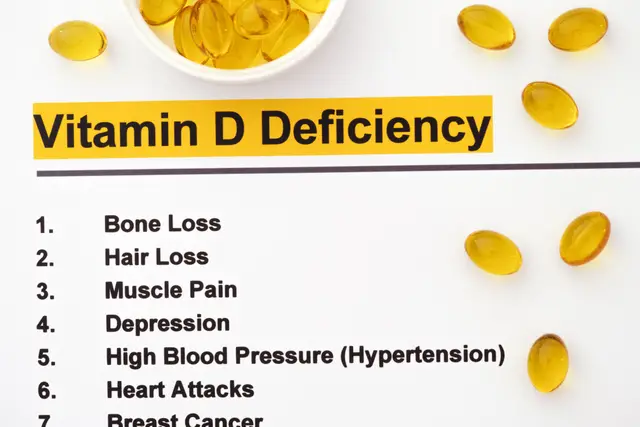
Vitamin D Deficiency
Also known as the sunshine vitamin, vitamin D is an essential nutrient that is naturally absorbed by the skin through exposure to sunlight. It can also be obtained from dietary sources and supplements.
December 30, 2024 · 3 min read

Cancer-Updates
Gynecologic Cancer
Gynecologic cancer is a term used to describe a group of cancers that affect the female reproductive system. There are five types of gynecologic cancers named after the body part where they start.
November 5, 2024 · 3 min read


© 2026 Healthread
English · Español
Healthread does not provide medical advice, diagnosis or treatment. Always speak to a qualified clinician about your care.