

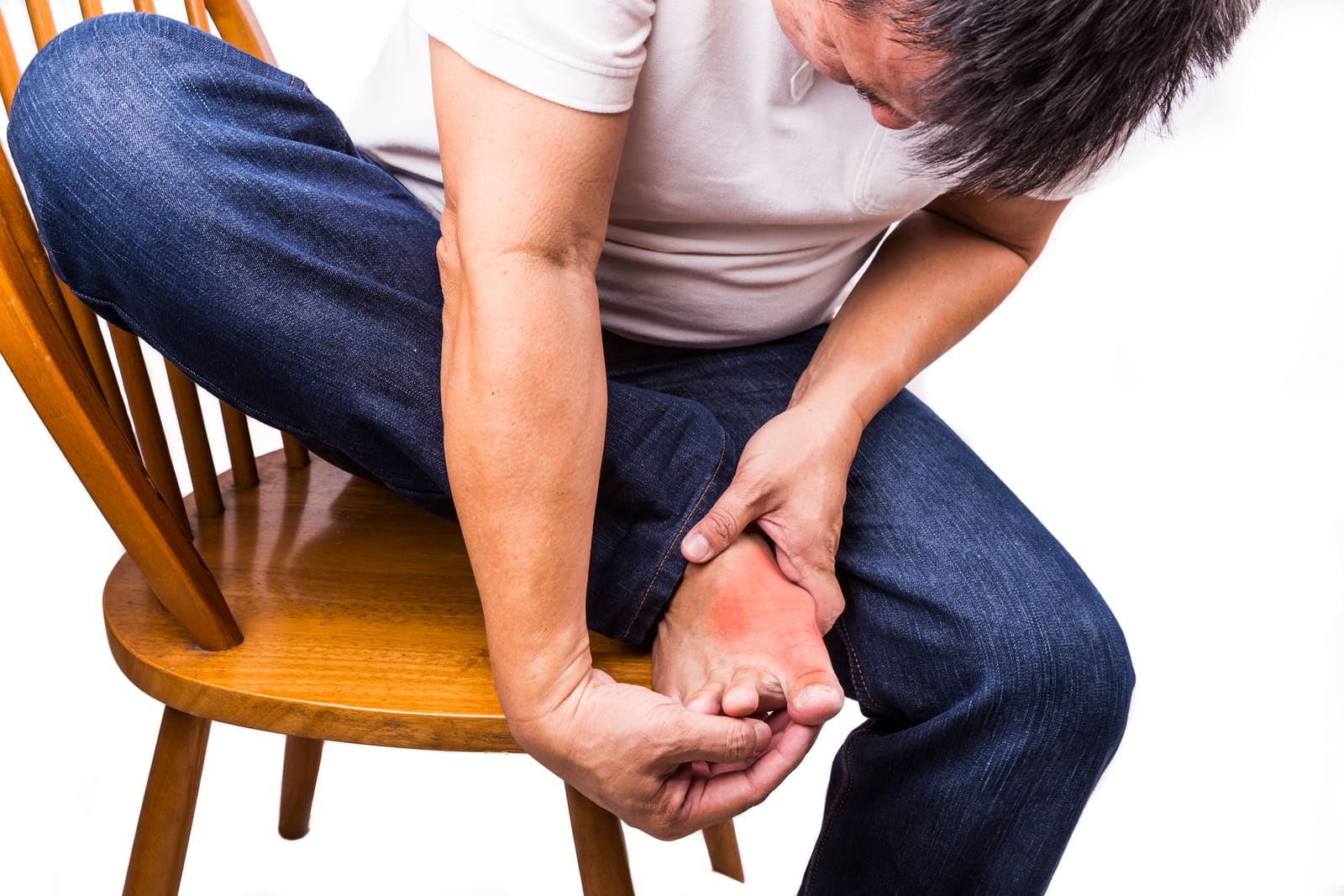
Gout is a form of inflammatory arthritis that causes joint pain and swelling. Typically gout can cause sudden flares causing intense pain, swelling, and tenderness in the joints, often in the big toe.
The flares are followed by times when there are no symptoms, known as remission. Repeated bouts of gout can create gouty arthritis.
Gouts have no known cure. Treatments are available to manage and control the symptoms with the help of medications.
Causes of Gout
Gout can happen when a high amount of serum urate builds up in the body, causing the formation of needle-like crystals in the joints. This creates inflammation in the affected joints leading to arthritis.
Gout can affect body parts like:
- The joints
- Membranes surrounding tendons
- Cushion-like sacs between the bones and the soft tissues called bursae
- Kidneys where a high level of uric acid can create stones and often cause kidney damage
Stages of Gout
Gout can have several stages. They are:
- Hyperuricemia, where a high level of urate in the blood, causes a build-up in the form of crystals in the joints. It may or may not have symptoms.
- Gout flares that cause an intense attack of pain and swelling in the joints.
- The remission period in between flares when there are no gout symptoms.
- Tophi, a later stage of gout when crystals of urate build in the skin or other areas of the body, causing joint and kidney damage.
Symptoms of Gout
The symptoms of gout happen in the form of a sudden flare at night and include:
- Intense joint pain, usually in the big toe
- Inflammation and redness in the affected joint
- Warmth in the joints
- Lingering discomfort that may last for a few days to weeks
- Chills, fever, and a general feeling of illness
- Hard lumps of crystals of urate under the skin
Risk Factors for Gout
Certain factors can increase your risk of developing gout.
- A family history of gout
- Increasing age
- Drinking alcohol
- A high fructose diet
- Men and post-menopausal women
- Health conditions like high blood pressure, obesity, diabetes, psoriasis
- Certain medications, like diuretics, niacin
- Surgery, severe illness, or an infection can trigger gout
Complications of Gout
Some people may develop medical conditions, especially with the kidneys and the heart, because of gout. They are:
- Diabetes
- Kidney stones
- Heart attack
- Hypertension
- Congestive heart failure
Diagnosing Gout
The doctor will examine your family history and conduct the following tests to diagnose gout:
- Blood test: This is done to check the uric acid level, although many people with a higher uric acid level may not develop gout;
- Joint fluid analysis: Fluid is drawn from the affected joints and later examined for uric acid crystals;
- Imaging tests: X-rays, MRIs, and ultrasounds are done to check for uric acid crystals in joints.
Treatments for Gout
The gout treatment will depend on the frequency and severity of its symptoms and your personal preferences.
- Anti-inflammatories: These include over-the-counter painkillers (Ibuprofen), which can treat pain and inflammation during periods of gout flares.
- Corticosteroids: These can be effective in treating inflammation quickly, although they can have serious side effects.
- Uric acid lowering drugs: In patients with frequent gout flares or those with tophi or joint damage, drugs like allopurinol and febuxostat are prescribed to reduce the uric acid levels in the blood.
New Drugs for Gout Treatment
- The FDA recently approved lesinurad, which can effectively treat hyperuricemia in gout patients when combined with uric acid-lowering drugs like allopurinol and febuxostat.
- Lesinurad (Zurampic) are selective uric acid reabsorption inhibitors (SURIs) to be approved in the USA.
- Recent studies showed that using mycophenolate mofetil (MMF), an immunomodulation drug with Pegloticase, an intravenous gout treatment used to dissolve crystallized uric acid in the joints, can keep the uric acid level in the blood low with greater efficacy.
Mental Health and Gout
The stigma of gout and fear of getting a painful flare can cause severe mental stress and trauma, affecting the mental health of gout patients. The increased anxiety and depression can cause further inflammation and aggravation of the gout symptoms.
Getting enough restorative sleep, exercising regularly, and having a healthy diet can help maintain mental health and manage gout better.
Sources
- 1cdc.gov/arthritis/basics/gout.html
- 2creakyjoints.org/about-arthritis/gout/gout-symptoms/what-are-gout-tophi/
- 3arthritis.org/health-wellness/healthy-living/nutrition/healthy-eating/which-foods-are-safe-for-gout
- 4mayoclinic.org/drugs-supplements/allopurinol-oral-route/description/drg-20075476
- 5medlineplus.gov/druginfo/meds/a609020.html
- 6blog.arthritis.org/news/lesinurad-new-gout-drug-fda-approved/
- 7hopkinsarthritis.org/patient-corner/drug-information/lesinurad-zurampic/
- 8michiganmedicine.org/health-lab/gout-treatment-success-doubled-combining-two-drugs-study-finds
General information, not medical advice
This article can't account for your health history or current treatment. Talk to a qualified clinician before you change anything about your care.
Read our medical disclaimer →
On this page
Causes of Gout
Stages of Gout
Symptoms of Gout
Risk Factors for Gout
Complications of Gout
Diagnosing Gout
Treatments for Gout
New Drugs for Gout Treatment
Mental Health and Gout
Sources
Put what you read to work
Track your medicines, check a symptom and talk with people managing the same condition, all in Healthread.
Get the app
Keep reading
Beauty and Anti-Aging
Gastric Balloon for Weight Loss
The gastric balloon weight loss procedure is a new FDA-approved minimally invasive bariatric procedure for treating obesity. It is a temporary procedure that involves placing a saline-filled silicone balloon in the…
June 19, 2025 · 3 min read
Beauty and Anti-Aging
Vitamin D Deficiency
Also known as the sunshine vitamin, vitamin D is an essential nutrient that is naturally absorbed by the skin through exposure to sunlight. It can also be obtained from dietary sources and supplements.
December 30, 2024 · 3 min read
Cancer-Updates
Gynecologic Cancer
Gynecologic cancer is a term used to describe a group of cancers that affect the female reproductive system. There are five types of gynecologic cancers named after the body part where they start.
November 5, 2024 · 3 min read


© 2026 Healthread
English · Español
Healthread does not provide medical advice, diagnosis or treatment. Always speak to a qualified clinician about your care.