

Acne might affect the skin, but it can begin to affect the self-esteem when left untreated. For this reason, seeking treatment is often a necessary step for those who suffer from long-term acne. Here's what you need to know to get the diagnosis and treatment you need.
Identifying acne
Generally speaking, there are two types of acne: common acne, which consists of whiteheads, blackheads, and pimples, and cystic acne, which is characterized by deep, painful nodules and cystic lesions under the skin.
The symptoms of acne are blemishes on the face, back, or other body parts.
Causes of acne
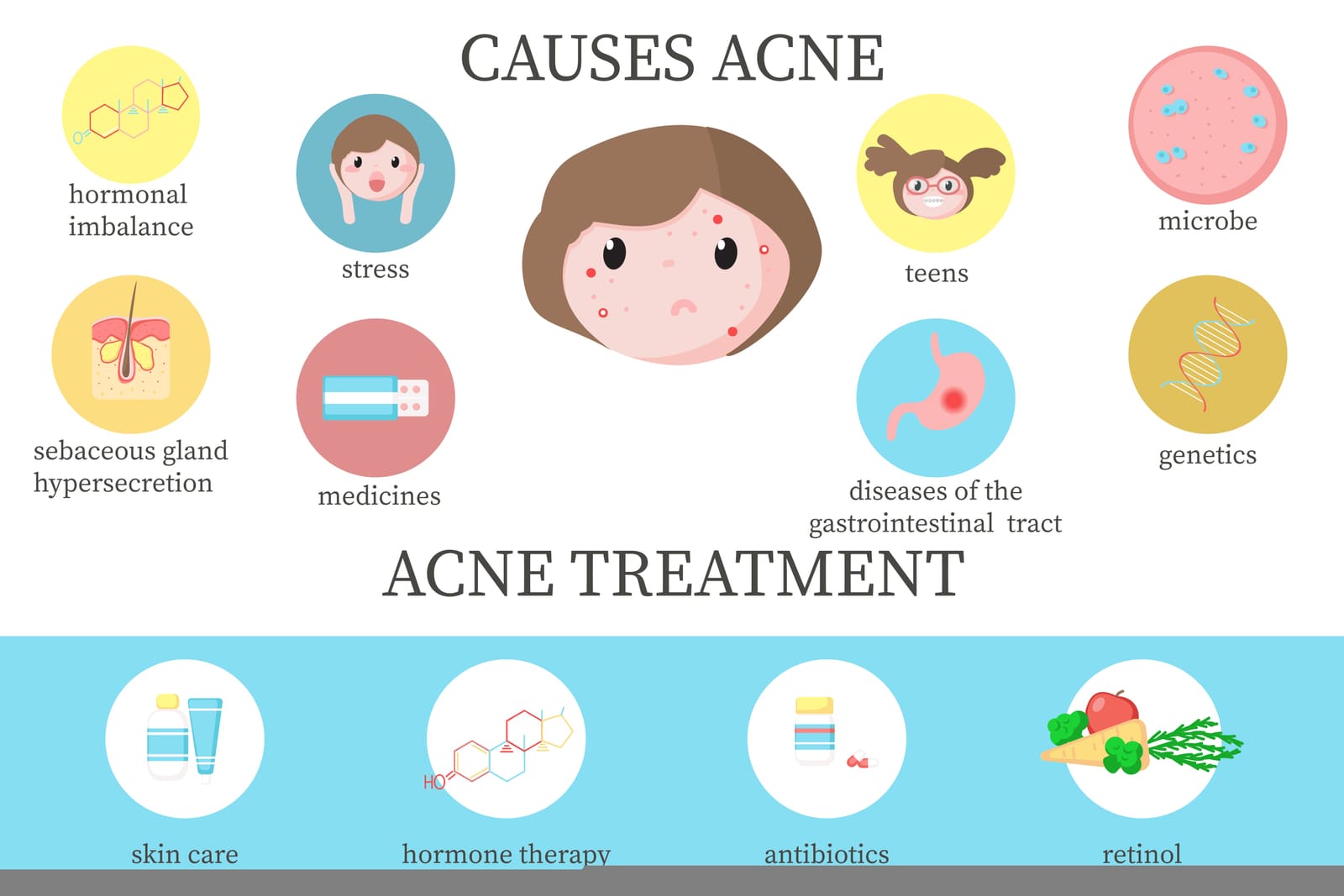
The causes of acne remain largely unknown, but we do some of the factors that increase your risk of developing acne and other skin problems. Known causes include:
- hormonal changes, especially those that occur during adolescence
- bacteria growth in plugged hair follicles
Although stress doesn't cause acne, it can exacerbate it, contribute to worsening skin and breakouts.
Self-care for acne
Acne is very common, and many people who have acne will never require medical treatment for the condition because they're able to manage it at home. Things you can try before seeking diagnosis and treatment from a dermatologist include cleansing your face daily with medicated acne wash, keeping your skin moisturized to prevent excess oil production, and changing your diet. Eating colorful fruits and vegetables, avoiding processed foods like bread and candy, and taking supplements like zinc and fish oil can help treat acne long-term.
You should avoid touching acne-prone skin as you can increase the oil on your skin, clogging pores and follicles and contributing to worsening symptoms. Picking blemishes can lead to permanent scarring and should be avoided, too.
Acne treatment
If home treatment does not resolve or significantly reduce acne, it might be time to seek help from a medical provider. While dermatologists typically treat acne, you may have to start with your primary care provider in order to secure a referal to a dermatology clinic. If you find a dermatologist who doesn't require a referral from primary care, be sure to review your insurance policy to determine whether your insurer requires it.
The dermatologist will examine your skin and medical history and develop a treatment plan to help you get your acne under control, avoid future scarring, and reduce the appearance of existing acne scars. Treatment varies from one patient to the next depending on the type and causes of your acne.
Common treatments include:
- in-office treatments like drainage and extraction, steroid injection, light therapy, or chemical peel
- topical medications, which are applied directly to the skin, including retinoids, antibiotics, dapsone, salicylic acid, and azelaic acid
- oral medications, which are taken orally, including antibiotics, contraceptives, isotretinoin, and anti-androgen agents
The dermatologist will likely also recommend that you continue certain home treatments like dietary changes, routine cleansing, and daily moisturizer.
Pregnant women may have limited options until after delivery in order to ensure safety for mom and baby.
While acne can leave you feeling uncomfortable and self-conscious, there is treatment available. You don't have to suffer from acne indefinitely with the help of a qualified healthcare provider.
Sources
General information, not medical advice
This article can't account for your health history or current treatment. Talk to a qualified clinician before you change anything about your care.
Read our medical disclaimer →
Put what you read to work
Track your medicines, check a symptom and talk with people managing the same condition, all in Healthread.
Get the app
Keep reading

Beauty and Anti-Aging
Gastric Balloon for Weight Loss
The gastric balloon weight loss procedure is a new FDA-approved minimally invasive bariatric procedure for treating obesity. It is a temporary procedure that involves placing a saline-filled silicone balloon in the…
June 19, 2025 · 3 min read
Beauty and Anti-Aging
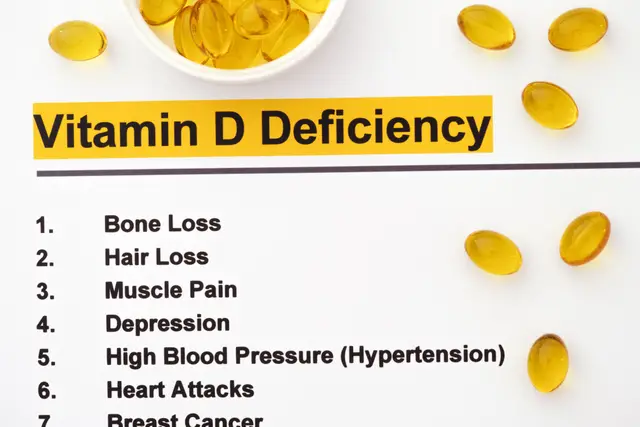
Vitamin D Deficiency
Also known as the sunshine vitamin, vitamin D is an essential nutrient that is naturally absorbed by the skin through exposure to sunlight. It can also be obtained from dietary sources and supplements.
December 30, 2024 · 3 min read
Beauty and Anti-Aging
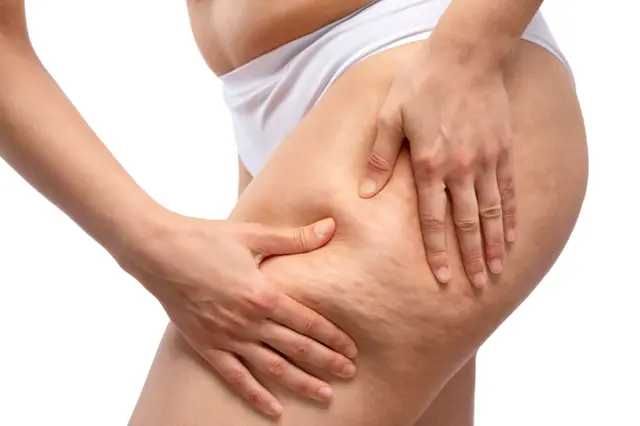
Cellulite
Cellulite appears with an orange peel or cottage cheese-like texture with a dimpled or lumpy skin surface. Mild cellulite is visible when you pinch the area with cellulite, like the thighs. Severe cellulite can make the…
August 13, 2024 · 3 min read


© 2026 Healthread
English · Español
Healthread does not provide medical advice, diagnosis or treatment. Always speak to a qualified clinician about your care.