

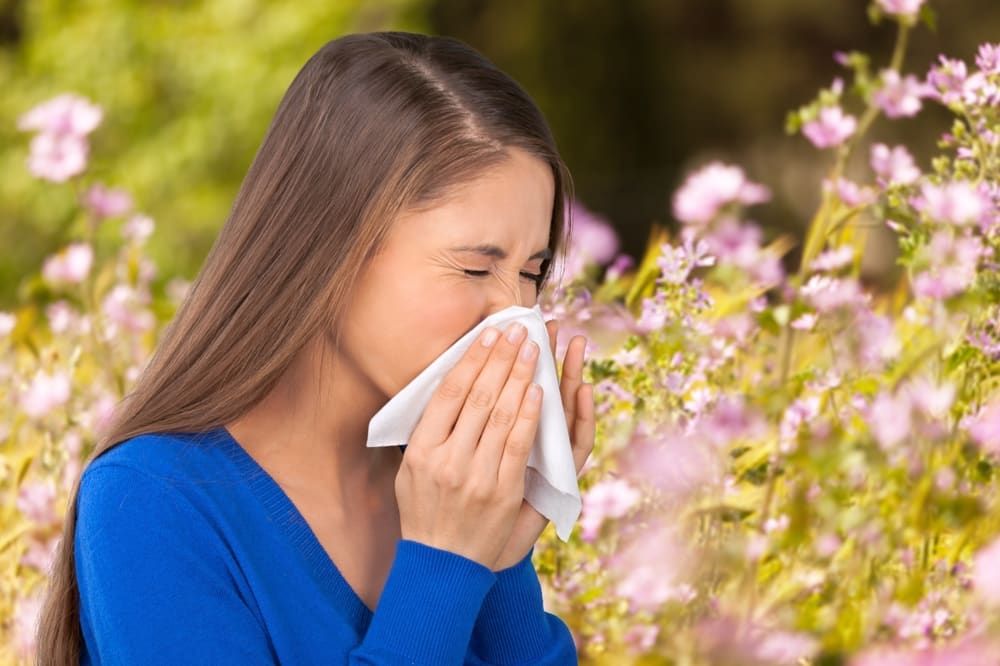
If you experience sneezing, stuffy or runny nose, or watery and itchy eyes with the change of seasons, you may have seasonal allergies.
The symptoms of seasonal allergies are more prevalent in the fall and spring because of the increase in the circulation of pollen from grasses, trees, and weeds.
Pollen counts typically increase on windy days, and are reduced during rainy weather.
Common spring allergy triggers
Spring allergies in most U.S. states typically begin in February and last till the end of summer. The most common allergy triggered during springtime is pollen—the milder temperatures of the spring cause plants to pollinate, increasing pollen in the air. Grass, weeds, and tree pollen are the common spring allergy pollen triggers. Insects and mold spores can also be triggers. Pollen can travel for miles.
People suffering from allergies can have their immune system triggered when exposed to allergens like pollens and have allergy symptoms.
Some other triggers of seasonal allergies during spring are:
- Rain can break up pollen into smaller particles that spread through the air quickly, causing allergy symptoms.
- The increase in temperature and humidity can cause the growth of molds, aggravating springtime allergies.
How do spring allergies affect asthma?
The same springtime allergens like pollen, dust mites, and molds can trigger asthma symptoms. These are called allergy-induced asthma or allergy asthma. The immune system mistakenly sees the pollen and these other triggers as a danger and releases antibodies that attack the allergens.
You can trigger allergy symptoms when your immune system proteins or antibodies mistakenly identify substances like pollen and dust mites as invaders. Those triggers cause the antibodies to bind to the allergens causing the release of chemicals by your immune system.
People with asthma can have allergic reactions that affect the lungs and airways, causing asthma symptoms.
What is asthma?
Asthma is a chronic lung disease that tightens the breathing muscles and causes airways to swell, making breathing difficult.
Asthma, when triggered, can have the following symptoms.
- Coughing and wheezing
- Shortness of breath
- Tightening of the chest muscles causing chest pain
- A wheezing or whistling sound when breathing out
What is seasonal asthma?
When the asthma signs and symptoms get triggered because of springtime allergens like a change in temperature, pollen, dust mites, or smoke, it causes seasonal asthma.
People with asthma can have worse symptoms as the seasonal allergy triggers cause airways in the lungs to get inflamed or swollen, making breathing even more difficult.
The pollen, dust mites, and colder temperatures of the spring can cause swelling in the airways and tightening of the lung muscles, triggering an asthma attack.
Spring Allergies and Asthma
Often, people with asthma also get allergies from the springtime allergens. The seasonal allergies in spring then become a trigger for their asthma symptoms.
The symptoms of a spring allergy can be:
- Coughing
- Wheezing
- Sneezing
- Itchy and watery eyes
- Nasal congestion
- Itchy mouth or throat
- Tightness in the chest
- Breathing difficulties
Treatments used for both allergies and asthma
While most treatments treat allergies or asthma symptoms, a few can help both conditions.
- Allergy shots (Immunotherapy): Allergy shots can reduce the immune system response to specific allergy triggers when treating asthma in patients.
- Anti-Immunoglobulin E(IgE) therapy: When faced with an allergy trigger, your immune system releases antibodies known as IgE. Medicines used in IgE therapy interfere with the IgE and prevent allergic reactions that trigger asthma symptoms.
- Leukotriene modifier: This medication comes as a daily pill that helps control the immune system chemicals released during an allergic reaction. Leukotriene modifiers can treat both asthma and allergic reactions.
In very mild cases, over-the-counter medications such as antihistamine/decongestant combos can be effective. Some people find nasal irrigation helps give them temporary relief.
Tips for Managing Springtime Asthma and allergies
The best way to manage allergies and asthma during the spring is to recognize the triggers and take steps to avoid or manage them.
Here are some ways you can manage the symptoms of allergies and asthma in spring
- Check the air quality for pollen level, pollution, and other allergy triggers before venturing outdoors.
- Take preventive measures by keeping your house free from allergens. Clean and vacuum carpets and furniture regularly, wash bed sheets and towels, and use air conditioners to limit exposure to outdoor air.
- Shower and wash your air immediately after spending time outdoors, particularly on high-count pollen days.
- Take asthma medicine as directed and get allergy shots.
- Contact your healthcare provider if you experience worsening symptoms.
Are you dealing with asthma and spring allergies? What are you doing to help manage it better?
Sources
General information, not medical advice
This article can't account for your health history or current treatment. Talk to a qualified clinician before you change anything about your care.
Read our medical disclaimer →
On this page
Common spring allergy triggers
How do spring allergies affect asthma?
What is asthma?
What is seasonal asthma?
Spring Allergies and Asthma
Treatments used for both allergies and asthma
Tips for Managing Springtime Asthma and allergies
Sources
Put what you read to work
Track your medicines, check a symptom and talk with people managing the same condition, all in Healthread.
Get the app
Keep reading

Beauty and Anti-Aging
Gastric Balloon for Weight Loss
The gastric balloon weight loss procedure is a new FDA-approved minimally invasive bariatric procedure for treating obesity. It is a temporary procedure that involves placing a saline-filled silicone balloon in the…
June 19, 2025 · 3 min read

Beauty and Anti-Aging
Vitamin D Deficiency
Also known as the sunshine vitamin, vitamin D is an essential nutrient that is naturally absorbed by the skin through exposure to sunlight. It can also be obtained from dietary sources and supplements.
December 30, 2024 · 3 min read

Beauty and Anti-Aging
Cellulite
Cellulite appears with an orange peel or cottage cheese-like texture with a dimpled or lumpy skin surface. Mild cellulite is visible when you pinch the area with cellulite, like the thighs. Severe cellulite can make the…
August 13, 2024 · 3 min read


© 2026 Healthread
English · Español
Healthread does not provide medical advice, diagnosis or treatment. Always speak to a qualified clinician about your care.