

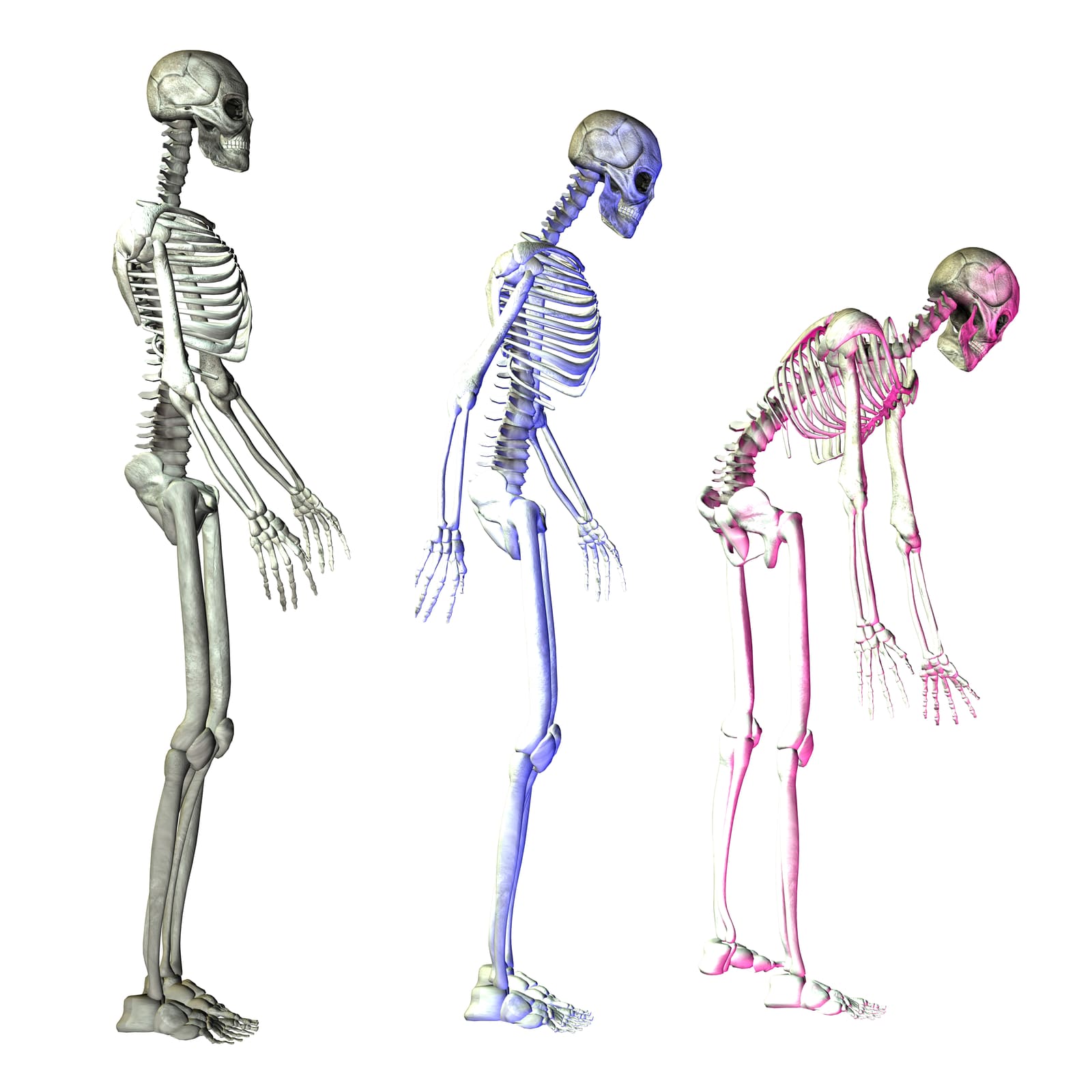
A bone density scan is a test that uses X-rays to determine if you have osteoporosis, a condition where bones become fragile with a risk of breaking. The X-ray measures the amount of calcium and other bone minerals packed in the bones.
What is a bone density scan?
Also known as the DEXA scan, the bone density scan is an X-ray test used to determine the thickness and strength of your bones. The test measures the amount of calcium or bone minerals in your bones to determine their bone density or mass.
The bones of most people tend to get thinner than normal with age, a condition known as osteopenia. Osteopenia increases the risk of developing a more serious disease called osteoporosis.
Osteoporosis is a progressive disease most common in older people and women over 65. It causes the bones to become thin and brittle, increasing the risk of bone fractures in the hips, spine, and wrists.
What is a bone density scan used for?
Bone density scan is commonly used to:
- Diagnose osteoporosis.
- Diagnose osteopenia or a low bone mass.
- Predict the risk of getting bone fractures.
- Determine how osteoporosis treatments are working.
Who is the test recommended for?
Bone density scans are strongly recommended in the following cases.
- Postmenopausal women who are not taking estrogen
- People with a personal history of bone fractures or smoking
- People suffering from diseases involving bone loss, like rheumatoid arthritis, chronic liver or kidney diseases
- People who use medications that can cause bone loss, like Prednisone, high-dose thyroid replacement drugs, and anti-seizure medicines like Dilantin
- People who have type-1 diabetes or have a family history of osteoporosis
- People with hyperthyroidism and hyperparathyroidism
- People whose x-ray shows signs of vertebrae fracture or other signs of osteoporosis
Your doctor may recommend a bone density scan in the following conditions.
- If you have lost at least 1.5 inches in height with a compression fracture in the spine which is likely caused by osteoporosis.
- If you have fragility fractures, bones break much more easily than expected.
- Where you experienced a drop in hormone levels. Post-menopausal women experience a natural estrogen drop after menopause that makes them susceptible to bone.
- breakage.
- Some prostate cancer treatments cause a dip in testosterone hormone that can weaken bones in men.
- Taking steroid medication for a long time can interfere with bone-building, increasing the risk of osteoporosis.
What are the limitations of bone density scans?
The bone density scans can come with the following limitations.
- Radiation exposure: While bone density tests involve x-rays that cause minimal radion exposure, pregnant women must avoid such tests.
- Previous spinal problems: The tests may not offer accurate results in people who had previous spinal surgeries or structural abnormalities in the spine.
- Difference in the testing methods: The test accuracy depends on the bones tested. Devices that test bone density in the hip and spine are more accurate and expensive than those that test the finger, forearm, and heel bones.
- Lack of information about the cause: Bone density scans can determine low bone densities but cannot evaluate the causes. For that, you need further medical evaluation.
- Limited insurance coverage: Typically, health insurance plans do not pay for bone density tests.
How does the procedure work?
The DXA bone density tests are usually completed between 10 to 20 minutes on an outpatient basis. During the procedure, the DXA machine shoots thin, invisible beams of low-dose X-rays in two distinct peaks through the bones.
One peak is absorbed by the bone, while the other is targeted toward the soft tissues. The soft tissue amount is deducted from the total to determine the patient's bone density.
Many centers perform an additional procedure called the vertebral fracture assessment (VFA), where the spine is examined for vertebral fracture using a low-dose x-ray.
The bone density test results come in two scores.
- T-score: It calculates your bone mass compared to young adults of the same gender with peak bone mass. A score between -1.1 and -2.4 is diagnosed as osteopenia, while a score of -2.5 and below is considered osteoporosis.
- Z- score: It calculates your bone mass compared to other people of the same age and gender.
Source links:
- 1mayoclinic.org/tests-procedures/bone-density-test/about/pac-20385273
- 2medlineplus.gov/lab-tests/bone-density-scan/
- 3radiologyinfo.org/en/info/dexa
- 4my.clevelandclinic.org/health/diagnostics/10683-dexa-dxa-scan-bone-density-test
- 5hopkinsmedicine.org/health/treatment-tests-and-therapies/bone-densitometry
- 6niams.nih.gov/health-topics/bone-mineral-density-tests-what-numbers-mean
- 7bonehealthandosteoporosis.org/patients/diagnosis-information/bone-density-examtesting/
General information, not medical advice
This article can't account for your health history or current treatment. Talk to a qualified clinician before you change anything about your care.
Read our medical disclaimer →
On this page
What is a bone density scan?
What is a bone density scan used for?
Who is the test recommended for?
What are the limitations of bone density scans?
How does the procedure work?
Put what you read to work
Track your medicines, check a symptom and talk with people managing the same condition, all in Healthread.
Get the app
Keep reading

Beauty and Anti-Aging
Gastric Balloon for Weight Loss
The gastric balloon weight loss procedure is a new FDA-approved minimally invasive bariatric procedure for treating obesity. It is a temporary procedure that involves placing a saline-filled silicone balloon in the…
June 19, 2025 · 3 min read
Beauty and Anti-Aging
Vitamin D Deficiency
Also known as the sunshine vitamin, vitamin D is an essential nutrient that is naturally absorbed by the skin through exposure to sunlight. It can also be obtained from dietary sources and supplements.
December 30, 2024 · 3 min read
Beauty and Anti-Aging
Cellulite
Cellulite appears with an orange peel or cottage cheese-like texture with a dimpled or lumpy skin surface. Mild cellulite is visible when you pinch the area with cellulite, like the thighs. Severe cellulite can make the…
August 13, 2024 · 3 min read


© 2026 Healthread
English · Español
Healthread does not provide medical advice, diagnosis or treatment. Always speak to a qualified clinician about your care.