

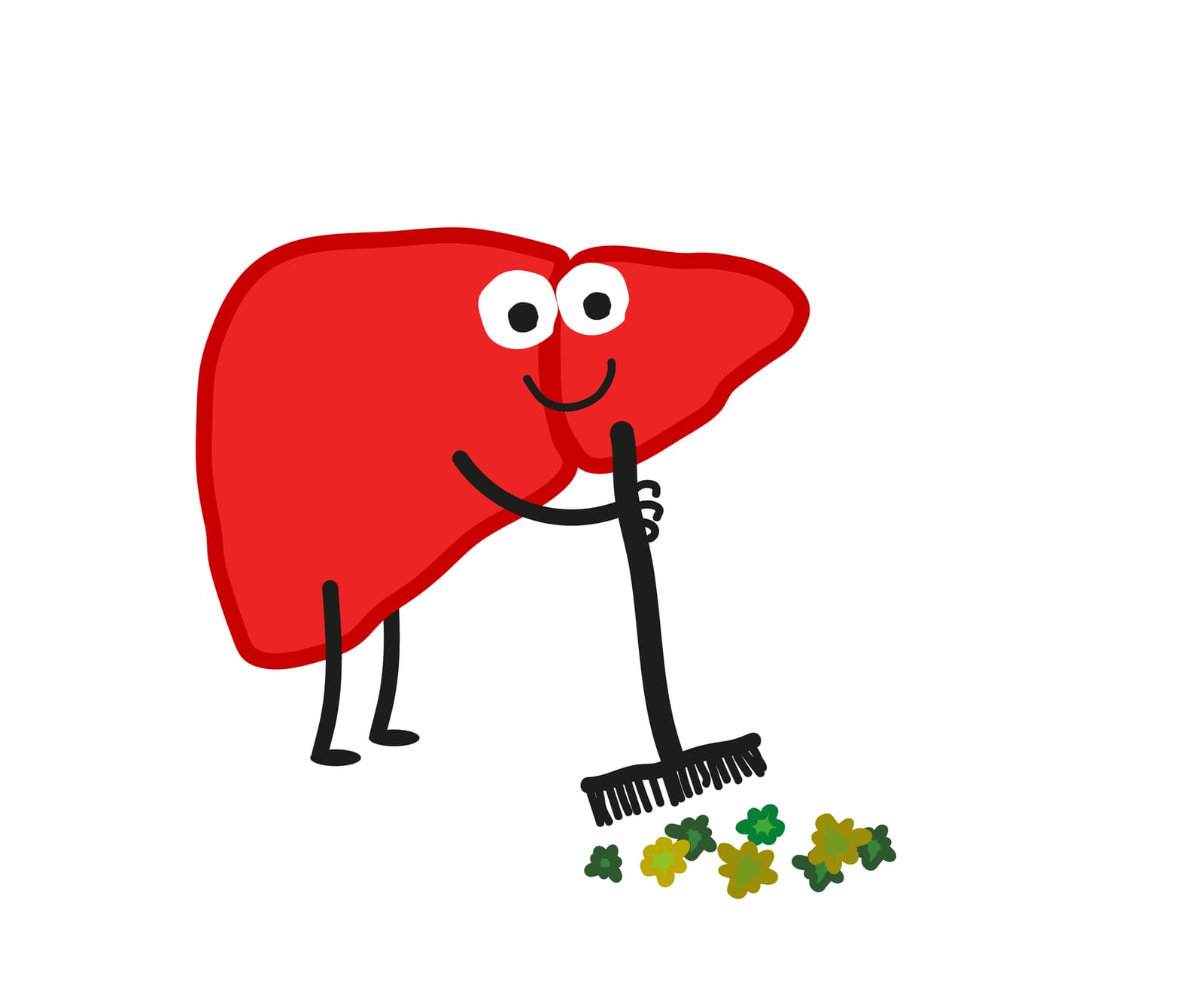
Your liver is the largest internal organ in your body. The conical-shaped reddish-brown organ, located in the upper right-hand position in the abdominal cavity, is responsible for:
- Regulating the chemical composition in your body
- Breaking down the nutrients and chemicals in your bloodstream for better absorption
- Processing hemoglobin for better absorption of iron while producing protein for blood plasma. It regulates blood for the production of amino acids-the building blocks of proteins.
The liver produces bile that helps carry away wastes detoxifying the body and its organs. It also helps in breaking down fats in the small intestine facilitating digestion.
What can harm your liver?
While your liver is responsible for breaking down chemicals in your body, too much fat or toxic substances can cause damage to your liver.
Your liver can malfunction or get damaged because of the following diseases.
- Alcoholic liver disease: Drinking too much alcohol can damage your liver in the long run.
- Fatty liver disease: Eating food rich in saturated fat can disrupt your liver’s ability to work normally, causing fatty liver diseases.
- Hepatitis: It includes infections, viruses, or an autoimmune response that can cause liver inflammation resulting in a damaged liver.
- Cirrhosis: It happens when the scar tissue replaces healthy tissues in the liver, causing fibrosis. Fibrosis can occur because of an increased level of toxins, alcohol, and infections in the liver that can eventually cause liver failure.
What is a liver cleanse?
A liver cleanse, or detox is a way to clean your liver of toxins, helping improve your liver functions, lose weight, or overall well-being.
While a liver naturally detoxifies your body removing waste and toxins from your bloodstream and keeping you healthy, some practitioners believe we need to clean the liver to maintain good health.
Although there is little evidence to support this, it is argued that the liver, in order to detoxify the body, becomes toxic and needs to be cleansed, especially when you drink too much alcohol or eat fatty food, damaging the liver.
Usually, a liver cleanse involves:
- Taking supplements that promised to clean and detoxify the liver.
- Detoxifying the colon and the gut using enemas.
- Going on a juice fast.
- Eating a liver-friendly diet.
- Avoiding food that can harm the liver.
While having food that helps the liver function and avoiding food that harms the liver can help improve your health, taking extreme measures in the name of liver cleansing can do more harm than good.
Does a liver cleanse work?
While a healthy liver naturally detoxifies itself, an unhealthy or damaged liver will not get better through a liver cleanse.
A liver cleanse can also pose health risks:
- A liver detoxifying diet may not include all the nutrients your body needs to stay healthy. In the long run, such a limited diet can lead to nutritional deficiencies, especially in the elderly, children, and pregnant women.
- Enemas, if not administered properly, can cause life-threatening diseases.
- Liver cleanses, if used in place of medical treatment, can further damage your liver.
Some facts about liver cleansing
Although liver cleansing often promises to treat a damaged liver or balance overindulgence in fatty foods and alcohol, the effects are usually short-term that can have adverse long-term consequences.
It's believed a liver cleanse program:
- Will not prevent liver diseases. If you are an alcoholic or regularly eat a fat-rich diet, getting a liver cleanse will not protect you from liver diseases.
- Cannot treat existing liver damage. For that, you need medical supervision and treatment.
- Cannot help you lose weight. A detox program can cause some early weight loss. But people usually regain it back in the long run.
The best way to maintain a healthy liver is to have a balanced diet, avoid overconsumption of food and alcohol, and get screened for liver infections and diseases. In case of liver damage, consult a medical practitioner for proper medical diagnosis and treatment.
Sources
- 1hopkinsmedicine.org/health/conditions-and-diseases/liver-anatomy-and-functions
- 2hopkinsmedicine.org/health/conditions-and-diseases/alcoholinduced-liver-disease
- 3my.clevelandclinic.org/health/diseases/15831-fatty-liver-disease
- 4hopkinsmedicine.org/health/conditions-and-diseases/hepatitis
- 5niddk.nih.gov/health-information/liver-disease/cirrhosis
- 6hopkinsmedicine.org/health/wellness-and-prevention/detoxing-your-liver-fact-versus-fiction
General information, not medical advice
This article can't account for your health history or current treatment. Talk to a qualified clinician before you change anything about your care.
Read our medical disclaimer →
On this page
What can harm your liver?
What is a liver cleanse?
Does a liver cleanse work?
Some facts about liver cleansing
Sources
Put what you read to work
Track your medicines, check a symptom and talk with people managing the same condition, all in Healthread.
Get the app
Keep reading
Beauty and Anti-Aging
Gastric Balloon for Weight Loss
The gastric balloon weight loss procedure is a new FDA-approved minimally invasive bariatric procedure for treating obesity. It is a temporary procedure that involves placing a saline-filled silicone balloon in the…
June 19, 2025 · 3 min read
Beauty and Anti-Aging
Vitamin D Deficiency
Also known as the sunshine vitamin, vitamin D is an essential nutrient that is naturally absorbed by the skin through exposure to sunlight. It can also be obtained from dietary sources and supplements.
December 30, 2024 · 3 min read
Beauty and Anti-Aging
Cellulite
Cellulite appears with an orange peel or cottage cheese-like texture with a dimpled or lumpy skin surface. Mild cellulite is visible when you pinch the area with cellulite, like the thighs. Severe cellulite can make the…
August 13, 2024 · 3 min read


© 2026 Healthread
English · Español
Healthread does not provide medical advice, diagnosis or treatment. Always speak to a qualified clinician about your care.