

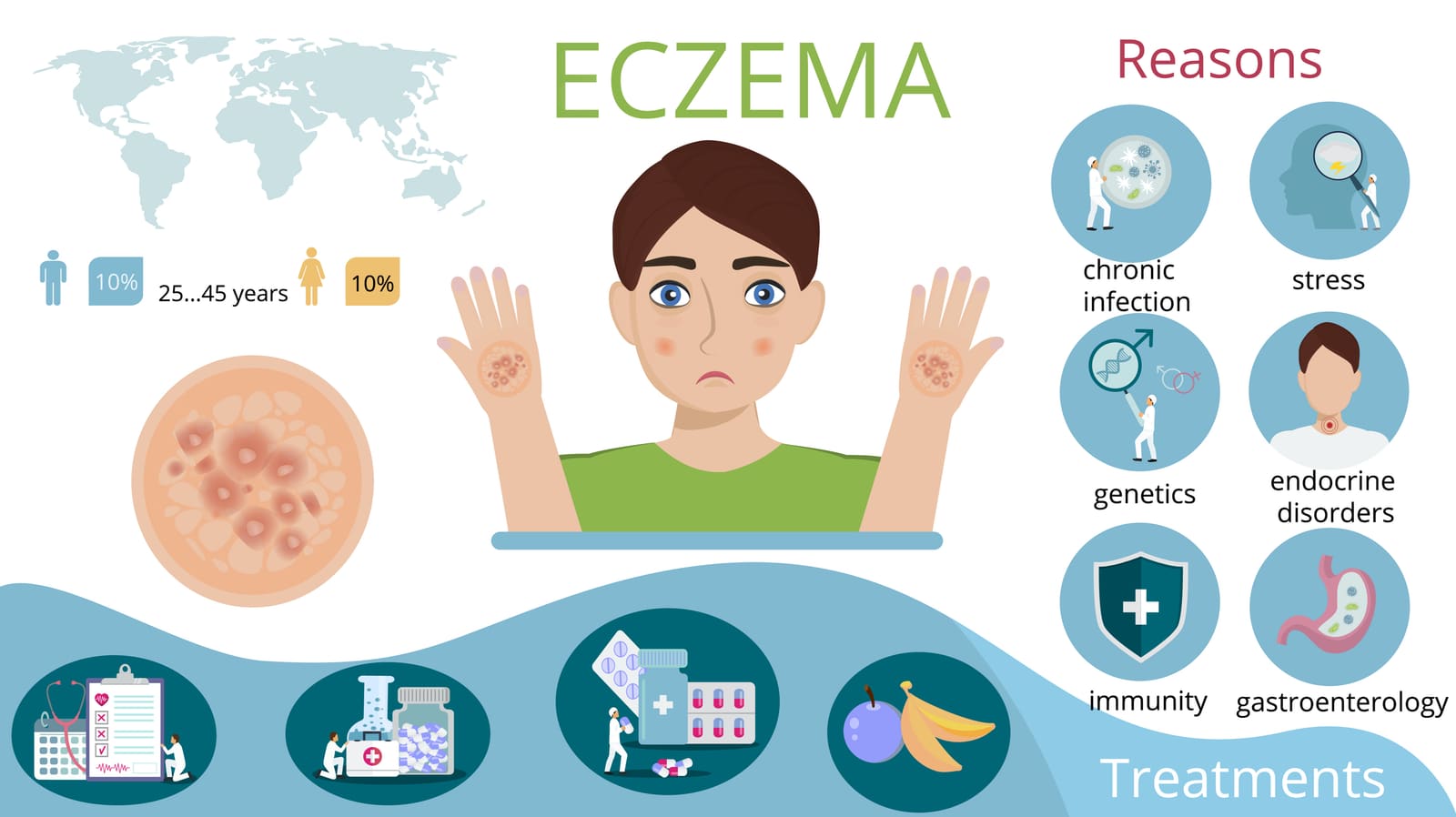
Eczema is a skin condition that is also called atopic dermatitis. Eczema is characterized by itchy, red skin. Eczema is most common among children, but the condition can cause skin problems at any age. According to the National Institutes on Health (NIH), as many as 30% of children and adults may have eczema. Eczema is a chronic disease and is also associated with asthma and other allergies. One of the major risks of eczema is vulnerability to viral, fungal, and bacterial skin infections. Eczema often begins before children enter school and can occur in infancy.
Signs and symptoms of eczema are varied and can be challenging to cope with. Symptoms include dry skin and itching. Eczema itching can become very severe, especially at night. Additional signs and symptoms include:
- Brownish-gray, pink, and red patches of itchy skin
- Small raised bumps which can become similar to blisters
- Thick, cracked, scaly skin
- Raw, sensitive and swollen skin
Eczema outbreaks can appear on the feet, ankles, wrists, and hands. Eczema can also appear on the upper chest, eyelids, inside of knees and elbows. Babies can have eczema on their scalp, face, and back of their legs and bottom.
According to the National Eczema Association, although the ultimate cause isn't certain, researchers believe there is a genetic component to eczema, and that both genetic causes and environmental triggers can cause the condition. An over-reactive immune system is common in people with eczema. A mutation in a gene that creates a protein called filaggrin, a substance that helps the body maintain a strong top layer of skin, is associated with some cases of eczema. The National Eczema Association says that a lack of filaggrin leads to weakened skin, which can become dry, itchy, and prone to infection.
Like other immune conditions, eczema can flare up at times, and be more under control at times. The condition can be triggered by a variety of substances and the environment. The National Eczema Foundation warns people with eczema that they can get worse if their skin is dry, or if they're exposed to the following irritants:
- Metal (particularly nickel)
- Cigarette smoke
- Household cleaners
- Soaps
- Fragrances
- Wool and polyester fabrics
- Antibacterial ointments
- Formaldehyde
- Some antibacterial ingredients (isothazolinones)
- Shampoo and lotion thickeners (cocamidopropyl betaine)
- Leather dyes
- Ingredients in temporary tattoos
Most people with eczema know that they need to be careful about which types of laundry detergent, body wash, shampoo, soap, and fabric softener they use (if at all). Eczema is a frustrating condition, and sensitivity to different substances can change over time. In addition to external triggers, stress is also a common factor in eczema flare-ups. Some people can experience eczema flare-ups while they are under stress. Then, the eczema flare-up results in more stress, which can become a cycle.
Eczema is also part of the "atopic triad," which can run in families. The triad consists of eczema, allergies, and asthma. As many as 30% of children with eczema also develop food allergies, according to the National Institutes of Health. Recent research shows that children with eczema and food allergies have differences in the structure and molecules of their skin which are hallmarks of both conditions. The skin changes can especially indicate a potential life-threatening peanut allergy. Children with these skin changes also had a greater amount of Staphyloccocus aureus in their skin, making them more vulnerable to skin infection.
Prescription medications can help eczema, from basic medications like corticosteroid creams to anti-infection drugs. Some people with eczema can benefit from oral corticosteroids like prednisone, but these drugs are not able to be used for long periods because they cause serious side effects. A new drug, dupilumab (Dupixent) has been approved by the FDA for treating severe eczema. Dupilumab is an injected biologic medication. Light therapy and wet dressings can also relieve eczema, although the Mayo Clinic reports that light therapy can have negative side effects, including skin cancer. Relaxation, biofeedback, and counseling can relieve the stress that eczema can cause, or that can contribute to flare-ups of the condition.
The National Eczema Association offers many resources for people with eczema and parents of children with Eczema. The Association provides advocacy for patients, informs people of their rights, and offers guidance for people in dealing with insurance companies. The Association also provides self-help resources and access to support groups. Eczema, as well as the other parts of the "atopic triad" can be frustrating and stressful, as well as potentially serious health threats. Help is available, and although eczema is a chronic condition, it can be improved and controlled. Research continues into the causes of eczema and potential cures.
Sources
Mayo Clinic - Atopic dermatitis (eczema)
National Eczema Association - What Is Eczema?
National Eczema Association - Get Support
NIH - National Institute of Allergy and Infectious Diseases - Eczema (Atopic Dermatitis)
NIH - National Institute of Allergy and Infectious Diseases - Scientists Identify Unique Subtype of Eczema Linked to Food Allergy
General information, not medical advice
This article can't account for your health history or current treatment. Talk to a qualified clinician before you change anything about your care.
Read our medical disclaimer →
Put what you read to work
Track your medicines, check a symptom and talk with people managing the same condition, all in Healthread.
Get the app
Keep reading

Beauty and Anti-Aging
Gastric Balloon for Weight Loss
The gastric balloon weight loss procedure is a new FDA-approved minimally invasive bariatric procedure for treating obesity. It is a temporary procedure that involves placing a saline-filled silicone balloon in the…
June 19, 2025 · 3 min read

Beauty and Anti-Aging
Vitamin D Deficiency
Also known as the sunshine vitamin, vitamin D is an essential nutrient that is naturally absorbed by the skin through exposure to sunlight. It can also be obtained from dietary sources and supplements.
December 30, 2024 · 3 min read
Beauty and Anti-Aging
Cellulite
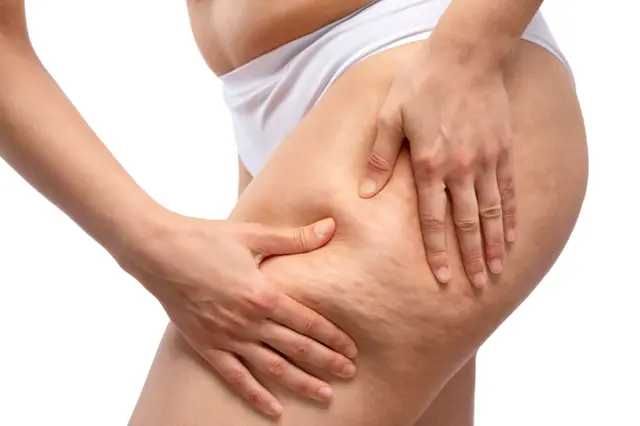
Cellulite appears with an orange peel or cottage cheese-like texture with a dimpled or lumpy skin surface. Mild cellulite is visible when you pinch the area with cellulite, like the thighs. Severe cellulite can make the…
August 13, 2024 · 3 min read


© 2026 Healthread
English · Español
Healthread does not provide medical advice, diagnosis or treatment. Always speak to a qualified clinician about your care.