

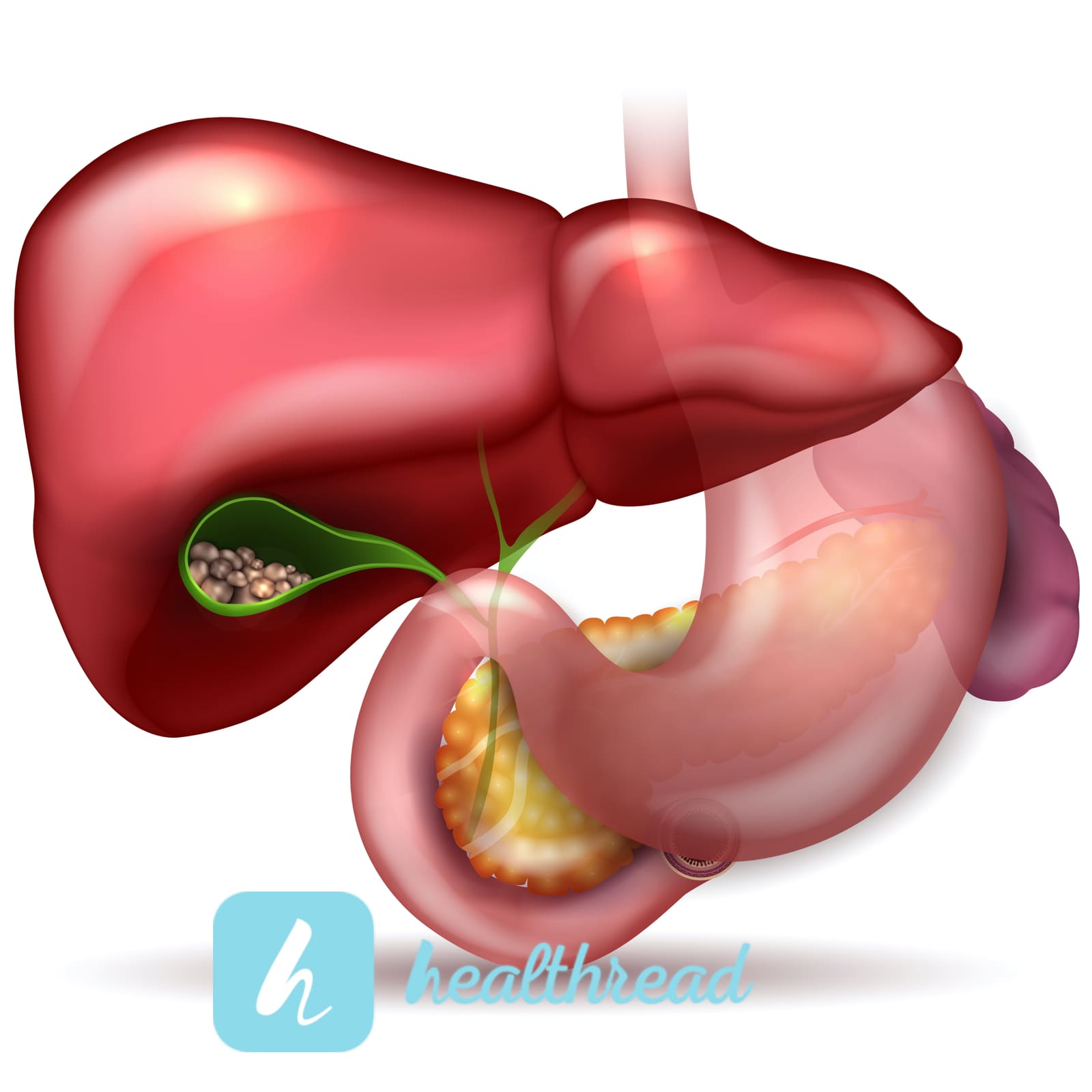
According to the National Institutes of Health (NIH), gallstones are one of the most common health conditions. Gallstones affect anywhere between 10 and 15 percent of the population, up to 25 million people. About 1 million people a year are diagnosed with gallstones, and 25% of them will need treatment, the NIH reports.
What are gallstones?
The gallbladder makes a substance called bile which helps you to digest food. Bile can form hardened deposits inside your gallbladder or "stones." The stones can be as small as a grain of sand up to golf ball sized. You can develop a single gallstone or have many of them. Many people are unaware they have gallstones until or unless they flare up and cause symptoms, which are unpleasant and can be very painful.
What are gallstone symptoms?
Gallstone symptoms occur when one of the stones blocks a duct in your biliary tract. The biliary tract includes hepatic ducts, the common bile duct, and the cystic duct. Because your body instructs your gallbladder to release bile into your digestive system every time you eat, gallstone-related attacks most often occur after eating a meal. The symptoms include:
- Sudden and increasing pain in your upper right abdomen
- Sudden and increasing pain in the center of your abdomen, below the breastbone
- Upper to mid-back pain, between the shoulder blades
- Right shoulder pain
- Vomiting and nausea
A gallstone attack can last for several minutes up to a few hours. You should seek immediate medical attention if your pain is so intense that you can't sit or find any comfortable position, have a fever and chills, or the whites of your eyes or skin are yellow, which signifies jaundice.
What causes gallstones?
The mechanism that causes gallstones isn't fully understood, but the Mayo Clinic says that some stones can be caused by the following conditions:
Too much cholesterol in your bile
- Too much bilirubin in your bile
- Incorrect or insufficient emptying of your gallbladder
Gallstones resulting from too much bilirubin (a substance that is produced when your body breaks down red blood cells) are black or dark brown. The most common gallstones result from too much cholesterol and are typically yellowish in color.
What are risk factors for gallstones?
Gallstones are more common among people who are obese, and they are more common in women over age 40. If you have a family history of gallstones, you are also at higher risk. Native Americans and Mexican Americans can be more likely to develop gallstones because they have a genetic predisposition to making more cholesterol in their bile.
Estrogen also plays a role in gallstone development, which is why women can develop them while they're pregnant or taking hormone replacement therapy. A high cholesterol diet can promote gallstone formation. In addition, people who've lost weight rapidly, such as through gastric bypass surgery, can also develop gallstones due to increased cholesterol and rapid metabolic changes.
Additional risk factors for gallstones include:
- Chronic liver disease, including cirrhosis
- Bile duct infections
- Hemolytic anemia, including sickle cell anemia
- Digestive diseases, including Crohn's disease
- High triglycerides and low HDL cholesterol
- Metabolic syndrome
- Diabetes
How are gallstones treated?
About three-quarters of people with gallstones don't require treatment because their stones aren't causing painful or dangerous symptoms. For the 25% who have symptoms and significant complications, gallstone treatment can include surgery or medications.
Medications can dissolve gallstones, but they take several months and even years to work. Gallbladder surgery, also called a cholecystectomy, removes the gallbladder and the stones. The gallbladder isn't essential, and once the gallbladder is removed, bile flows directly into your intestine. Some people experience digestive problems after gallbladder surgery, but these are not usually severe or long-lasting.
Can you prevent gallstones?
Gallstones are worsened by diets that are high in cholesterol and low in fiber, and they are associated with health problems like obesity, metabolic syndrome, and diabetes. If you're losing weight, take care to lose it slowly, because rapid weight loss is a known risk factor for gallstones. A safe rate of weight loss is no more than two pounds or one kilo a week. You should also strive to maintain a healthy weight by eating nutritious, high fiber meals and getting sufficient exercise.
Sources
General information, not medical advice
This article can't account for your health history or current treatment. Talk to a qualified clinician before you change anything about your care.
Read our medical disclaimer →
On this page
What are gallstones?
What are gallstone symptoms?
What causes gallstones?
What are risk factors for gallstones?
How are gallstones treated?
Can you prevent gallstones?
Sources
Put what you read to work
Track your medicines, check a symptom and talk with people managing the same condition, all in Healthread.
Get the app
Keep reading

Beauty and Anti-Aging
Gastric Balloon for Weight Loss
The gastric balloon weight loss procedure is a new FDA-approved minimally invasive bariatric procedure for treating obesity. It is a temporary procedure that involves placing a saline-filled silicone balloon in the…
June 19, 2025 · 3 min read
Beauty and Anti-Aging
Vitamin D Deficiency
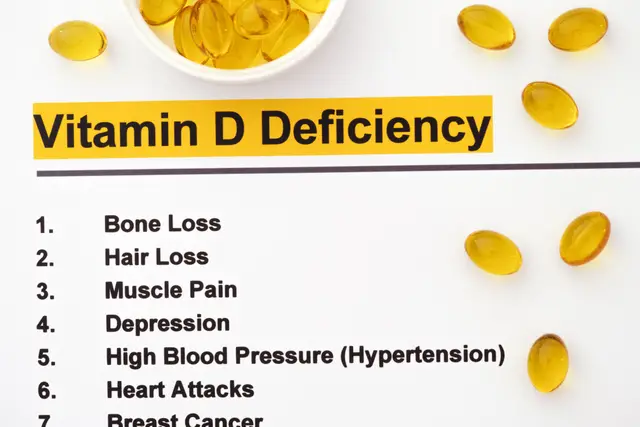
Also known as the sunshine vitamin, vitamin D is an essential nutrient that is naturally absorbed by the skin through exposure to sunlight. It can also be obtained from dietary sources and supplements.
December 30, 2024 · 3 min read
Beauty and Anti-Aging
Cellulite
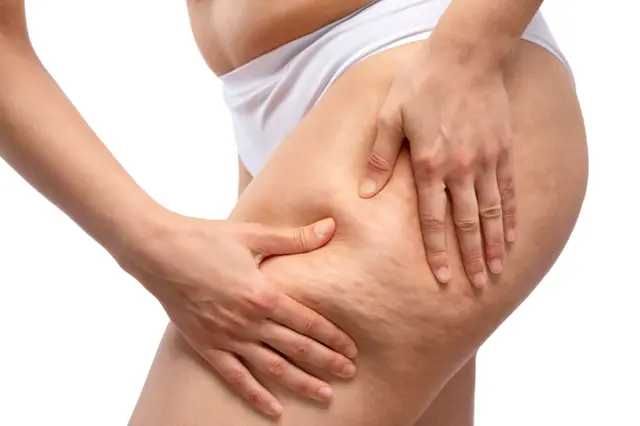
Cellulite appears with an orange peel or cottage cheese-like texture with a dimpled or lumpy skin surface. Mild cellulite is visible when you pinch the area with cellulite, like the thighs. Severe cellulite can make the…
August 13, 2024 · 3 min read


© 2026 Healthread
English · Español
Healthread does not provide medical advice, diagnosis or treatment. Always speak to a qualified clinician about your care.