

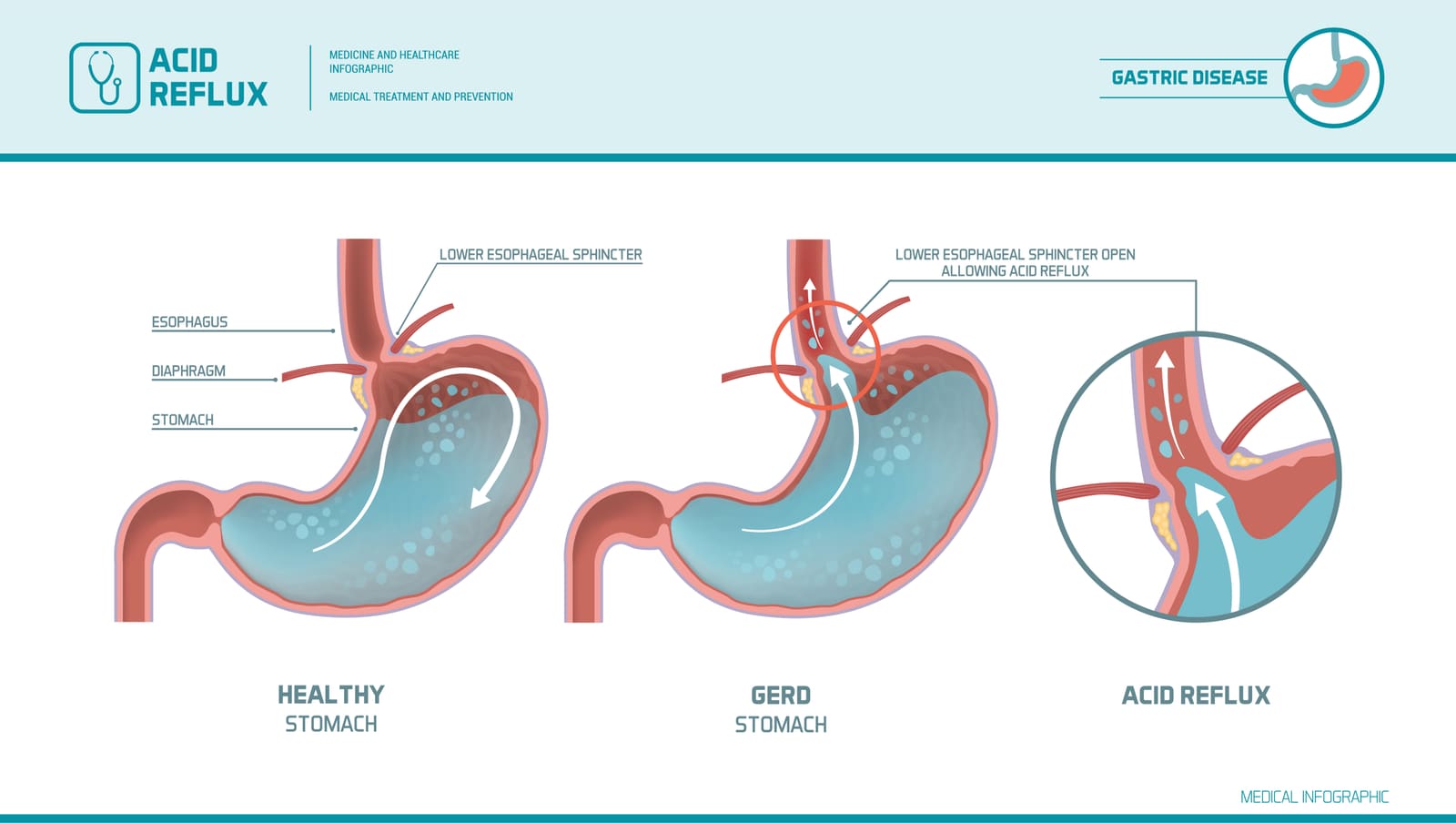
Most people know what heartburn feels like—that painful burning sensation in your chest that often occurs after consuming certain foods or beverages. But for some people, this unpleasant sensation is much more common than the occasional after-meal disturbance. About 1 in 5 adults, as well as some children, are living with a health condition known as gastroesophageal reflux disease, better known as GERD.
Keep reading to learn about GERD, including what causes it and what you can do about it.
Causes of GERD
As noted by Mayo Clinic, GERD occurs when acid from your stomach abnormally flows up into your esophagus (the long thin tube connecting your mouth and stomach). To get into the esophagus, the stomach acid must pass a band of muscle at the bottom of your esophagus called the lower esophageal sphincter (LES). The LES normally acts as a barrier to help prevent this from occurring. Once it gets past the LES and inside the esophagus, the stomach acid can irritate the delicate esophageal lining and lead to uncomfortable signs and symptoms.
Despite how common GERD is, it's not always clear why it happens. Common factors may include a distended stomach, delayed emptying of the stomach, large hiatal hernia (when a part of the stomach moves above a muscle called the diaphragm), or too much acid in the stomach. Additional risk factors include:
- Obesity
- Pregnancy
- Certain connective tissue disorders, like scleroderma
Importantly, not everyone who experiences symptoms like peroidic heartburn has GERD. The only way to know for sure if you have GERD is to talk to your doctor or get a referral to a specialist, such as a gastroenterologist or internist.
Is it GERD? Top GERD Signs and Symptoms
Heartburn—which is often worse after a meal or at night—is one of the most common symptoms of GERD, but there are others. According to the International Foundation for Gastrointestinal Disorders, additional GERD signs and symptoms include:
- Burping or belching
- Vomiting or nausea
- Pain when swallowing
- Waterbrash (sudden excess of saliva)
- Chronic sore throat, or frequently needing to clear one's throat or cough
- Gum inflammation
- Erosion of tooth enamel
- Vocal hoarseness, especially in the morning
- Bad breath or sour taste in the mouth, especially in the morning
- Chronic asthma or wheezing
- Noncardiac chest pain
Sometimes, having GERD may make it difficult to swallow your food and may lead to the feeling that food is stuck in your throat. This is known as dysphagia and can lead to life-threatening complications, including choking or aspiration pneumonia. Call your doctor right away if you suspect you are having trouble swallowing your food.
Treatment and Lifestyle Strategies for GERD
- Radiographic imaging (esophagram), to see what happens when a person swallows food or liquid (and to rule out other conditions like a hiatial hernia)
- Upper endoscopy, in which a doctor inserts a tiny camera on the end of a thin flexible tube to see the esophagus
- Esophageal manometry, in which a thin tube inserted into the throat through the nose measures muscle contractions of the esophagus
- Ambulatory 24-hour pH probe, which uses a small pH sensor attached to the tip of a small tube inserted into through the nose and into the esophagus so that levels of acid can be measured and recorded for up to 24 hours
Some of these tests sound fairly invasive, of course. Doctors often use local numbing agents to make the process more comfortable. Sometimes, these tests may turn out normal even if a person has GERD. In many cases, a doctor may be able to diagnose a person with GERD based on their symptoms, medical history, and family history alone.
Getting your GERD properly managed is important, because if left untreated complications can develop. These complications may include scarring and narrowing of the esophagus (stricture), esophageal ulcer, and precancerous changes inside the lower lining of the esophagus (Barrett's esophagus). GERD (as well as some medications used to treat GERD) may also lead to electrolyte imbalances and deficiencies in certain nutrients, including vitamin B12, calcium, and iron.
Usually, lifestyle modifications and medications are effective for managing GERD. Over-the-counter or prescription medications include drugs that reduce acid production, neutralize stomach acid, and heal the esophagus tissue. Some of these drugs come with a risk of side effects, especially if used long-term, so you should check with your doctor about what medications are best for you.
Lifestyle strategies shown to help manage GERD include:
- Not smoking
- Avoiding large meals and/or fatty meals, epecially late at night
- Not drinking certain beverages, including alcohol or drinks containing caffeine
- Sleeping with your head elevated
- Losing excess body fat
Certain other health conditions are associated with GERD, including obesity, diabetes, hypertension, and even depression. It's important to talk to your doctor about all your health concerns so any underlying conditions can be avoided or addressed.
Do GERD Symptoms Impact Your Daily Life?
Frequent belching, heartburn, and other symptoms can truly take the joy out of your meals and affect your everyday life. We invite you to meet other people from the Healthread community who are also living with GERD and have found ways to cope with their disease. And for even more information, check out these handy resources:
Sources
General information, not medical advice
This article can't account for your health history or current treatment. Talk to a qualified clinician before you change anything about your care.
Read our medical disclaimer →
On this page
Causes of GERD
Is it GERD? Top GERD Signs and Symptoms
Treatment and Lifestyle Strategies for GERD
Do GERD Symptoms Impact Your Daily Life?
Sources
Put what you read to work
Track your medicines, check a symptom and talk with people managing the same condition, all in Healthread.
Get the app
Keep reading

Beauty and Anti-Aging
Gastric Balloon for Weight Loss
The gastric balloon weight loss procedure is a new FDA-approved minimally invasive bariatric procedure for treating obesity. It is a temporary procedure that involves placing a saline-filled silicone balloon in the…
June 19, 2025 · 3 min read
Beauty and Anti-Aging
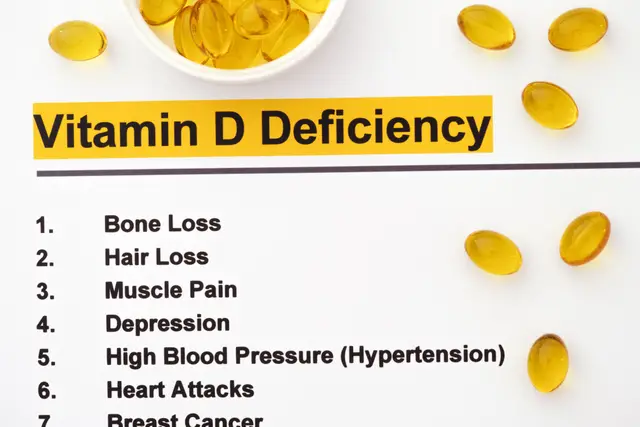
Vitamin D Deficiency
Also known as the sunshine vitamin, vitamin D is an essential nutrient that is naturally absorbed by the skin through exposure to sunlight. It can also be obtained from dietary sources and supplements.
December 30, 2024 · 3 min read
Beauty and Anti-Aging
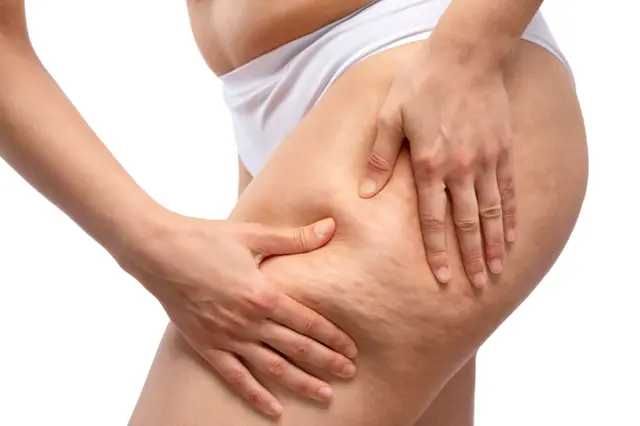
Cellulite
Cellulite appears with an orange peel or cottage cheese-like texture with a dimpled or lumpy skin surface. Mild cellulite is visible when you pinch the area with cellulite, like the thighs. Severe cellulite can make the…
August 13, 2024 · 3 min read


© 2026 Healthread
English · Español
Healthread does not provide medical advice, diagnosis or treatment. Always speak to a qualified clinician about your care.