

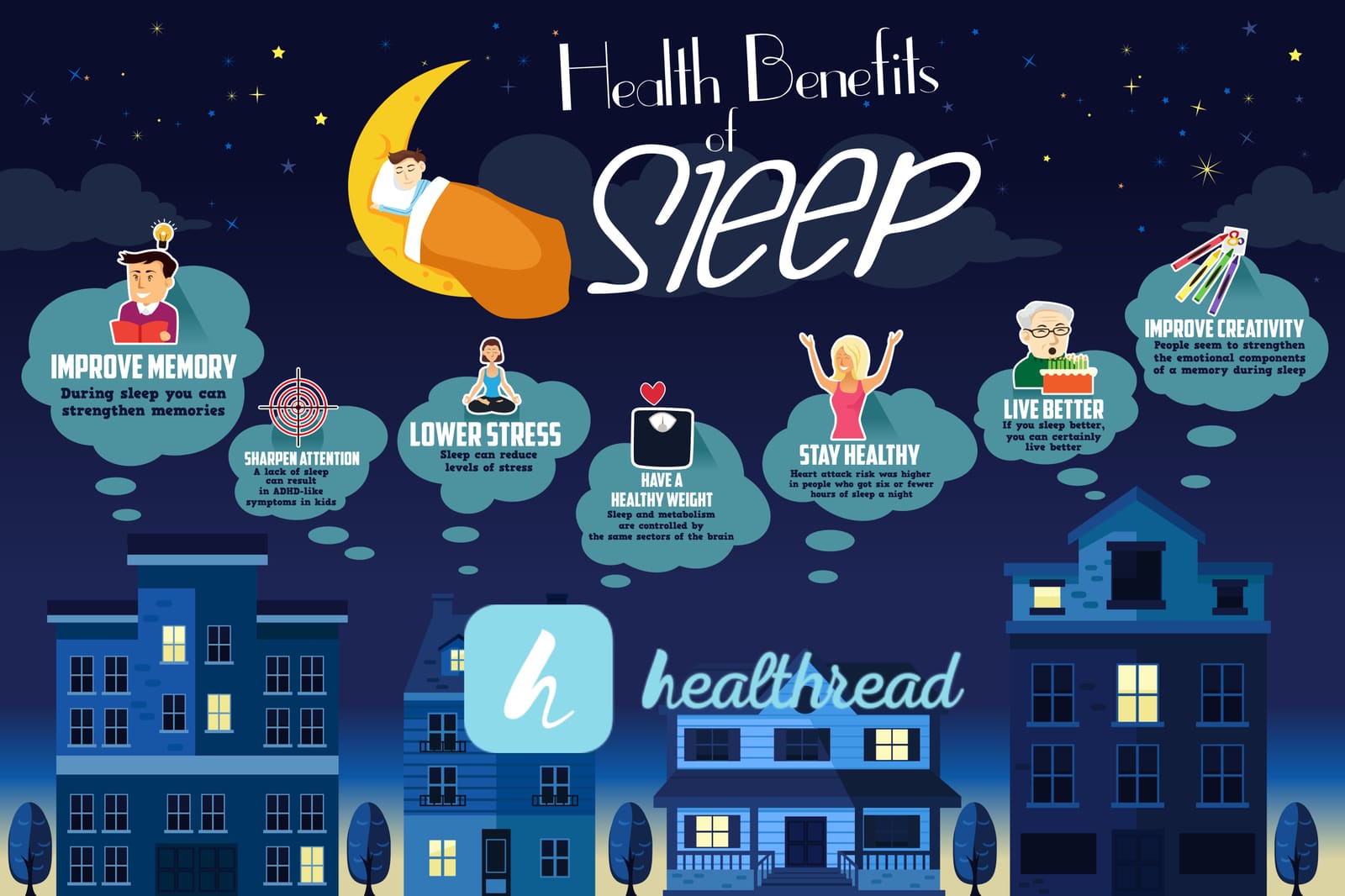
Sleep isn't a luxury—it's a necessity for staying healthy, reducing your risk of chronic illness and disease, and managing existing conditions. Keep reading to learn about the surprising benefits of sleep and how you can improve your sleep quality and quantity at any age.
5 Ways Good Sleep May Boost Your Health
The typical adult needs between 7 and 9 hours of uninterrupted sleep per night. Most of us know what it feels like to not get the recommended amount, since sleep deprivation can impair mood, concentration, and energy levels.
But chronic sleep deprivation—which affects anywhere from 50 to 70 million Americans—can have long-lasting as well as temporary effects. For example, studies connect poor sleep to an increased risk of a number of chronic health conditions, including depression, cancer, stroke, and diabetes.
The good news is, getting the right amount of sleep for your needs may offer a range of health benefits. This includes:
- 1.Improved Heart Health: getting enough sleep may lower the risk for heart disease, in part because sleep deprivation is linked to issues such as high blood pressure and increased inflammation, which damage the heart and blood vessels
- 2.Stronger Immune System: studies show that good sleep supports a healthy immune system and immune cell function, which is essential for fighting disease and avoiding illnesses
- 3.Better Weight Management: we need more research to clarify how good sleep may help with weight loss and management—but we do know that poor sleep is correlated with increased hunger, food cravings, and weight gain, so many health experts believe that getting better sleep may be an important step in combating obesity
- 4.Enhanced Memory and Cognitive Function: while lack of sleep may increase the risk of judgment errors—which can lead to accidents on the road and in the workplace—sufficient amounts of sleep have been shown to improve memory and learning, boost mood, and even alleviate symptoms of stress, depression, and anxiety
- 5.Improves Physical Performance: sleep is a highly metabolically active period during which our tissues repair and regenerate, which is essential for physical gains, recovery, and injury prevention; sufficient sleep has also been shown to improve accuracy, speed, and other elements of athletic performance
Top Research-Backed Tips on Getting Better Sleep
Not getting enough sleep is like taking a major gamble on your health. On the other hand, improving your sleep is an important investment in your physical and mental well-being. So, when it comes to improving both the quantity and quality of your sleep, consider trying these tips from the National Sleep Foundation:
- Stick to a schedule—go to bed and wake up at the same time every day
- Sleep in a dark cool room: use blackout curtains, remove night lights, and set the bedroom temperature between 60 and 67 degrees
- Exercise on all or most days
- Eat a nutritious diet—your brain and body need certain nutrients, vitamins, and minerals to function properly, and your biological clock (circadian rhythm) is a major bodily function
- Avoid naps, especially later in the day—and if you are going to nap, keep them on the short side (10 to 20 minutes)
- Get healthy sunlight exposure during the day and avoid excessive light exposure at night (this helps keep your biological clock functioning properly)
- Use your bedroom only for its two intended purposes, rest and romance
- Avoid alcohol and caffeine consumption, especially later in the day—alcohol may help you fall asleep but it disrupts the quality of your rest, whereas caffeine (a stimulant) may make it harder for you to fall asleep
- Avoid overstimulating media and other activities close to bedtime, and do something relaxing instead (such as reading a book, puzzling, or doing an art project)
Want more information about better sleep and other ways you can boost your family's health? Check out the blog at Healthread.com and browse our full list of topics.
Source
- 1newsinhealth.nih.gov/2013/04/benefits-slumber
- 2sleepfoundation.org/articles/healthy-sleep-tips
- 3medicalnewstoday.com/articles/324432#The-mechanism-that-disrupts-T-cells
- 4rupress.org/jem/article/216/3/517/120367/G-s-coupled-receptor-signaling-and-sleep-regulate
- 5cdc.gov/features/sleep-heart-health/index.html
- 6ncbi.nlm.nih.gov/pmc/articles/PMC3548567/
- 7wm.edu/offices/sportsmedicine/_documents/sleep-manual
- 8ncbi.nlm.nih.gov/pmc/articles/PMC3119836/
- 9sleepfoundation.org/articles/healthy-sleep-tips
- 10hsph.harvard.edu/obesity-prevention-source/obesity-causes/sleep-and-obesity/
- 11sleepfoundation.org/articles/sleep-athletic-performance-and-recovery
- 12healthysleep.med.harvard.edu/healthy/matters/benefits-of-sleep/learning-memory
- 13verywellhealth.com/top-health-benefits-of-a-good-nights-sleep-2223766
- 14medicalnewstoday.com/articles/323004#Lack-of-sleep-and-diabetes
- 15ncbi.nlm.nih.gov/books/NBK19961/
- 16health.harvard.edu/newsletter_article/sleep-and-mental-health
- 17sleepfoundation.org/articles/lack-sleep-increases-your-risk-some-cancers
- 18healthysleep.med.harvard.edu/need-sleep/whats-in-it-for-you/mood
- 19ncbi.nlm.nih.gov/pmc/articles/PMC5836576/
General information, not medical advice
This article can't account for your health history or current treatment. Talk to a qualified clinician before you change anything about your care.
Read our medical disclaimer →
On this page
5 Ways Good Sleep May Boost Your Health
Top Research-Backed Tips on Getting Better Sleep
Source
Put what you read to work
Track your medicines, check a symptom and talk with people managing the same condition, all in Healthread.
Get the app
Keep reading
Beauty and Anti-Aging
Gastric Balloon for Weight Loss
The gastric balloon weight loss procedure is a new FDA-approved minimally invasive bariatric procedure for treating obesity. It is a temporary procedure that involves placing a saline-filled silicone balloon in the…
June 19, 2025 · 3 min read
Beauty and Anti-Aging
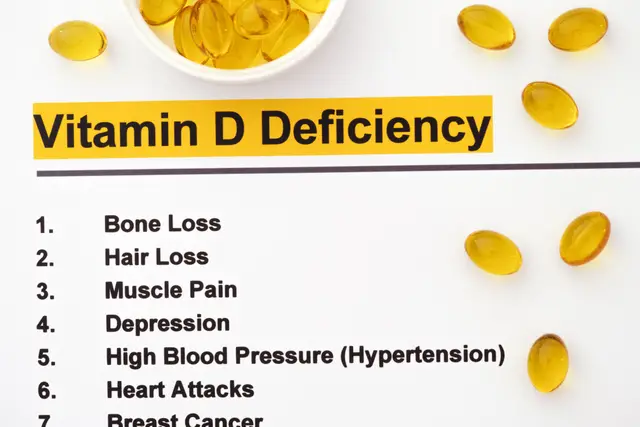
Vitamin D Deficiency
Also known as the sunshine vitamin, vitamin D is an essential nutrient that is naturally absorbed by the skin through exposure to sunlight. It can also be obtained from dietary sources and supplements.
December 30, 2024 · 3 min read
Beauty and Anti-Aging
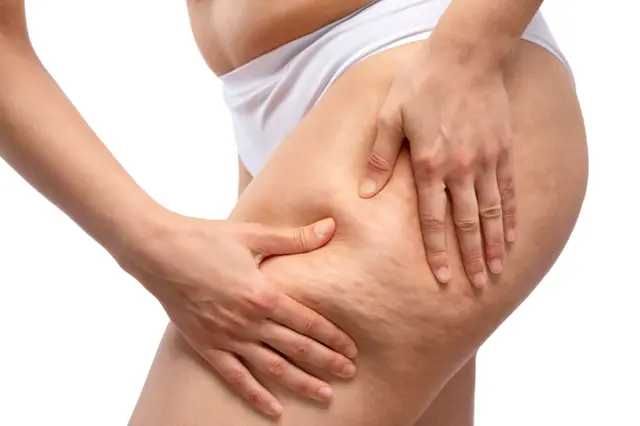
Cellulite
Cellulite appears with an orange peel or cottage cheese-like texture with a dimpled or lumpy skin surface. Mild cellulite is visible when you pinch the area with cellulite, like the thighs. Severe cellulite can make the…
August 13, 2024 · 3 min read


© 2026 Healthread
English · Español
Healthread does not provide medical advice, diagnosis or treatment. Always speak to a qualified clinician about your care.