

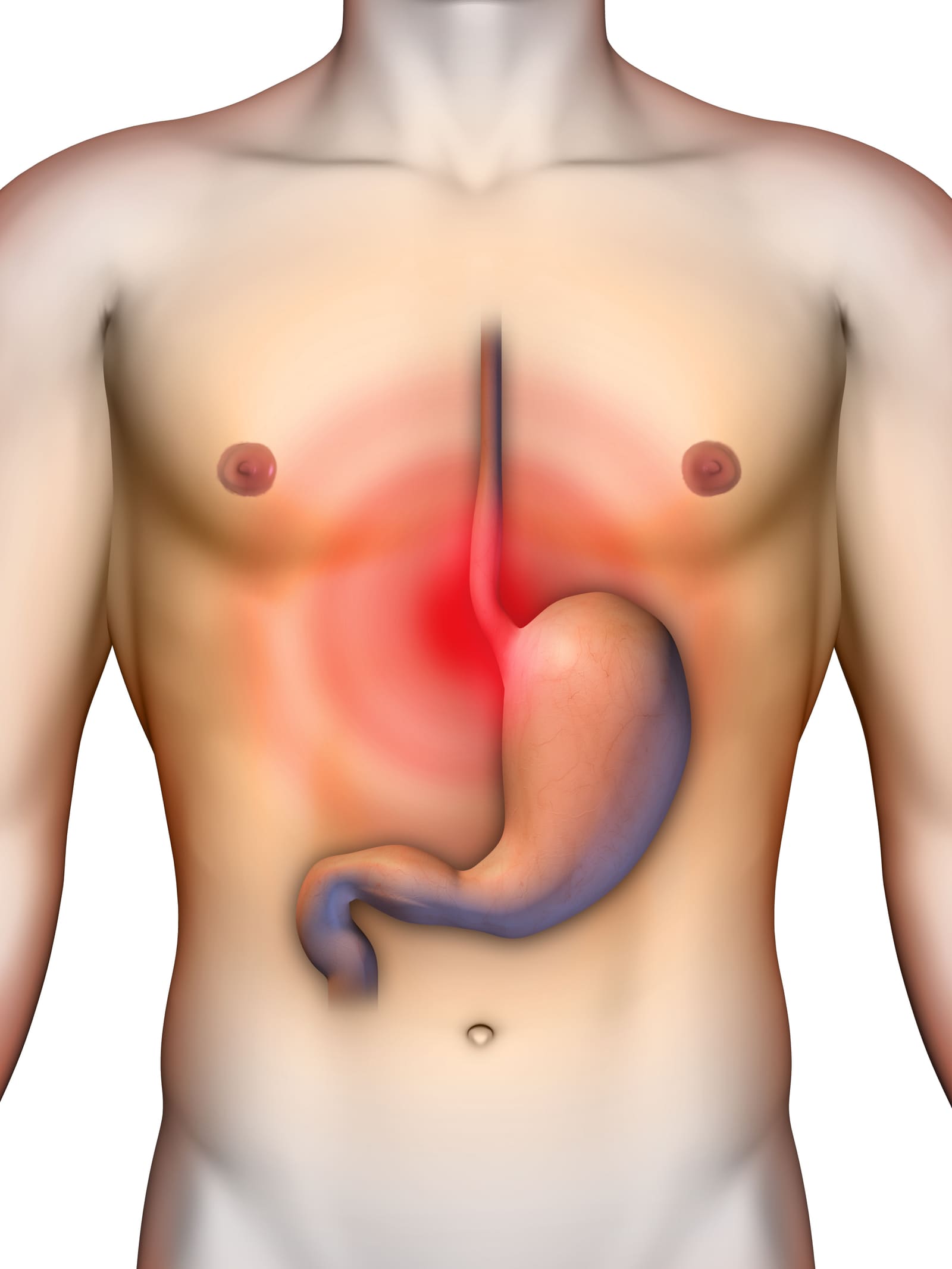
When it comes to esophageal cancer, there are two main types that healthcare professionals look out for: adenocarcinoma of the esophagus and squamous cell cancer.
- Squamous cell cancer is most common in African American people along with those who smoke cigarettes and regularly consume large amounts of alcohol. Squamous cell cancer is not increasing in frequency.
- Adenocarcinoma of the esophagus, on the other hand, is increasing in frequency. This type of cancer is most common in Caucasians and those with gastroesophageal reflux disease (GERD).
Heartburn is the most common symptom of GERD. Researchers estimate that approximately 20% of people in the U.S. are affected by GERD. While people that have GERD are at an increased risk of developing esophageal cancer, most that suffer from this condition will never develop esophageal cancer. However, in some patients with GERD, a change to the esophageal lining develops, which is a condition classified as Barrett’s esophagus. Researchers believe that Barrett’s tissue often results in adenocarcinoma of the esophagus.
What is Barrett's Esophagus?
Barret’s esophagus is a complication of GERD where the esophageal tissue changes and becomes similar to the lining of the intestines. Dysplasia, which is a precancerous change in the tissue, can develop in Barret’s tissue. When a patient develops Barret’s tissue in their esophagus, they are characterized as having Barret’s esophagus.
Why is it called “Barrett’s?
The condition is named after Norman Rupert Barrett, an Australian-born surgeon. For most of his career, he worked at St. Thomas' Hospital in London as a consultant surgeon.
What Causes Barrett’s Esophagus?
There are several factors that contribute to Barrett’s esophagus. It’s most common in people affected by GERD. This condition happens when the contents of the stomach flow in reverse into the esophagus. The acidic liquid from the stomach irritates the esophageal lining and may lead to a change in tissues. However, it’s important to note that some people may have Barrett’s esophagus and not suffer from GERD.
Testing for Barrett’s Esophagus
The first step in checking for Barrett’s esophagus is to screen for it.
What does Barrett’s esophagus screening involve?
In order to test for Barret’s esophagus, your doctor will perform an upper endoscopy. Barret’s tissue is visible during an endoscopy because Barret’s tissue looks different than the normal lining of the esophagus.
The upper endoscopy will provide accurate results; however, your doctor will also take biopsies from the esophagus to confirm the diagnosis and find any precancerous change of dysplasia that cannot be seen.
Who should be screened for Barrett’s esophagus?
Barrett’s esophagus is twice as frequent in men than it is in women. It is most common among middle-aged men who have experienced heartburn for many years. Obese people are also at a higher risk of developing Barrett’s esophagus. Additional conditions that increase the risk of developing Barrett’s tissue include:
- Family history of esophageal cancer or Barrett’s esophagus
- GERD
- Long-term heartburn symptoms (10 or more years)
That being said, experts differ on who should be screened. Barrett’s esophagus is relatively uncommon. Furthermore, esophageal cancer is very rare. But, because Barrett’s esophagus does not produce any symptoms, experts are unsure exactly how common the condition is. However, they estimate it occurs in about 1% of all people. Many patients discover they have Barrett’s esophagus only after seeing a doctor for GERD or developing esophageal cancer.
Some experts suggest that patients over the age of 50 who struggle with heartburn or need regular heartburn medication should be screened. If the screening comes back negative for Barrett’s tissue, there is no need for further testing.
Symptoms of Barrett’s Esophagus/GERD
As we mentioned earlier, Barrett’s esophagus has no symptoms. However, watching out for signs of acid regurgitation and heartburn is a good warning sign.
The biggest warning sign of Barrett’s esophagus is heartburn, which occurs two or more times each week. Heartburn symptoms are characterized by a burning sensation in the chest and acid regurgitation (vomit in the back of the throat). Other symptoms include the following:
- Increased heartburn and heartburn wakes you up from sleep.
- Difficulty swallowing and painful swallowing.
- Chronic sore throat, sour taste in your mouth, or bad breath.
- The sensation of food stuck in your throat.
- Weigh loss.
- Vomiting
- Bloody stools.
More information about Barrett’s esophagus in adults and children can be found on the National Institute of Diabetes and Digestive and Kidney Diseases (NIDDK)
General information, not medical advice
This article can't account for your health history or current treatment. Talk to a qualified clinician before you change anything about your care.
Read our medical disclaimer →
On this page
What is Barrett's Esophagus?
Why is it called “Barrett’s?
What Causes Barrett’s Esophagus?
Testing for Barrett’s Esophagus
What does Barrett’s esophagus screening involve?
Who should be screened for Barrett’s esophagus?
Symptoms of Barrett’s Esophagus/GERD
Put what you read to work
Track your medicines, check a symptom and talk with people managing the same condition, all in Healthread.
Get the app
Keep reading

Beauty and Anti-Aging
Gastric Balloon for Weight Loss
The gastric balloon weight loss procedure is a new FDA-approved minimally invasive bariatric procedure for treating obesity. It is a temporary procedure that involves placing a saline-filled silicone balloon in the…
June 19, 2025 · 3 min read
Beauty and Anti-Aging
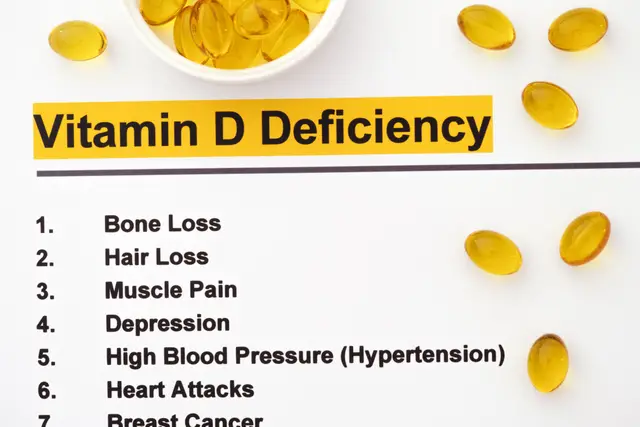
Vitamin D Deficiency
Also known as the sunshine vitamin, vitamin D is an essential nutrient that is naturally absorbed by the skin through exposure to sunlight. It can also be obtained from dietary sources and supplements.
December 30, 2024 · 3 min read
Beauty and Anti-Aging
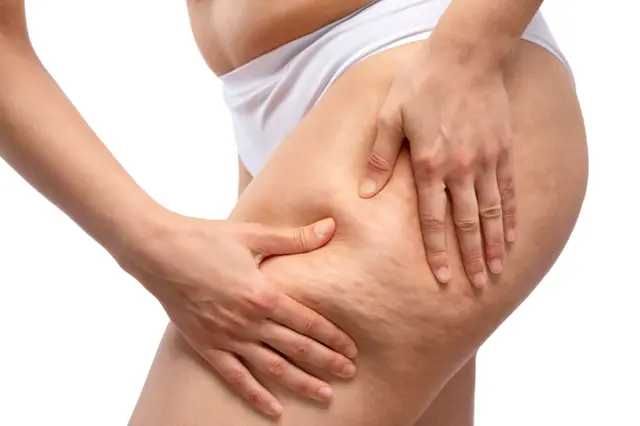
Cellulite
Cellulite appears with an orange peel or cottage cheese-like texture with a dimpled or lumpy skin surface. Mild cellulite is visible when you pinch the area with cellulite, like the thighs. Severe cellulite can make the…
August 13, 2024 · 3 min read


© 2026 Healthread
English · Español
Healthread does not provide medical advice, diagnosis or treatment. Always speak to a qualified clinician about your care.