

Gluten Sensitivity and Celiac Disease: What's the Difference?
March 25, 2020
4 min read
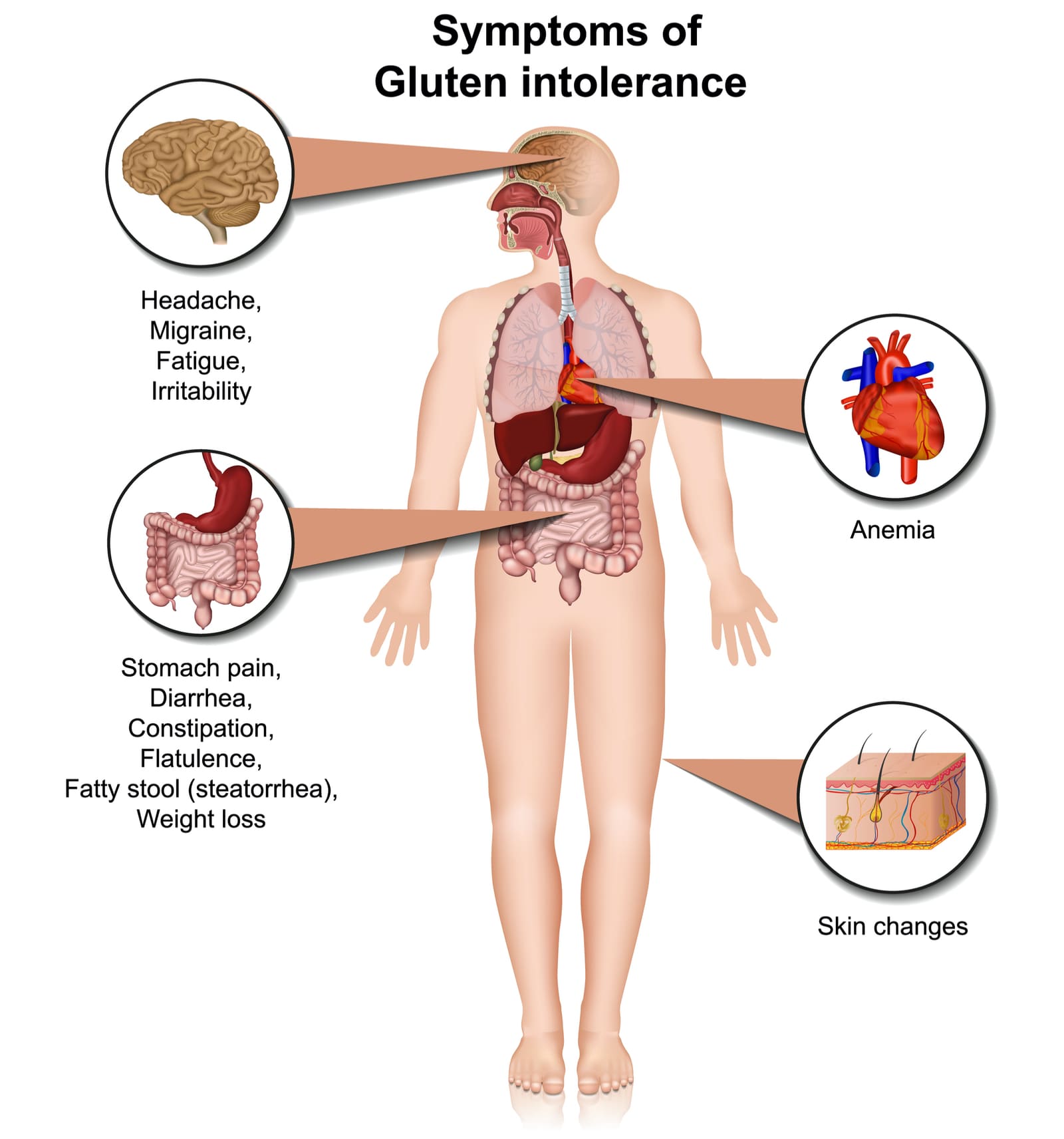
For a lot of people, going "gluten-free" isn't just an attempt to keep up with some trendy fad diet. Gluten, which is found in many types of foods (and even some medications) causes some individuals to feel very uncomfortable or even downright sick.
If you've wondered whether gluten sits right with your body or if you should cut it out of your diet, keep reading to learn more about this little plant protein and why it can problematic for your health.
What is Gluten?
As mentioned, gluten is a type of protein found in certain grains like barley, rye, and especially wheat. It acts like a "glue" that helps give these plants their structure. In food, gluten helps bind dough, helps bread rise, and adds to the pleasing golden color on many baked goods.
You'll find gluten in "obvious" foods sources like breads, cereal, pasta, pizza, pastries, and beer. But because gluten helps hold ingredients together, manufacturers often use gluten as a filler or binding agent in things like sauces, deli meats, and even toothpaste, dietary supplements, and medications. For this reason, it's can be a lot harder to go completely "gluten-free" than you might think.
The question is—is it worth the effort?
Top Signs and Symptoms of a Gluten Intolerance
The problem with gluten is that it can trigger an unpleasant inflammatory reaction in certain individuals. This is called gluten intolerance or gluten sensitivity, and it's not entirely clearly why it happens.
While the exact prevalence is unknown, estimates suggest that as many as 18 million Americans have at least some degree of gluten intolerance or gluten sensitivity. Right now, there's no specific test for gluten intolerance, so the number could be greater or lower than this.
- Bloating
- Strong smelling feces
- Abdominal pain
- Muscle and joint aches and pain
- Constipation and/or diarrhea
- Headaches
- Fatigue and brain fog
- Iron-deficiency anemia
- Depression, anxiety, and other types of mood dysfunction
Some of these symptoms may show up or worsen right after eating a meal containing gluten. Others may persist over time, especially you continue to eat foods containing gluten.
I Think I'm Gluten Intolerant—Does This Mean I Have Celiac Disease?
Just because you notice signs and symptoms of gluten sensitivity doesn't necessarily mean you have celiac disease. Unlike gluten intolerance, celiac disease is a medical condition caused by autoimmune dysfunction. The condition is diagnosable through a comprehensive patient history, a blood test, and an intestinal biopsy.
If a person with celiac disease consumes gluten, their body will launch an abnormal immune system response that causes damage to the delicate lining of the small intestines. Aside from leading to uncomfortable and sometimes severe symptoms like diarrhea, nausea, vomiting, abdominal pain, and blistering rashes, this autoimmune reaction can also impair the body's ability to absorb nutrients.
About 1 in 150 people have celiac disease—and many of these people don't even know they have it. If celiac disease is left untreated, a person may be more likely to develop other types of autoimmune disorders as well as conditions like osteoporosis, infertility, nerve damage, or even seizures or cancer in rare cases.
In other words: celiac disease is a disease that requires medical supervision, whereas gluten intolerance or sensitivity is a generally milder condition but one that can still lead to uncomfortable issues.
Living With Gluten Sensitivity or Celiac Disease: Helpful Tips
Will going gluten-free help you lose weight and live longer? Right now, there's not enough evidence to say one way or the other. But a lot of people endorse feeling better and having fewer symptoms when they minimize or eliminate gluten from their diet. Plus, if you've been diagnosed with celiac disease then going gluten-free is the most important thing you need to do to manage your symptoms and avoid long-term complications.
So, whether you're managing an autoimmune condition or simply interested in seeing how your body feels "off" gluten, here are a few things to keep in mind:
- Center your diet on whole, minimally processed, and unprocessed foods, including vegetables, fruits, lean protein, and healthy fats. Avoid processed goods, including salad dressings and deli meats.
- Get in the habit of reading food labels to check if gluten or gluten-containing products are hidden in the ingredients list.
- Be aware that even processed goods labeled as "gluten-free" may still have other unhealthy ingredients in them, including refined sugar and preservatives.
- Some foods that naturally contain gluten also contain other nutrients that are important for your health, like minerals, vitamins, and fiber. Fortunately, you can find these nutrients in fruits, vegetables, and nuts and seeds.
- Review your current medications with your doctor and ask about gluten-free options.
Source
- 1share.upmc.com/2017/09/celiac-disease-gluten-intolerance/
- 2healthline.com/nutrition/signs-you-are-gluten-intolerant
- 3cureceliacdisease.org/wp-content/uploads/341_CDCFactSheets8_FactsFigures.pdf
- 4beyondceliac.org/celiac-disease/non-celiac-gluten-sensitivity/
- 5beyondceliac.org/celiac-disease/facts-and-figures/
- 6verywellhealth.com/how-many-people-have-gluten-sensitivity-562965
- 7share.upmc.com/2017/09/celiac-disease-gluten-intolerance/
General information, not medical advice
This article can't account for your health history or current treatment. Talk to a qualified clinician before you change anything about your care.
Read our medical disclaimer →
On this page
What is Gluten?
Top Signs and Symptoms of a Gluten Intolerance
I Think I'm Gluten Intolerant—Does This Mean I Have Celiac Disease?
Living With Gluten Sensitivity or Celiac Disease: Helpful Tips
Source
Put what you read to work
Track your medicines, check a symptom and talk with people managing the same condition, all in Healthread.
Get the app
Keep reading
Beauty and Anti-Aging
Gastric Balloon for Weight Loss
The gastric balloon weight loss procedure is a new FDA-approved minimally invasive bariatric procedure for treating obesity. It is a temporary procedure that involves placing a saline-filled silicone balloon in the…
June 19, 2025 · 3 min read
Beauty and Anti-Aging
Vitamin D Deficiency
Also known as the sunshine vitamin, vitamin D is an essential nutrient that is naturally absorbed by the skin through exposure to sunlight. It can also be obtained from dietary sources and supplements.
December 30, 2024 · 3 min read
Beauty and Anti-Aging
Cellulite
Cellulite appears with an orange peel or cottage cheese-like texture with a dimpled or lumpy skin surface. Mild cellulite is visible when you pinch the area with cellulite, like the thighs. Severe cellulite can make the…
August 13, 2024 · 3 min read


© 2026 Healthread
English · Español
Healthread does not provide medical advice, diagnosis or treatment. Always speak to a qualified clinician about your care.